
Summary
Modern men’s wardrobes are evolving as style, comfort, and function finally converge. Driven by remote work, better fabrics, and shifting lifestyles, American men are choosing fewer, more versatile pieces that perform across settings. This guide explains how fit, materials, and thoughtful design now shape everyday dressing—and how to build a wardrobe that works in real life.
For decades, men’s fashion forced trade-offs. You could look sharp or feel comfortable. You could dress professionally or move freely—but rarely both. Today, that divide is closing. Across the United States, men are rethinking how they dress not around trends, but around how clothing actually fits into their daily lives.
This shift isn’t about abandoning style or lowering standards. It’s about refinement. Better materials, smarter tailoring, and a deeper understanding of how men live have reshaped the modern wardrobe. The result is clothing that looks intentional, feels wearable, and functions across work, travel, and downtime.
This article explores why this alignment is happening now, how it shows up in everyday clothing choices, and how American men can build wardrobes that work harder without looking like they’re trying to.
Why the Old Model of Men’s Fashion Stopped Working
The traditional men’s wardrobe was built around rigid categories: workwear, weekend wear, formal wear. Each served a narrow purpose, often at the expense of comfort or versatility. Suits were structured and unforgiving. Casual clothing lacked polish. Function was rarely part of the design conversation.
Several forces exposed the limits of this model.
Workplace norms shifted dramatically. According to U.S. labor data and workplace surveys conducted since 2020, a significant share of American professionals now work remotely at least part of the week. Even fully in-office roles have relaxed dress expectations. Men no longer need five identical suits—but they still need to look credible and put together.
Lifestyle expectations also changed. Men walk more, commute differently, travel frequently, and prioritize wellness. Clothing that restricts movement or requires constant adjustment feels outdated. The modern wardrobe has to move, stretch, breathe, and recover.
At the same time, men became more selective. Rather than owning more clothes, many are choosing better ones—pieces that justify their place in the closet by doing multiple jobs well.
What “Modern” Really Means in Men’s Clothing
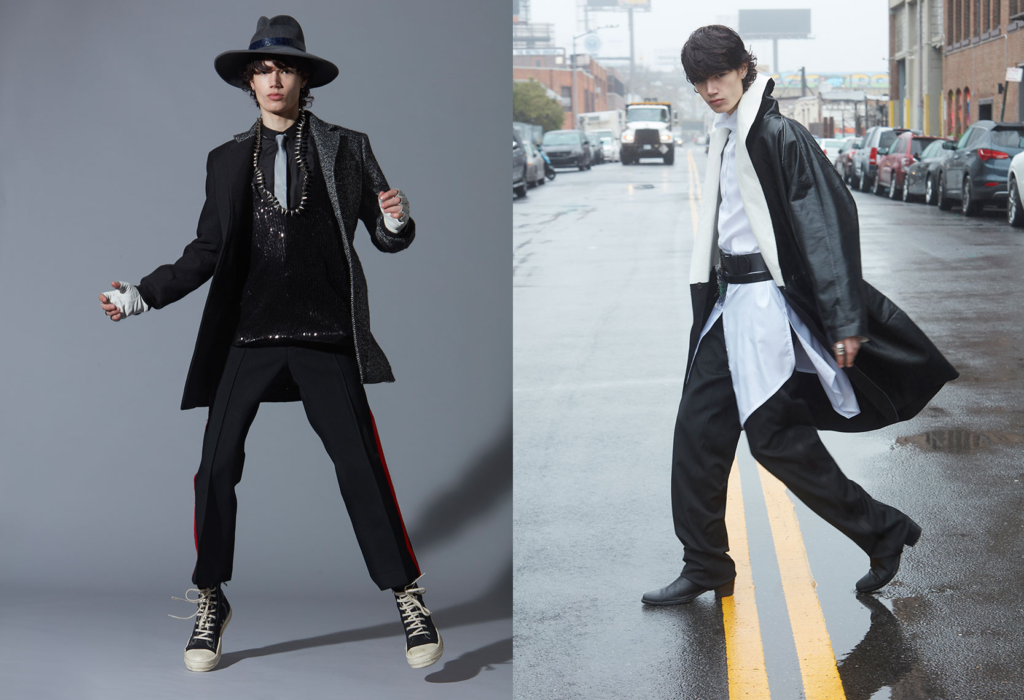
Modern men’s fashion isn’t defined by a specific look. It’s defined by intent. Every design choice answers a practical question: How will this be worn? Where does it fit into daily life?
Three qualities consistently define modern wardrobe staples.
Style That Feels Understated, Not Loud
Modern style favors restraint. Clean lines, neutral colors, and subtle textures dominate because they’re adaptable. A navy overshirt, a well-cut gray trouser, or a structured knit polo can work across settings without drawing attention for the wrong reasons.
This doesn’t mean bland. It means deliberate. The focus is on proportion, fit, and fabric rather than logos or novelty details.
Comfort Built Into the Design
Comfort is no longer treated as an afterthought. Stretch fibers, softer weaves, and ergonomic construction are now standard even in tailored garments. Waistbands flex. Jackets move with the shoulders. Shirts breathe better in warm offices and layered environments.
Importantly, comfort now looks intentional. Clothing is designed to feel good without looking casual or unfinished.
Function That Serves Real Life
Function shows up in details: wrinkle resistance for travel, moisture management for long days, pockets placed where they’re actually usable. Modern garments anticipate how men move through their day rather than forcing them to adapt.
The Fabric Revolution Behind the Shift
One of the biggest drivers of this alignment is material innovation. Advances in textile development have quietly transformed what men can expect from everyday clothing.
Performance blends—combining natural fibers like cotton or wool with elastane or technical synthetics—offer breathability, stretch, and durability. These fabrics maintain structure while allowing freedom of movement.
Merino wool, once reserved for suits and sweaters, now appears in lightweight knits, polos, and even casual trousers because of its temperature regulation and odor resistance. Similarly, modern twills and knits resist wrinkling and recover their shape after long wear.
These improvements matter because they reduce friction. When clothing works with the body instead of against it, men wear pieces more often—and with more confidence.

Fit: The Foundation That Makes Everything Work
No amount of innovation matters if clothing doesn’t fit properly. Fit remains the single most important factor in how modern men’s clothing performs.
The definition of “good fit” has also evolved. It’s no longer about being tight or oversized—it’s about balance.
Modern fit typically means:
- Clean lines through the shoulders and chest without restriction
- A natural taper that follows the body without clinging
- Room to move at key stress points like elbows, knees, and waist
Many men now invest in minor tailoring rather than replacing entire wardrobes. Adjusting sleeve length, pant hem, or waist fit often transforms an off-the-rack item into a reliable staple.
Fit also plays a psychological role. Clothing that fits well reduces self-consciousness. When men aren’t adjusting collars or tugging at waistbands, they carry themselves differently.
Building a Wardrobe That Adapts to Real Life
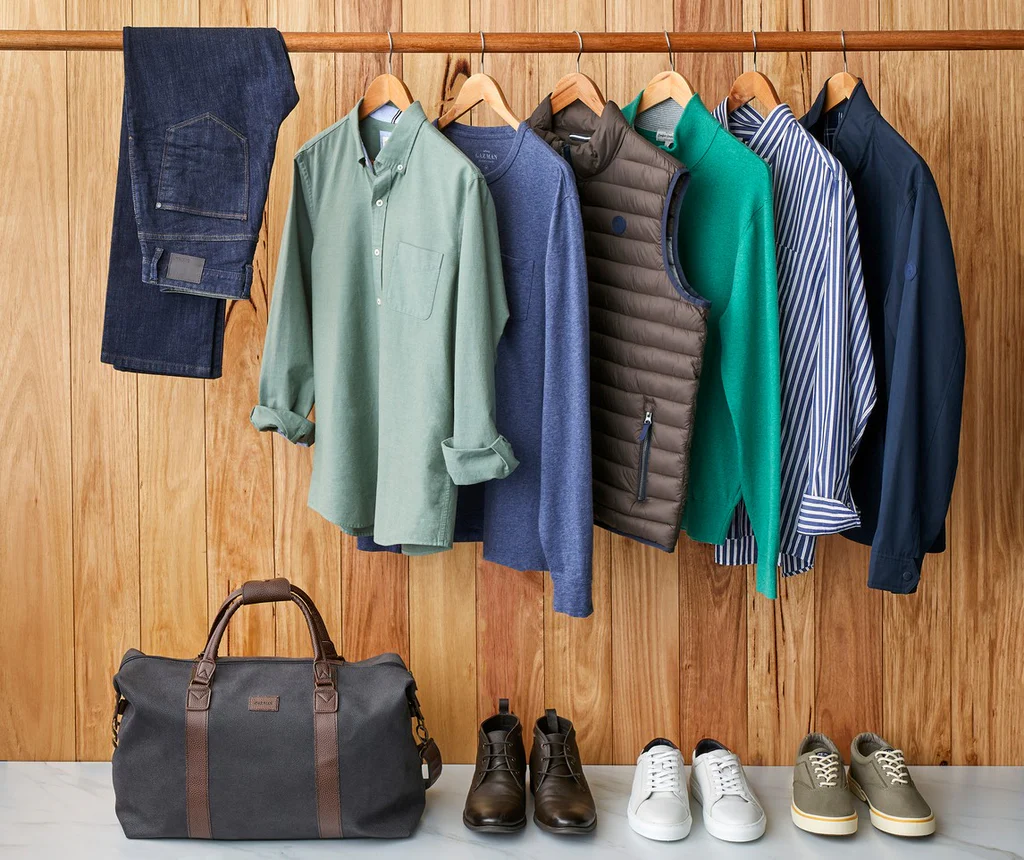
The modern wardrobe prioritizes versatility over volume. Instead of separate outfits for every scenario, men are choosing pieces that adapt.
Consider how one outfit might work across a day: a stretch chino, a structured knit shirt, and a lightweight jacket. This combination can handle meetings, commuting, errands, and casual dinners without feeling out of place.
Key categories doing the most work today include:
- Hybrid trousers that look tailored but wear like casual pants
- Unstructured jackets that replace traditional blazers
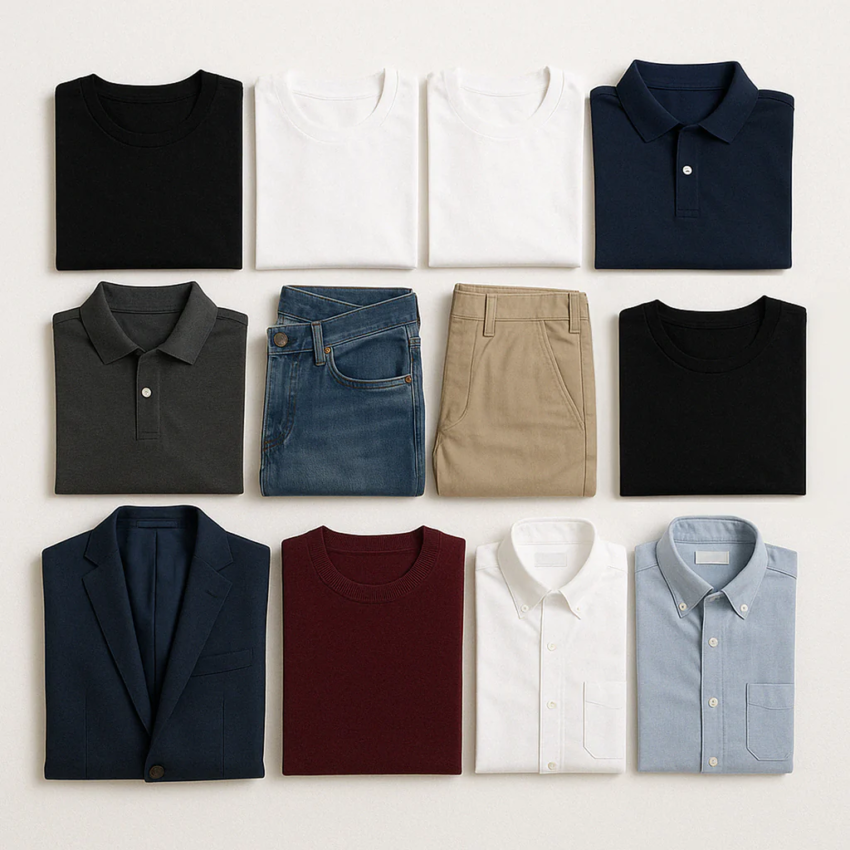
- Elevated basics like refined tees and polos
- Transitional outerwear that layers easily
This approach simplifies decision-making. Fewer items mean less mental effort getting dressed—and more consistent personal style.
How Comfort and Function Improve Confidence
Clothing affects how men show up. When garments fit well, feel comfortable, and perform as expected, they remove distractions.
Men often describe modern wardrobe upgrades not in terms of fashion, but relief. They stop worrying about wrinkles, stiffness, or overheating. They move more freely. They feel appropriate without feeling overdressed.
This matters in professional and social settings alike. Confidence built on comfort tends to look more natural than confidence built on appearance alone.
Common Questions Men Ask When Updating Their Wardrobe
Is modern men’s fashion less formal?
Not exactly. It’s more flexible. Formality now comes from fit, fabric, and coordination rather than strict dress codes.
Can comfortable clothing still look professional?
Yes. Many modern garments are specifically designed to maintain structure while offering stretch and breathability.
Do I need to replace my entire wardrobe?
No. Most men benefit from upgrading a few key pieces rather than starting over.
Are trends important anymore?
Trends matter less than personal consistency. Modern style prioritizes longevity over novelty.
How many outfits should a modern wardrobe include?
There’s no fixed number, but many men find that 20–30 well-chosen pieces cover most needs.
Is tailoring still relevant?
Absolutely. Even with better off-the-rack fits, tailoring enhances comfort and appearance.
Are performance fabrics durable?
When well-made, they often outlast traditional fabrics because they resist stretching, fading, and wear.
How do I balance casual and polished?
Focus on clean silhouettes and neutral colors. Casual doesn’t have to mean sloppy.
Does age change how men should dress?
Lifestyle matters more than age. The same principles apply across life stages.
Why This Alignment Is Likely Permanent
The convergence of style, comfort, and function isn’t a trend—it’s a correction. Men now expect clothing to support their lives, not complicate them.
Brands, designers, and retailers have responded because the demand is consistent. Once men experience clothing that works across settings and feels good all day, going back feels unnecessary.
This shift reflects broader cultural changes: flexibility, efficiency, and intentional living. The modern men’s wardrobe mirrors how men actually live today—dynamic, practical, and increasingly thoughtful.
Dressing for the Life You Actually Live
The most successful wardrobes aren’t aspirational. They’re realistic. They reflect daily routines, personal preferences, and real environments.
Modern men’s fashion works best when it stops trying to impress and starts trying to serve. When style, comfort, and function align, clothing becomes quieter—but more powerful. It supports confidence instead of demanding attention.
That alignment isn’t about doing more. It’s about choosing better.
Key Ideas to Carry Forward
- Modern men’s wardrobes prioritize versatility over volume
- Comfort is now built into professional-looking clothing
- Fit remains the foundation of effective style
- Functional details reduce daily friction
- Personal lifestyle matters more than trends