
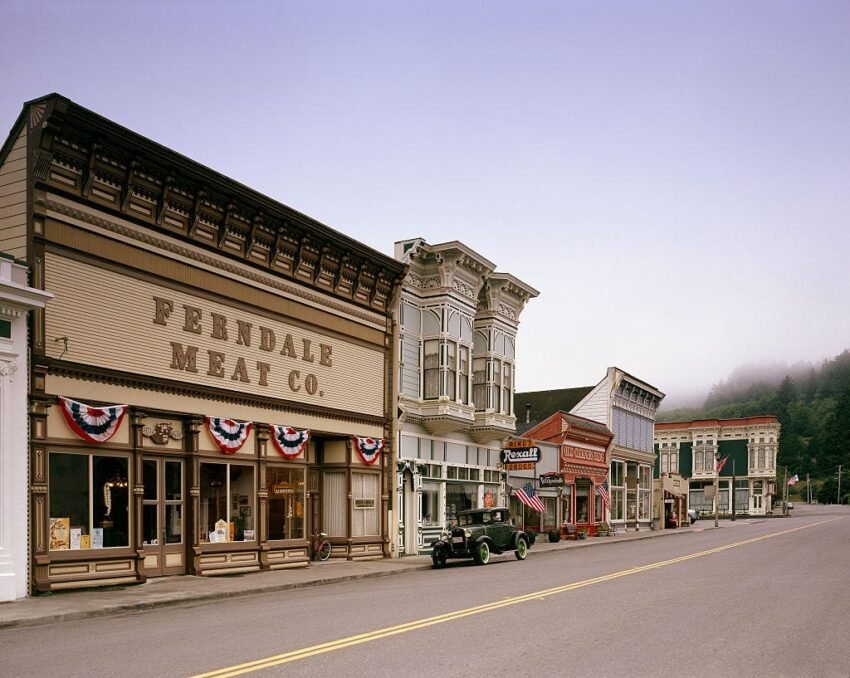
Small-town America is evolving. Beyond postcard charm, many towns now offer serious culinary scenes, preserved architecture, local arts ecosystems, and layered histories. This guide explores destinations that combine walkable main streets with cultural depth—plus practical planning advice on timing, budgeting, and how to identify towns that offer substance, not just scenery.
Interest in small-town travel has grown steadily over the past decade. According to the U.S. Travel Association, domestic leisure travel increasingly favors drivable destinations, particularly those within 300–500 miles of major metro areas. Travelers are looking for manageable scale, regional character, and experiences that feel rooted rather than curated.
But not every charming town offers cultural depth. Seasoned travelers know how to distinguish between places built around tourism and places shaped by history, arts, education, or industry.
This guide examines small towns across the United States that balance aesthetic appeal with substance—and explains how to evaluate similar destinations on your own.
What Makes a Small Town Worth Visiting?
Search queries like “best small towns in America,” “walkable small towns with culture,” and “underrated U.S. towns to visit” reflect a common goal: finding places that feel both accessible and meaningful.
Experienced travelers look for four indicators:
- A preserved historic district with active local businesses
- Independent restaurants and bookstores
- Museums, galleries, or performance spaces
- A clear regional identity (culinary, architectural, artistic, or historic)
Towns anchored by universities, historic industries, or arts communities often sustain year-round vibrancy beyond peak tourism.
Hudson, New York: A Post-Industrial Revival with Creative Depth
Located along the Hudson River, Hudson has transformed from a 19th-century industrial hub into a design-forward cultural town.
What distinguishes Hudson is not just its antique shops, but its adaptive reuse architecture and contemporary arts presence. Proximity to New York City brings weekend visitors, yet the town maintains a working community feel.
Visitors often ask: “Is Hudson just a weekend shopping stop?”
The answer depends on pacing. Beyond Warren Street boutiques, explore:
- Local galleries and artist studios
- Historic homes reflecting Federal and Victorian styles
- Riverfront walking trails
- Seasonal farmers markets
Best Time to Visit: Late spring and early fall
Ideal Stay: 2–3 days
Galena, Illinois: Architectural Preservation with Midwest Context
Galena offers one of the most intact 19th-century downtown districts in the Midwest. Once a major lead mining center, its economic slowdown preserved historic buildings that now house independent shops and restaurants.
Unlike towns built primarily for tourism, Galena retains historical context tied to regional industry and figures such as Ulysses S. Grant.
Travelers researching “historic small towns near Chicago” frequently discover Galena because of its accessibility—roughly a three-hour drive from Chicago.
For depth beyond Main Street:
- Visit the Ulysses S. Grant Home State Historic Site
- Explore local history museums
- Drive surrounding Driftless Area roads
Taos, New Mexico: Artistic Heritage and Indigenous Influence
Taos balances tourism with authentic cultural foundations.
The town’s significance stems from:
- The Taos Pueblo (a UNESCO World Heritage Site)
- The Taos Art Colony movement
- Adobe architecture and Spanish colonial history
Visitors asking “Is Taos worth visiting?” often underestimate its intellectual and artistic legacy.
Beyond the central plaza, consider:
- Local weaving and pottery studios
- The Taos Art Museum
- Scenic drives through northern New Mexico villages
Timing matters. Shoulder seasons—May and October—offer clearer access without peak summer visitation.
Beaufort, South Carolina: Coastal Beauty with Historical Layers
Beaufort combines Lowcountry architecture with Civil War and Reconstruction-era history.
Its appeal is not simply aesthetic. Beaufort’s Gullah Geechee cultural heritage connects to broader American narratives of resilience and preservation.
Common traveler question: “Is Beaufort less crowded than Charleston?”
Yes, generally. While Charleston sees heavy tourism, Beaufort offers similar coastal charm at a slower pace.
Key experiences include:
- Walking tours of historic homes
- Waterfront park strolls
- Local seafood restaurants emphasizing regional sourcing
Traverse City, Michigan: Agriculture Meets Freshwater Coastline
Traverse City illustrates how agriculture can shape a small-town identity.
Known for cherry production and wineries, it sits along Lake Michigan’s Grand Traverse Bay. Visitors researching “small lake towns with culture” often overlook the region’s culinary and film festival scene.
Cultural anchors include:
- Independent bookstores and art cinemas
- Regional wineries
- The annual National Cherry Festival
Travel in early summer or September to avoid peak July tourism.
Staunton, Virginia: A Theater Town with Historic Integrity
Staunton remains less discussed than larger Virginia destinations, yet its downtown is architecturally cohesive and highly walkable.
The presence of the American Shakespeare Center adds year-round performance programming, giving the town an intellectual atmosphere beyond seasonal visitors.
Located within reach of Shenandoah National Park, Staunton often works well as part of a broader regional trip.
How to Identify Small Towns with Substance
Travelers frequently search: “How do I know if a small town is worth visiting?”
Look for these practical signals:
- A year-round population above 5,000 (sustains local economy)
- Independent restaurants open midweek
- Public libraries or community arts centers
- Local newspapers or community event calendars
- Colleges or cultural institutions
Additionally, review state tourism data and regional economic reports to see whether growth reflects authentic revitalization rather than purely short-term tourism development.
Budget and Planning Considerations
Small-town travel can be cost-effective, but pricing varies by region.
Expect:
- Lower lodging costs than major cities
- Seasonal price spikes during festivals
- Limited public transportation
Travel midweek for lower rates and fewer crowds. Many towns are drivable within a 3–5 hour radius from larger metro areas, reducing airfare expenses.
Frequently Asked Questions
1. What are the best small towns to visit in the U.S.?
Options vary by region, but Hudson, Galena, Taos, Beaufort, Traverse City, and Staunton offer strong cultural depth.
2. How do I avoid tourist traps in small towns?
Look for towns with year-round populations and locally owned businesses.
3. Are small towns cheaper than cities?
Often yes, especially for lodging and dining.
4. How many days should I spend in a small town?
Two to three days allows meaningful exploration.
5. Are small towns walkable?
Many historic districts are designed for walkability.
6. When is the best time to visit?
Shoulder seasons typically offer better value and fewer crowds.
7. Are festivals worth planning around?
Yes, but book early to avoid inflated lodging prices.
8. How do I research local culture before visiting?
Review town websites, local newspapers, and community calendars.
9. Are small towns good for solo travel?
Yes, especially walkable historic districts.
10. How far in advance should I book?
1–3 months for peak seasons; less for off-season visits.
Rediscovering Scale and Substance
Small-town travel succeeds when scale meets depth. A well-preserved main street alone is not enough. The towns that endure—culturally and economically—are those rooted in history, education, art, agriculture, or regional identity.
Revisiting small-town America with intention means slowing down, engaging locally, and recognizing that cultural depth often reveals itself in quieter settings.
These towns are not alternatives to cities; they are complements—offering perspective on how regional narratives shape the broader American story.
Quick Cultural Compass
- Seek towns with preserved architecture and active institutions
- Visit midweek or shoulder seasons
- Prioritize locally owned businesses
- Research history before arrival
- Allow two to three days per destination
- Explore beyond the main street corridor
- Pair town visits with nearby natural attractions