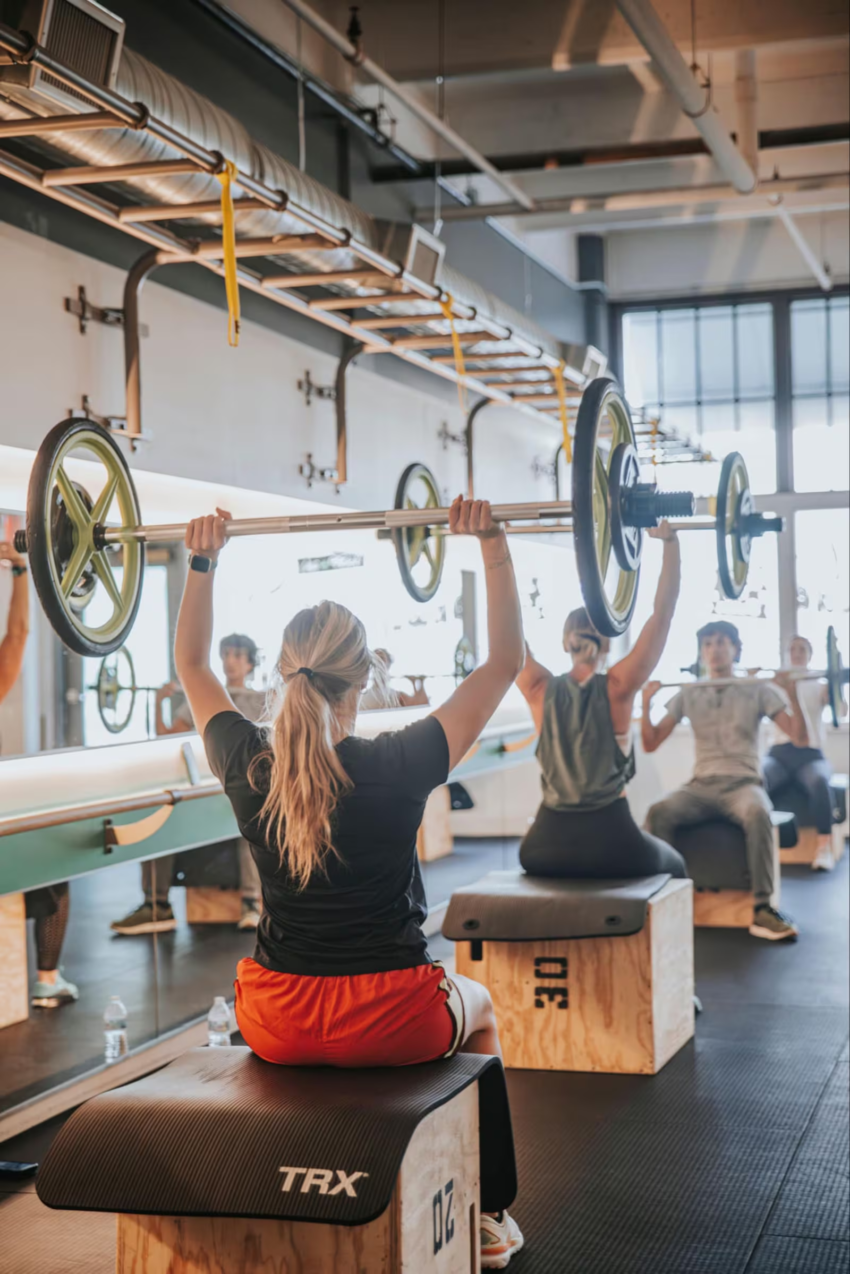
SummaryPhysical fitness offers benefits that go far beyond weight control or muscle tone. Research shows it influences brain health, immune resilience, sleep quality, emotional regulation, and long-term independence. This article explores the often-overlooked, science-backed ways regular movement improves daily life—especially for busy Americans balancing work, family, and health. Rethinking Physical Fitness in Modern American Life…

National Parks Beyond the Headliners: Underrated Landscapes Worth Exploring This Year
While marquee parks draw millions each year, many lesser-visited U.S. national parks offer equally compelling landscapes with fewer crowds and easier logistics. From remote desert basins to alpine island wilderness, these underrated parks provide meaningful access to nature without peak-season congestion. Here’s where to go, why visitation patterns are shifting, and how to plan wisely….
How Age, Routine, and Recovery Are Redefining Physical Fitness
SummaryPhysical fitness is no longer defined by intensity alone. Across the U.S., age, daily routines, and recovery habits are reshaping how people train, move, and stay healthy. This article explores how modern fitness adapts to real lives—balancing longevity, consistency, and recovery to support strength, energy, and resilience at every stage of adulthood. A New Definition…
The Rise of “Quiet Travel”: Why More Americans Are Choosing Slower, Less-Crowded Destinations
“Quiet travel” reflects a growing shift among Americans toward slower, less-crowded destinations that prioritize space, nature, and meaningful experiences over packed itineraries. Driven by overtourism, remote work flexibility, rising costs, and mental health awareness, travelers are choosing national park alternatives, small towns, and shoulder-season trips. Here’s why the trend is accelerating—and how to plan a…
Rethinking Physical Fitness: Small Movements, Real Results
Summary Physical fitness doesn’t require extreme workouts or perfect routines. This article explores how small, consistent movements—walking, stretching, light strength, and daily activity—deliver measurable health benefits for Americans with busy lives. Backed by research and real-world examples, it explains how fitness works when it fits into everyday routines. Why the Traditional Fitness Model Is Losing…
Where Americans Are Traveling in 2026—and What’s Influencing Their Choices
In 2026, American travel patterns reflect shifting priorities: flexibility, affordability, sustainability, and meaningful experiences. Domestic destinations remain strong, secondary cities are gaining ground, and international travel has rebounded with more intentional planning. Economic conditions, remote work, climate concerns, and crowd avoidance are influencing decisions. Here’s where Americans are going—and the practical factors shaping those choices….
The Role of Physical Fitness in Stress Management and Daily Energy
Summary Physical fitness plays a measurable role in how Americans manage stress and sustain daily energy. Regular movement supports nervous system regulation, improves sleep quality, stabilizes mood, and reduces fatigue. This article explains how exercise influences stress physiology, why consistency matters more than intensity, and how realistic fitness habits fit into modern American life. Why…
Rethinking the Road Trip: Scenic Routes That Deserve a Second Look
American road trips are evolving. Instead of racing toward marquee national parks or crowded coastal highways, travelers are rediscovering scenic byways, regional routes, and historic corridors that offer equally compelling landscapes with fewer crowds and lower costs. This guide highlights overlooked drives across the United States and explains how to plan smarter, slower, and more…
How Physical Fitness Is Evolving With Modern Work and Home Lifestyles
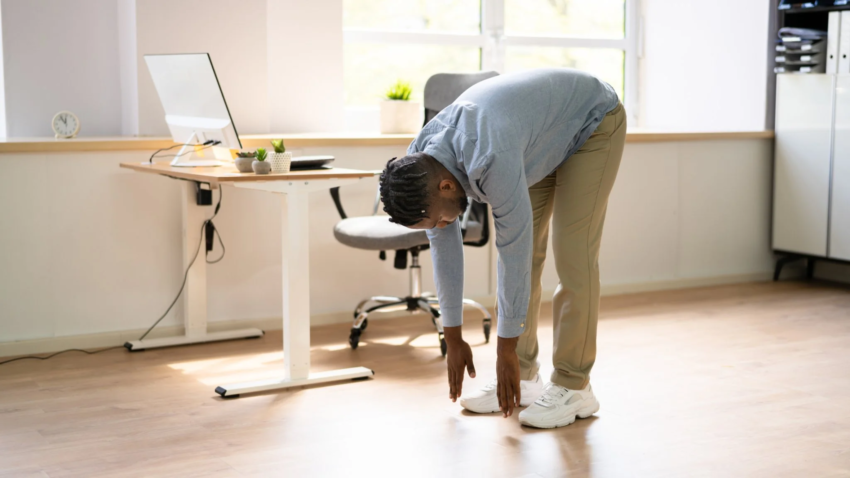
Summary Physical fitness in the U.S. is shifting away from gym-centric routines toward flexible, lifestyle-integrated movement shaped by remote work, home environments, and changing schedules. This article explores how Americans are adapting exercise habits, redefining consistency, using evidence-based strategies, and building sustainable fitness practices that fit modern work and home life. Physical fitness in America…
Why Consistency Matters More Than Intensity in Physical Fitness
Summary Consistency, not intensity, is the most reliable driver of long-term physical fitness. Sustainable routines support habit formation, reduce injury risk, and deliver compounding health benefits over time. This article explains why steady effort outperforms sporadic high-intensity workouts, how consistency fits real American lifestyles, and how to build a fitness approach that lasts. Introduction: The…