
Summary
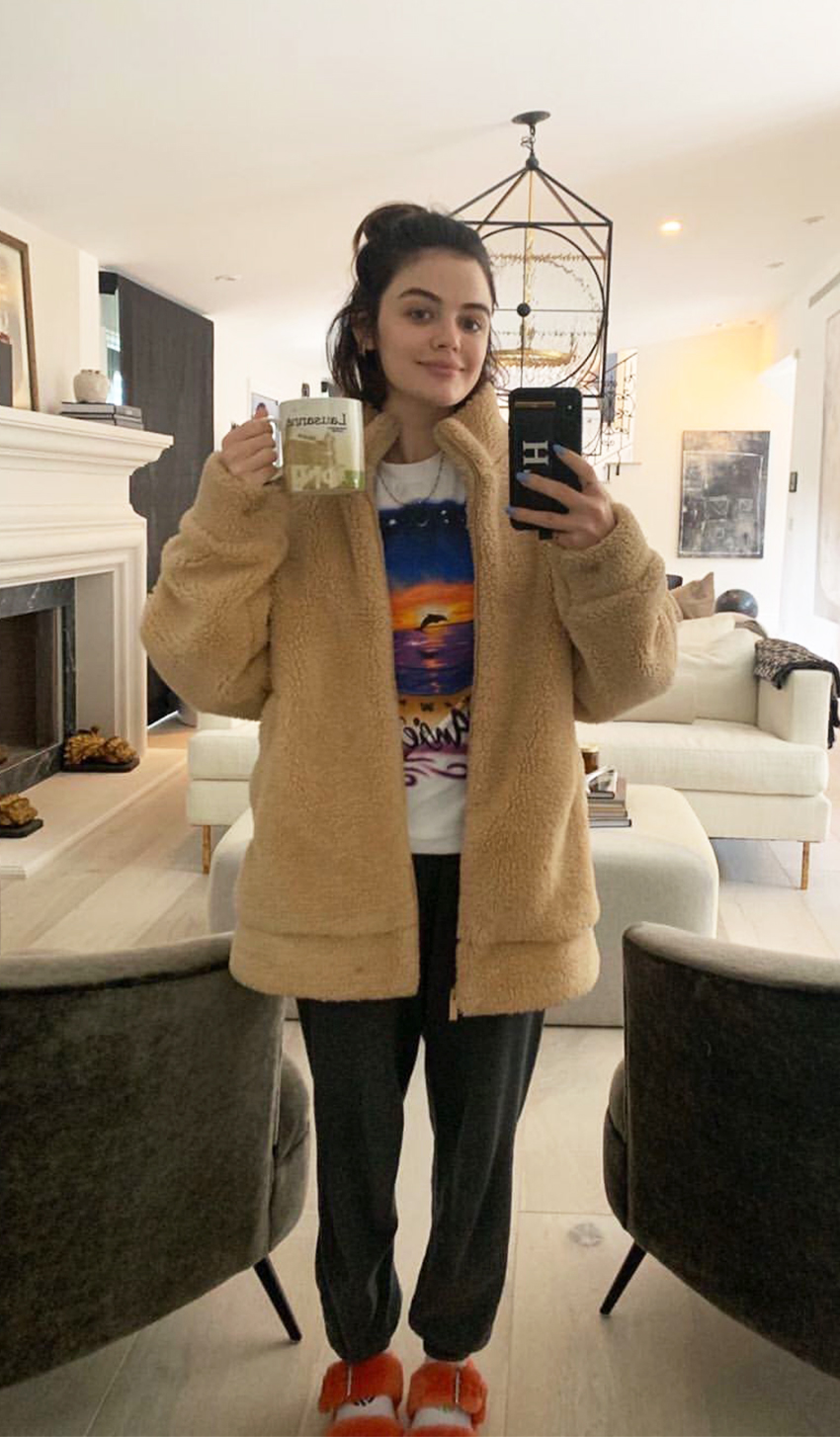
Celebrities today operate in a radically different visibility landscape, where social platforms sit alongside film, television, and print media. This article explores how public figures adapt to constant digital exposure, balance authenticity with strategy, manage reputational risk, and build long-term relevance across feeds, screens, and platforms shaping modern American culture.
Introduction: Visibility Is No Longer Occasional
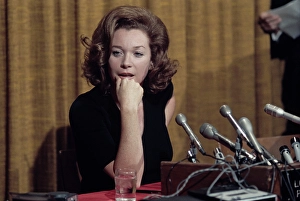
For much of the 20th century, celebrity visibility was episodic. Audiences encountered actors during movie releases, musicians during album cycles, and athletes during games or press conferences. Publicity was controlled, mediated, and largely predictable.
That model no longer exists. In the US media environment today, celebrities are visible daily, sometimes hourly, across Instagram, TikTok, YouTube, X, podcasts, livestreams, and brand platforms. Visibility has shifted from event-based to continuous, and adaptation is no longer optional. How celebrities manage this shift has become a defining factor in their relevance, credibility, and earning power.
This evolution affects not only how celebrities communicate but also how audiences evaluate trust, authenticity, and cultural influence.
The Shift From Gatekeepers to Direct Access
Historically, studios, record labels, publicists, and journalists acted as gatekeepers. Interviews were negotiated, photos curated, and narratives shaped through traditional media outlets. Today, celebrities speak directly to millions without intermediaries.
This direct access creates both opportunity and pressure. On one hand, celebrities can bypass misrepresentation and connect personally with fans. On the other, every post becomes a public statement subject to instant feedback, screenshots, and algorithmic amplification.
In the US, where social media penetration exceeds 70% of adults according to Pew Research Center, audiences expect immediacy. Silence can be interpreted as avoidance. Overexposure can dilute mystique. The balance is delicate and increasingly strategic.
Why Social Feeds Matter as Much as Film Credits
For many celebrities, social platforms are no longer promotional side channels; they are primary visibility engines. Casting directors, brand partners, and media outlets routinely evaluate digital presence alongside traditional credentials.
This matters because visibility now influences opportunity in tangible ways:
- Brand deals increasingly depend on audience engagement, not fame alone
- Studios assess online sentiment when managing press cycles
- Media narratives often originate from a single viral post
In practical terms, a celebrity’s feed functions as a living portfolio. It communicates values, tone, consistency, and cultural awareness in ways no résumé or press kit can.
Authenticity as a Performance, Not a Confession
American audiences frequently say they value “authentic” celebrities. However, authenticity in digital spaces does not mean unfiltered access to private life. It means coherence between public persona, messaging, and behavior.
Successful celebrities tend to:
- Share selectively, not exhaustively
- Maintain a consistent voice across platforms
- Acknowledge mistakes without over-explaining
- Avoid abrupt shifts in tone that feel opportunistic
This form of authenticity is intentional. It recognizes that visibility is performative but insists the performance aligns with reality. When celebrities violate this expectation—by appearing disingenuous, exploitative, or reactive—audience trust erodes quickly.
The Rise of Platform-Specific Personas
One of the most underappreciated adaptations is how celebrities tailor their visibility to each platform. American audiences subconsciously understand these differences, and celebrities who ignore them often struggle with engagement.
Examples of platform alignment include:
- Instagram for polished visuals and controlled storytelling
- TikTok for humor, behind-the-scenes content, and trend participation
- YouTube for long-form explanations or personal projects
- Podcasts for credibility, nuance, and depth
Rather than duplicating content everywhere, experienced celebrities treat platforms as different rooms in the same house. Each space has its own tone, audience expectations, and risk profile.
Managing Risk in a Permanent Visibility Environment
Visibility today is permanent. Old posts resurface. Clips circulate without context. A momentary lapse can dominate news cycles for weeks.
As a result, celebrities increasingly work with digital risk advisors, reputation analysts, and platform strategists. These teams monitor sentiment, anticipate backlash, and recommend when not to post—often the hardest discipline to maintain.
From an experience-based perspective, celebrities who weather crises most effectively tend to:
- Respond promptly but not impulsively
- Address core concerns without defensive framing
- Avoid over-saturation during controversy
- Let actions follow statements
In the US, where media polarization can intensify reactions, restraint often proves more effective than performative apologies.
Data Signals: What the Numbers Reveal
Several data points illustrate how visibility shapes celebrity influence:
- Nielsen reports that celebrities with consistent digital engagement drive higher brand recall than those with sporadic viral spikes
- Morning Consult’s research shows that trust ratings for public figures decline faster after perceived inauthentic behavior than after silence
- YouTube analytics consistently demonstrate that long-form, explanatory content outperforms promotional clips for sustained audience growth
These findings reinforce a key reality: visibility is not about volume alone. It is about signal quality—clarity, consistency, and credibility over time.
When Feeds Influence Film Careers
The relationship between traditional media and digital visibility now works both ways. Social success can lead to film opportunities, while film roles can struggle without digital resonance.
Casting decisions increasingly factor in:
- Audience alignment with character demographics
- Online reputation stability
- Ability to support promotional cycles digitally
This does not mean talent has become secondary. It means visibility has become part of professional competence. In a crowded entertainment economy, being discoverable, relatable, and trusted matters.
The Emotional Labor of Being Seen
Constant visibility carries emotional costs. Many celebrities speak privately about burnout, anxiety, and identity fragmentation caused by maintaining multiple public personas.
While some choose strategic withdrawal, others renegotiate visibility by:
- Reducing platform count
- Posting on defined schedules
- Delegating community management
- Setting clear boundaries around family and health
These adjustments reflect maturity, not disengagement. American audiences increasingly respect celebrities who articulate limits clearly rather than disappearing without explanation.
What This Shift Means for Audiences
The evolution of celebrity visibility also reshapes audience responsibility. Direct access can create the illusion of intimacy, but celebrities remain professionals operating within complex systems.
Understanding this helps audiences:
- Interpret posts as curated communication, not confession
- Distinguish presence from availability
- Engage critically rather than reactively
As feeds replace red carpets, media literacy becomes essential on both sides of the screen.
FAQs: What Americans Commonly Ask
Why do celebrities post so frequently now?
Because platforms reward consistency, and silence can reduce relevance in algorithm-driven environments.
Do celebrities control their own social media accounts?
Some do entirely; many collaborate with teams for strategy, editing, and monitoring.
Is social media more important than traditional publicity?
It is complementary, but in many cases equally influential.
Why do celebrity controversies escalate so fast online?
Because algorithms amplify engagement, especially emotional reactions.
Do brands value follower count or engagement more?
Engagement and audience trust increasingly matter more than raw numbers.
Why do some celebrities suddenly leave social media?
Often due to burnout, reputational risk, or strategic repositioning.
Can social media hurt a celebrity’s career?
Yes, especially when posts conflict with public expectations or values.
Are younger celebrities better at digital visibility?
They are often more fluent, but experience matters more than age.
Is authenticity really possible online?
Yes, when messaging aligns with behavior over time.
A New Kind of Spotlight
Celebrity visibility in America has shifted from spotlight moments to sustained illumination. Success now depends less on avoiding exposure and more on managing it with discipline, clarity, and respect for audience intelligence. As feeds continue to reshape fame, the most resilient celebrities are not the loudest—but the most intentional.
Key Signals Worth Remembering
- Visibility is continuous, not episodic
- Authenticity is strategic alignment, not oversharing
- Platform fluency affects professional opportunity
- Restraint often builds more trust than reaction
- Audience expectations evolve alongside technology