
Summary
Enduring video game characters succeed because they combine strong narrative identity, intuitive design, emotional resonance, and cultural relevance. Players form long-term attachments when characters feel consistent yet adaptable, reflect real human values, and evolve alongside technology and audience expectations. This article explores why some characters remain beloved across generations while others fade quickly.
Introduction: Why Character Longevity Matters in Games
In an industry driven by rapid technological change, only a small number of video game characters manage to remain relevant for decades. Hardware evolves, graphics improve, and player demographics shift—but certain characters continue to resonate with new audiences while retaining longtime fans. This staying power is not accidental. It reflects deliberate creative choices, thoughtful storytelling, and a deep understanding of player psychology.
Players don’t simply remember these characters; they identify with them. Whether through nostalgia, emotional connection, or cultural symbolism, enduring video game characters occupy a space similar to iconic film or literary figures. Understanding what makes them last offers insight not only into game design, but into how modern audiences form emotional bonds with fictional personalities.
A Clear, Instantly Understandable Identity
One of the strongest predictors of longevity is clarity. Enduring characters are easy to recognize, easy to describe, and easy to understand within seconds of meeting them. Their visual design, personality traits, and role in the game world align seamlessly.
Take Mario. His design communicates optimism, approachability, and physical agility immediately. His visual silhouette is unmistakable even in low-resolution formats, which has allowed him to transition across generations of hardware without losing recognizability.
Strong identity also extends beyond visuals. Players understand what a character stands for and how they are likely to behave. This consistency builds trust, allowing players to emotionally invest without confusion or fatigue.
Emotional Accessibility Without Complexity Overload
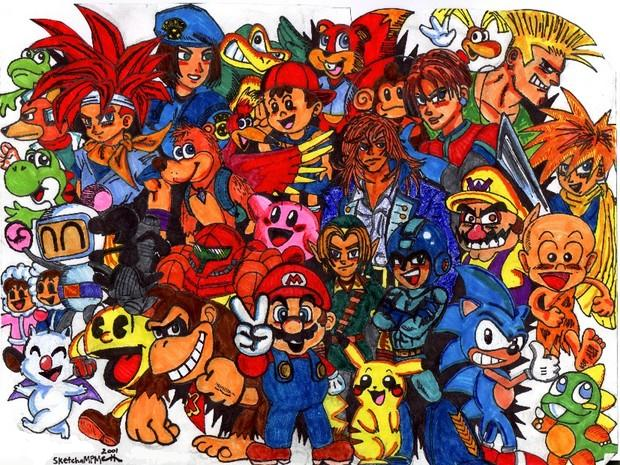
Players gravitate toward characters who feel emotionally accessible, even if their stories are layered. Characters that require extensive lore knowledge to appreciate often struggle to build mass appeal. In contrast, enduring favorites provide emotional entry points early, then reward deeper engagement over time.
Link is a strong example. Often silent, Link allows players to project their own emotions and motivations onto him. This design choice lowers barriers to emotional connection while still supporting rich storytelling.
Research in game studies consistently shows that player identification increases when characters allow space for interpretation rather than dictating emotional responses outright.
Consistency Across Titles—With Room to Evolve
Longevity does not mean stagnation. Characters that endure maintain a stable core identity while adapting to new storytelling techniques, visual styles, and cultural norms.
Consider **Lara Croft.
For example, Master Chief embodies control, precision, and restraint. His movement speed, weapon handling, and tactical pacing reinforce his disciplined, professional demeanor. Players don’t just watch his story—they inhabit it through mechanics.
This alignment between narrative and gameplay deepens immersion and strengthens memory retention, making the character more likely to remain meaningful long after the game ends.
Relatability Anchored in Universal Human Themes
While video game characters often exist in fantastical settings, the most enduring ones reflect universal human concerns: identity, loss, growth, responsibility, and belonging.
Kratos evolved from a symbol of rage into a meditation on fatherhood and regret. This shift allowed longtime players to age alongside the character, transforming emotional connection into something more mature and reflective.
Characters grounded in human themes transcend genre boundaries and appeal to players who might otherwise disengage from fantasy or science fiction settings.
Cultural Timing and Generational Alignment
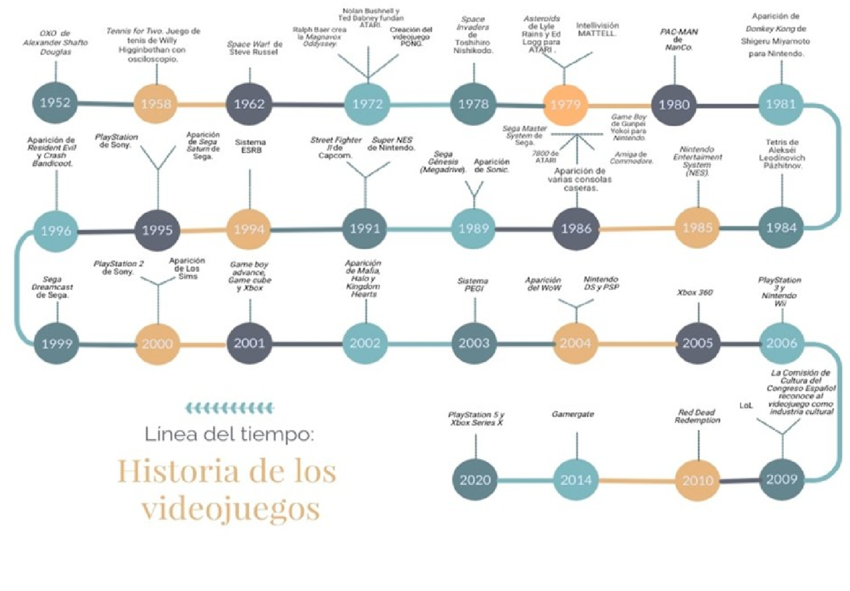
Some characters endure because they emerge at the right cultural moment and adapt as culture changes. Early exposure during formative years creates nostalgia, but continued relevance requires responsiveness to new audiences.
Data from the Entertainment Software Association consistently shows that the average age of U.S. gamers is increasing, while younger players still enter the market in large numbers. Characters that bridge generational gaps—by appealing to both nostalgia and modern sensibilities—benefit from wider cultural longevity.
Franchises that respect their legacy while embracing inclusivity, emotional nuance, and modern storytelling norms tend to retain multi-decade relevance.
Supporting Cast and Worldbuilding Matter More Than Fans Realize
Iconic characters rarely thrive in isolation. Strong supporting casts and believable worlds reinforce their importance and create emotional contrast.
Geralt of Rivia is compelling partly because of the morally complex world he inhabits. The choices he faces, the relationships he builds, and the consequences he endures all contribute to his lasting appeal.
A well-developed world gives characters room to grow, fail, and adapt—qualities that feel human and relatable to players.
Community Engagement and Player Ownership
Long-lasting characters benefit from active communities. Fan art, cosplay, discussion forums, and modding communities keep characters alive between releases. Developers who respect these communities—without overexploiting them—strengthen loyalty.
Modern players expect dialogue, not dictation. When studios listen to feedback and adjust respectfully, characters feel co-owned rather than imposed.
Why Some Characters Fade Despite Initial Popularity
Many characters fail not because they are poorly designed, but because they lack adaptability. Overreliance on trends, shallow characterization, or inconsistent storytelling often leads to short-lived relevance.
Characters created solely to showcase technology or capitalize on cultural moments may attract attention briefly but struggle to maintain emotional significance once novelty fades.

Frequently Asked Questions
Why do players form emotional attachments to video game characters?
Because interactive experiences allow players to participate in a character’s journey rather than passively observe it.
Can silent protagonists still be compelling?
Yes. Silence can encourage player projection and emotional flexibility.
Does nostalgia play a bigger role than writing quality?
Nostalgia helps, but strong writing and design are necessary for long-term relevance.
Are modern characters less likely to endure?
Not necessarily. Many are designed with longevity in mind, though time will ultimately decide.
Do graphics matter more than personality?
Personality consistently outlasts graphical fidelity.
Can villains become enduring favorites?
Yes, when they are complex, consistent, and thematically meaningful.
How important is voice acting to character longevity?
It can enhance connection, but it is not essential if other elements are strong.
Do multiplayer games create lasting characters?
They can, especially when characters reflect diverse play styles and identities.
Is player choice essential to character attachment?
Choice strengthens attachment, but strong linear storytelling can be equally effective.
Why These Characters Stay With Us
Enduring video game characters are not defined by novelty or spectacle. They last because they reflect human experiences, respect player intelligence, and evolve thoughtfully. Their longevity is the result of careful design, emotional honesty, and cultural awareness—qualities that resonate long after consoles change.
Key Insights at a Glance
- Strong identity builds immediate trust
- Emotional accessibility encourages long-term attachment
- Gameplay must reinforce personality
- Cultural adaptability sustains relevance
- Community engagement extends lifespan