
Summary
As economic pressure, digital overload, and burnout reshape daily life, more Americans are choosing simplicity as a practical lifestyle strategy. This shift isn’t about deprivation—it’s about clarity, control, and resilience. From finances and housing to schedules and technology use, simplicity is increasingly seen as a deliberate response to modern complexity.
A Quiet Shift in How Americans Define “Enough”
For decades, the American lifestyle narrative emphasized growth—bigger homes, fuller calendars, constant connectivity. Today, that narrative is changing. Across age groups and income levels, many Americans are intentionally simplifying their lives, not as a trend, but as a grounded response to stress, financial pressure, and diminishing returns from constant consumption.
This shift isn’t rooted in nostalgia or minimalism-as-aesthetic. It’s driven by lived experience. Rising housing costs, volatile job markets, information overload, and growing awareness of mental health have led people to ask a more pragmatic question: What actually improves daily life?
Simplicity, for many, has become a way to regain agency.
Why Simplicity Is Gaining Traction Now
Several forces are converging to make simplicity feel less like a luxury and more like a necessity.
Economic pressure plays a central role. According to the U.S. Bureau of Labor Statistics, inflation-adjusted wages have struggled to keep pace with housing, healthcare, and education costs over the past decade. Simplifying spending, downsizing expectations, and reducing fixed expenses are rational responses—not lifestyle statements.
At the same time, digital saturation has changed how Americans experience time. Constant notifications, algorithm-driven content, and remote work have blurred boundaries between professional and personal life. Research from the American Psychological Association consistently links information overload to stress and reduced focus.
Simplicity offers relief by narrowing choices and reducing cognitive load.
What “Simple Living” Actually Looks Like in America
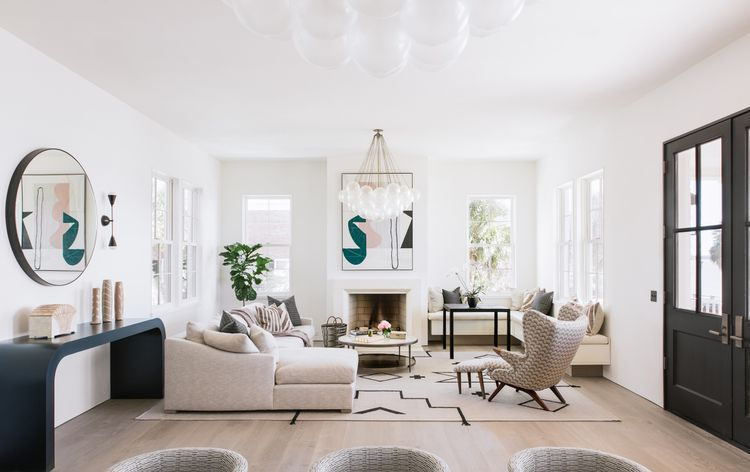
Simplicity is not one-size-fits-all. In practice, it often appears incremental and personal rather than dramatic.
For some households, it means fewer subscriptions and more intentional spending. For others, it’s choosing flexible work over higher pay, or prioritizing walkable neighborhoods over square footage.
Common expressions of simplicity include:
- Reducing discretionary spending in favor of savings and stability
- Setting firmer boundaries around work and screen time
- Choosing smaller homes or relocating to lower-cost regions
- Owning fewer but higher-quality possessions
- Designing routines that protect rest and focus
Importantly, these choices are often framed around function, not identity.
Financial Simplicity as a Form of Security
Money is one of the strongest drivers behind this lifestyle shift. Simpler financial structures—fewer accounts, less debt, predictable expenses—translate directly into reduced anxiety.
Many Americans are moving away from complexity-heavy financial strategies toward clarity and resilience. Emergency funds, automatic savings, and conservative budgeting are regaining relevance, especially among millennials who entered adulthood during economic instability.
This isn’t about rejecting ambition. It’s about reducing exposure to risk and regaining predictability in everyday life.
The Role of Housing and Space
Housing decisions often reflect deeper values around simplicity. The post-pandemic reevaluation of space has led many Americans to question whether larger homes truly enhance well-being.
Smaller or more efficiently designed living spaces can:
- Lower monthly expenses
- Reduce maintenance demands
- Encourage intentional organization
- Improve proximity to work, services, and community
Architects and urban planners increasingly note a growing preference for functionality over scale, particularly in urban and suburban markets.

Technology: Using Less Without Disconnecting Entirely
Digital simplicity doesn’t mean abandoning technology. It means reshaping the relationship with it.
Many Americans are adopting practices such as:
- Turning off non-essential notifications
- Limiting social media to specific times
- Using single-purpose devices where possible
- Separating work and personal digital spaces
These changes are often small, but their cumulative impact on attention and stress is significant.
Simplicity and Mental Well-Being
The psychological appeal of simplicity lies in predictability and control. Studies published in journals like Psychological Science suggest that excessive choice can increase dissatisfaction and decision fatigue.
By narrowing options and routines, people conserve mental energy for what matters most—relationships, health, and meaningful work.
Therapists increasingly encourage clients to simplify commitments, environments, and expectations as part of stress management strategies.
Is Simplicity a Privilege—or a Practical Tool?
A common critique is that simplicity is only accessible to those with financial flexibility. While some forms of simplicity do require resources, many are cost-reducing rather than cost-intensive.
Examples include:
- Cooking more meals at home
- Reducing transportation expenses
- Decluttering to avoid duplicate purchases
- Prioritizing public spaces over paid entertainment
For many households, simplicity emerges because resources are limited, not despite them.
How Simplicity Affects Families and Communities
Simpler lifestyles often ripple outward. Families report more shared time, clearer routines, and fewer scheduling conflicts. Communities benefit when residents engage locally rather than constantly commuting or consuming individually.
At a broader level, simplicity aligns with sustainability goals, though many Americans adopt it for personal reasons first. Environmental benefits tend to follow naturally.

Questions Americans Commonly Ask About Simple Living
Is simple living the same as minimalism?
No. Minimalism focuses on reducing possessions, while simplicity prioritizes reducing friction and complexity across life domains.
Do you have to earn less to live simply?
Not necessarily. Many people simplify how they earn and spend, not how much they earn.
Does simplicity mean giving things up?
Often it means replacing quantity with quality or choosing convenience less often in favor of intention.
Is this lifestyle realistic for families with children?
Yes. Many families adopt simplicity to reduce overscheduling and improve daily rhythm.
How long does it take to feel benefits?
Some benefits—like reduced stress—appear quickly; others emerge gradually as systems stabilize.
Can simplicity coexist with ambition?
Absolutely. Many high-achievers use simplicity to protect focus and energy.
Is this trend temporary?
Current indicators suggest it’s structural, driven by long-term economic and technological shifts.
Where should someone start?
Most begin with finances, schedules, or digital habits—areas with immediate feedback.
Choosing Less, Living Better: A Cultural Recalibration
Simplicity is becoming a serious lifestyle choice because it addresses real constraints facing American households. It offers a way to live deliberately within limits, rather than constantly pushing against them.
This isn’t about opting out of modern life. It’s about shaping it with intention, clarity, and sustainability—values that are increasingly practical, not ideological.
What This Shift Signals Going Forward
- Americans are prioritizing stability over status
- Lifestyle success is being redefined in functional terms
- Simplicity is emerging as a resilience strategy