
Summary
Portion awareness is re-emerging as a cornerstone of modern nutrition advice as Americans navigate larger serving sizes, constant food availability, and conflicting diet messages. Rather than promoting restriction, experts now emphasize portion literacy—helping people understand how much they eat, why it matters, and how to build sustainable, realistic eating habits that support long-term health.
The Quiet Nutrition Shift Few People Are Talking About
For years, nutrition conversations in the United States were dominated by ingredients—fat versus carbs, sugar avoidance, protein targets, and superfoods. While food quality still matters, a quieter shift has been happening in clinical practice, public health guidance, and dietitian counseling: portion awareness is back at the center of nutrition advice.
This change is not about eating less at all costs. It reflects a growing recognition that how much we eat often has as much impact on health outcomes as what we eat. In a food environment defined by abundance, value sizing, and distraction, portion awareness has become a practical skill—not a dieting tactic.
How Portion Sizes Drifted Out of View
Portion confusion didn’t happen overnight. Over the last four decades, portion sizes in restaurants, packaged foods, and even home kitchens have steadily increased.
Research published in the American Journal of Public Health shows that portion sizes for common foods like burgers, fries, soda, and baked goods have expanded significantly since the 1980s. At the same time, calorie needs for most adults have not changed.
Several factors contributed to this shift:
- Restaurant meals became normalized as everyday eating
- “Value meals” rewarded larger quantities
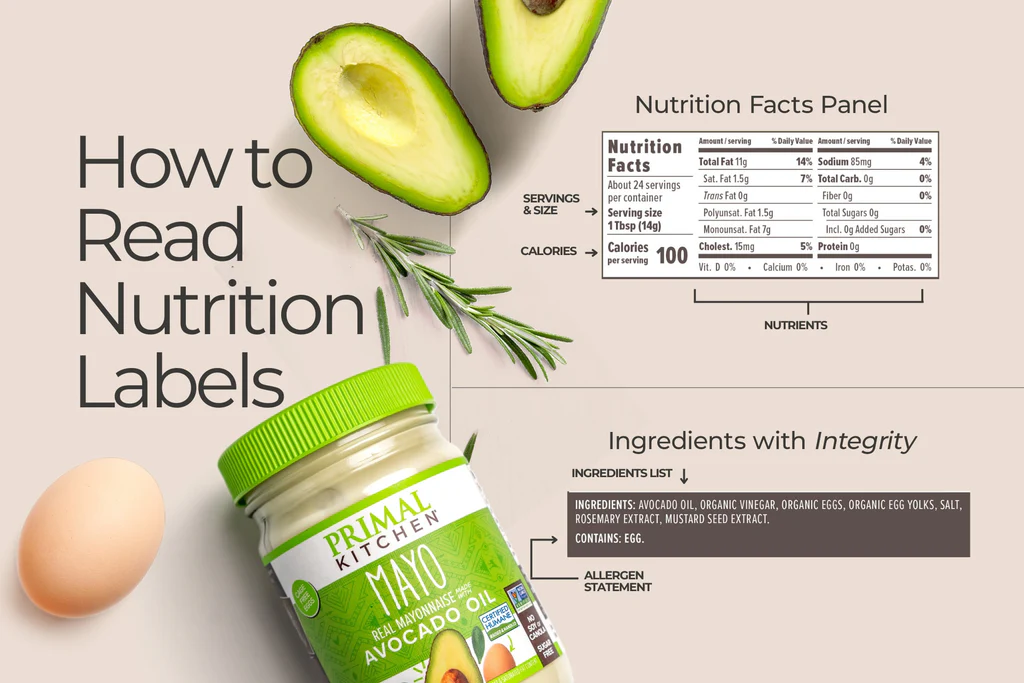
- Packaging blurred the line between one serving and several
- Diet culture discouraged paying attention to hunger cues
As a result, many Americans lost touch with what appropriate portions actually look like—not because of personal failure, but because the environment quietly redefined “normal.”
Why Nutrition Experts Are Re-centering Portion Awareness
Registered dietitians and public health professionals are revisiting portion awareness because it solves real-world problems that macro counting and food rules often don’t.
Portion awareness helps people:
- Eat a wider variety of foods without guilt
- Reduce unintentional overeating
- Improve blood sugar and energy stability
- Maintain weight without chronic restriction
- Reconnect with hunger and fullness cues
Importantly, this approach works across dietary patterns. Whether someone eats Mediterranean, plant-forward, low-carb, or omnivorous meals, portions influence total intake more consistently than any single nutrient.
According to CDC data, nearly 42% of U.S. adults live with obesity, increasing risk for type 2 diabetes, heart disease, and joint issues. Portion literacy offers a behavior-focused solution that doesn’t rely on rigid food elimination.
Portion Awareness vs. Portion Control: Why the Language Matters
One reason portion advice fell out of favor is the term “portion control,” which many associate with dieting, deprivation, or moral judgment around food.
Today’s nutrition professionals prefer portion awareness, which emphasizes understanding rather than restriction.
Portion awareness focuses on:
- Recognizing standard serving sizes
- Noticing hunger, fullness, and satisfaction
- Adjusting portions based on activity, age, and goals
- Eating attentively instead of automatically
This distinction matters. Research in Appetite journal shows that mindful eating strategies—including portion awareness—are associated with better weight regulation and lower binge-eating tendencies than strict control-based approaches.
What Portion Awareness Looks Like in Everyday American Life
Portion awareness is most effective when it fits into real routines, not idealized eating plans.
Consider these common scenarios:
A working professional eats lunch at a fast-casual restaurant. Instead of finishing everything automatically, they pause halfway, assess hunger, and save the rest for later.
A parent serves dinner family-style. Instead of pre-plating large portions, everyone serves themselves and can go back for more if needed.
Someone snacks while watching TV. They portion snacks into a bowl rather than eating from the bag, making intake visible without restriction.
None of these require calorie counting. They require noticing.

Why “Healthy Foods” Can Still Be Overeaten
One misconception that portion awareness corrects is the idea that healthy foods don’t need limits.
Foods like nuts, avocado, olive oil, granola, and smoothies are nutrient-dense—but also calorie-dense. Over time, large portions can unintentionally push intake beyond energy needs.
Dietitians often see clients who eat “clean” diets but struggle with weight or blood sugar because portions quietly grew. Portion awareness brings balance back without demonizing nutritious foods.
The Role of Visual Cues and Plate Design
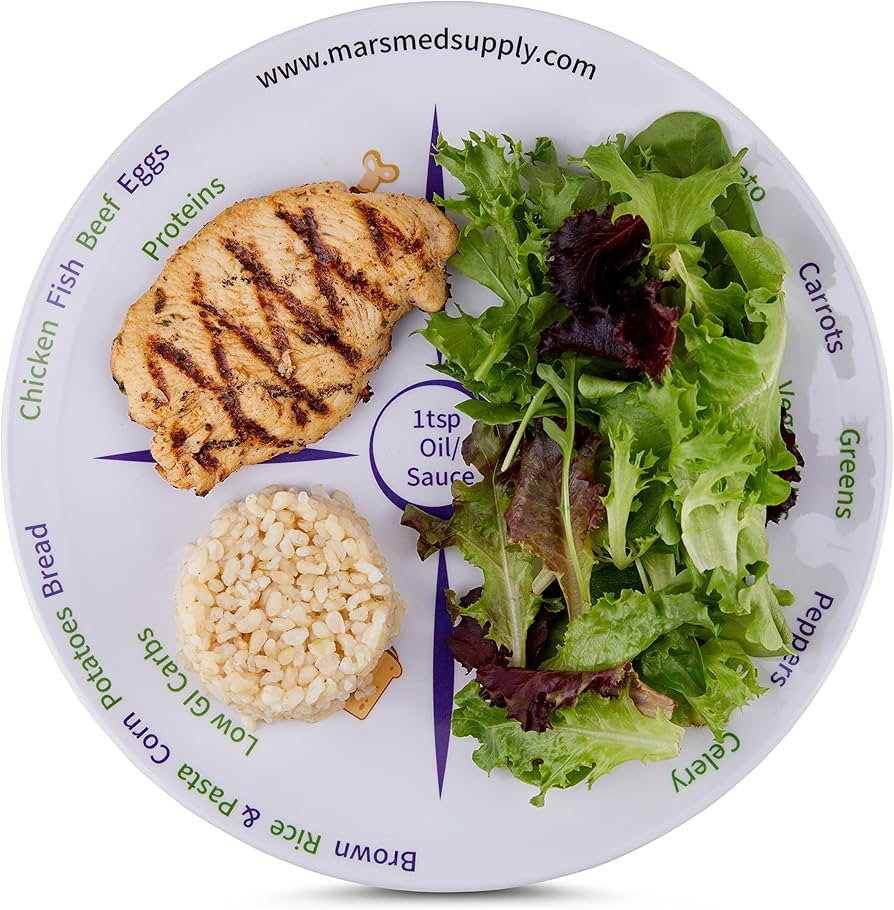
Humans are visual eaters. Studies from Cornell University’s Behavioral Economics research show that plate size, bowl depth, and food placement influence how much people eat—often without awareness.
Simple visual strategies supported by research include:
- Using smaller plates and bowls
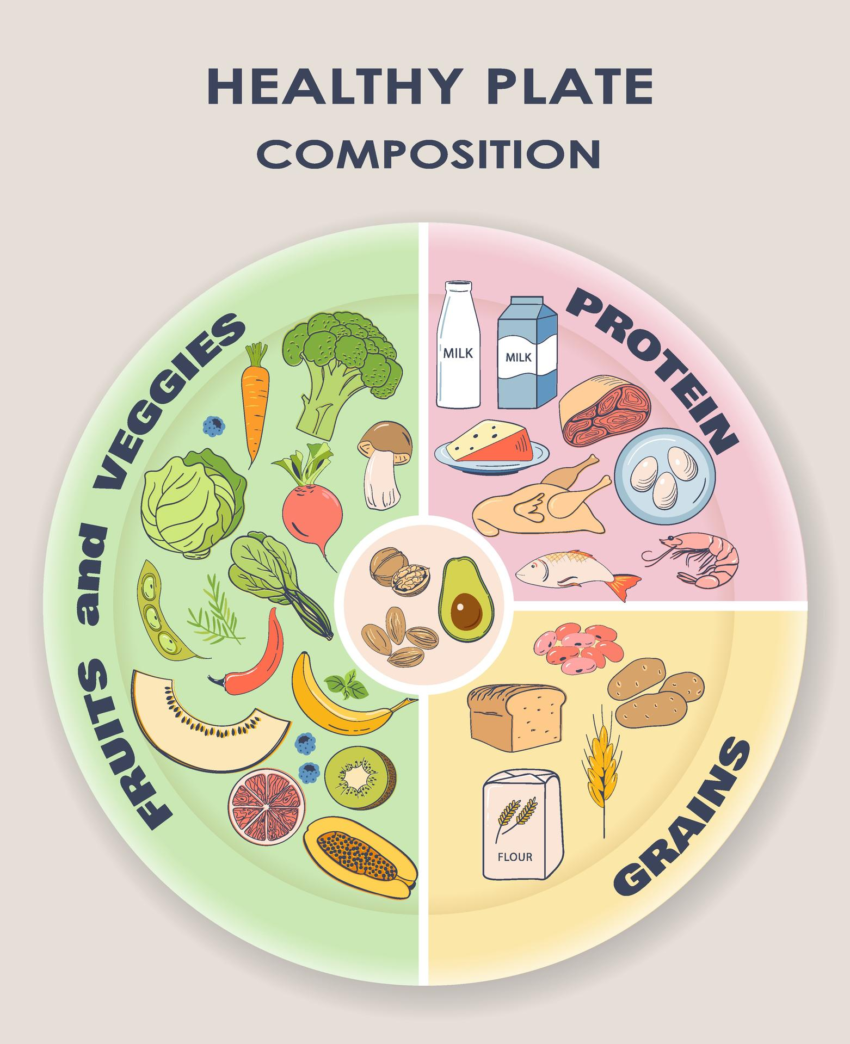
- Filling half the plate with vegetables
- Keeping serving dishes off the table
- Plating food instead of eating from packages
These aren’t tricks; they’re environmental supports that make portion awareness easier in daily life.
Portion Awareness Across Different Life Stages
Portion needs are not static. Age, metabolism, activity level, and health status all influence appropriate intake.
- Young adults often underestimate portions when eating out
- Midlife adults may need smaller portions due to metabolic shifts
- Older adults benefit from nutrient-dense portions to preserve muscle
- Highly active individuals often need larger portions than expected
Modern nutrition advice emphasizes flexibility, not fixed serving rules. Portion awareness adapts as life changes.
What the Science Says About Satisfaction and Portions
A key insight driving the return of portion awareness is satisfaction. Research consistently shows that satisfaction—not fullness alone—predicts whether people overeat later.
Eating smaller portions of foods you genuinely enjoy often leads to better long-term regulation than forcing large portions of foods you don’t want.
This explains why extreme volume-based diets often fail. Portion awareness allows enjoyment with intention.
How Portion Awareness Supports Mental Health
Food anxiety is rising, especially among younger Americans exposed to constant nutrition content. Portion awareness provides a grounding alternative.
Instead of asking, “Is this allowed?” the question becomes, “How much feels right for me right now?”
This shift reduces guilt, supports autonomy, and aligns with trauma-informed and intuitive eating frameworks increasingly used in clinical nutrition settings.
Frequently Asked Questions About Portion Awareness
1. Is portion awareness the same as calorie counting?
No. Portion awareness focuses on visual, sensory, and hunger cues rather than numbers.
2. Can portion awareness help with weight loss?
Yes, many people experience gradual weight changes without dieting when they become more aware of portions.
3. Are restaurant portions too large in the U.S.?
Research consistently shows that restaurant portions exceed standard serving sizes.
4. Do I need a food scale to practice portion awareness?
No. Visual cues and hand-based estimates are usually sufficient.
5. How long does it take to adjust to smaller portions?
Most people adapt within a few weeks as hunger hormones recalibrate.
6. Is portion awareness appropriate for kids?
Yes, when framed as listening to hunger and fullness rather than control.
7. Can athletes use portion awareness?
Absolutely. It helps align intake with training demands.
8. Does portion awareness work for all diets?
Yes. It’s compatible with virtually any eating pattern.
9. What’s the biggest mistake people make with portions?
Eating automatically without checking in with hunger or satisfaction.
A Skill Worth Relearning in a Food-Abundant World
Portion awareness isn’t a trend—it’s a response to modern eating conditions. In a culture where food is always available, learning to notice how much we eat restores agency without rigidity.
As nutrition advice evolves, portion awareness stands out not because it’s new, but because it works quietly, consistently, and humanely.
Key Points to Remember as You Rebuild Portion Awareness
- It’s about understanding, not restriction
- Environment influences intake more than willpower
- Satisfaction matters as much as fullness
- Portions should evolve with your life
- Awareness builds trust with food over time