

Summary
Eco-friendly living is no longer just about reducing environmental harm. For many Americans, it has become a practical way to improve daily comfort, health, financial stability, and peace of mind. This article explores how sustainable choices—when grounded in realism—are increasingly viewed as a quality-of-life upgrade rather than a personal sacrifice.
A Shift in How Americans Define “Living Well”
For decades, sustainability was framed as a moral responsibility or a long-term investment in the planet. While those motivations still matter, they no longer tell the full story. Across the U.S., eco-friendly living is being adopted for more immediate, personal reasons: lower stress, better health, improved comfort at home, and more control over expenses.
This shift reflects a broader change in how Americans define quality of life. Convenience alone is no longer the ultimate benchmark. Instead, people are weighing how their homes feel, how their routines affect their health, and how resilient their lifestyles are in the face of rising costs, climate volatility, and work-life strain. Sustainable living, when done practically, aligns with these priorities.

Health Benefits That Show Up in Everyday Life
One of the strongest drivers behind eco-friendly living is its impact on physical and mental health. Unlike abstract environmental benefits, these improvements are tangible and immediate.
Indoor air quality is a clear example. Many conventional homes contain volatile organic compounds (VOCs) from paints, furniture, cleaning products, and synthetic fragrances. Over time, exposure can contribute to headaches, respiratory irritation, and fatigue. Choosing low-VOC paints, fragrance-free cleaners, and better ventilation often leads to noticeable improvements in how people feel at home.
Food choices also play a role. A diet that emphasizes whole foods, seasonal produce, and fewer ultra-processed items tends to overlap naturally with sustainable eating patterns. Americans who cook more at home using fresh ingredients frequently report better energy levels and fewer digestive issues, even when sustainability was not their original goal.
Mental health benefits are less obvious but equally important. Simplifying consumption—owning fewer, better-quality items and reducing clutter—has been linked in behavioral studies to lower stress and improved focus. Eco-friendly living often encourages intentionality, which can feel grounding in a culture defined by constant stimulation.
Financial Stability as a Form of Sustainability
Eco-friendly living is often assumed to be expensive, but many Americans experience the opposite over time. The key difference lies between upfront costs and long-term value.
Energy efficiency is a common entry point. Homes with better insulation, LED lighting, smart thermostats, and energy-efficient appliances typically see lower monthly utility bills. According to U.S. energy data, households that invest in efficiency upgrades often recoup costs through savings within a few years, especially as energy prices fluctuate.
Waste reduction also has financial implications. Buying durable goods instead of disposable ones, repairing rather than replacing, and planning meals to avoid food waste can noticeably reduce household spending. These habits are less about deprivation and more about eliminating unnecessary expenses.
For many families, eco-friendly living becomes a way to regain predictability in their finances—something that feels increasingly valuable amid inflation and economic uncertainty.
Comfort and Convenience Have Quietly Improved
Earlier versions of “green living” often required tradeoffs: scratchy fabrics, underperforming appliances, or inconvenient routines. That is far less true today.
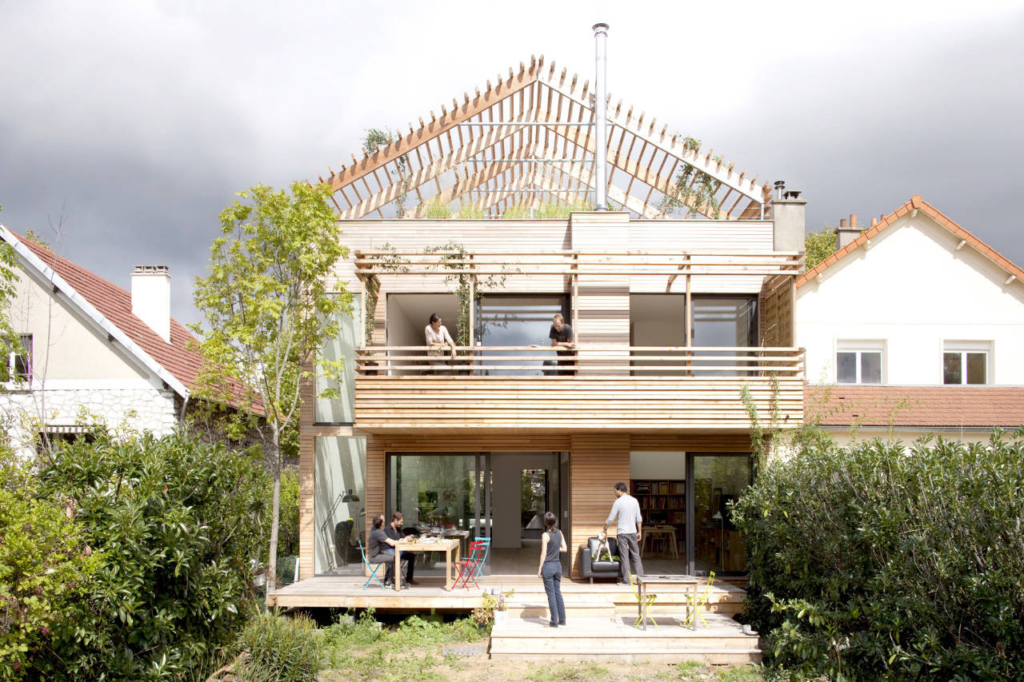
Modern sustainable products are designed with comfort in mind. Energy-efficient homes are often quieter and maintain more consistent temperatures. Electric appliances reduce indoor combustion and heat buildup. Water-saving fixtures now offer strong performance without sacrificing usability.
Even transportation has changed. For drivers who can access charging infrastructure, electric vehicles reduce noise, vibration, and routine maintenance. While not practical for everyone, those who make the switch often describe the experience as calmer and more predictable rather than restrictive.
The broader point is that eco-friendly choices increasingly align with what people already want: reliability, ease, and fewer daily friction points.
Resilience in an Unpredictable World
Quality of life is closely tied to how well a household handles disruption. Eco-friendly living often enhances resilience, even when that is not the stated goal.
Homes with efficient heating and cooling systems maintain safer indoor temperatures during extreme weather. Households that rely less on single-use goods are less affected by supply chain disruptions. Families accustomed to cooking at home and buying locally often adapt more easily during price spikes or shortages.
This resilience contributes to a sense of security—an underrated but critical component of well-being. Sustainable living, in this context, is not about perfection. It is about flexibility and preparedness.
Social and Psychological Satisfaction
There is also a quieter, psychological dimension to eco-friendly living. Many Americans report a sense of alignment between their values and daily actions, which contributes to overall life satisfaction.
This does not require activism or lifestyle overhauls. Simple habits—reducing waste, conserving energy, choosing products thoughtfully—can foster a feeling of agency. In a world where many large systems feel out of individual control, that sense of agency matters.
Social norms are shifting as well. Sustainable choices are increasingly mainstream, reducing the friction people once felt when making them. This normalization makes eco-friendly living feel less like a statement and more like a reasonable default.
What Eco-Friendly Living Actually Looks Like in Practice
For most Americans, eco-friendly living is incremental rather than transformative. It often shows up in practical decisions such as:
- Prioritizing energy efficiency during home upgrades
- Choosing fewer, higher-quality household items
- Cooking more meals at home with seasonal ingredients
- Reducing reliance on disposable products
- Maintaining vehicles and appliances to extend their lifespan
These actions are not dramatic, but they accumulate. Over time, they shape a lifestyle that feels calmer, healthier, and more intentional.
Addressing Common Concerns and Misconceptions
Despite its benefits, eco-friendly living still faces skepticism. Common concerns include cost, inconvenience, and fear of judgment. In practice, sustainable living is highly customizable.
There is no single “correct” version. What works for an urban renter will look different from what works for a suburban homeowner or a rural family. The most successful approaches focus on personal priorities rather than external expectations.
Importantly, eco-friendly living does not require constant optimization. Many people find the greatest quality-of-life gains by addressing a few high-impact areas and then maintaining them consistently.
Frequently Asked Questions
Is eco-friendly living expensive to start?
It can involve upfront costs, but many changes—like reducing waste or energy use—cost little or nothing to begin.
Does sustainable living require major lifestyle changes?
No. Most people adopt it gradually through small, practical adjustments.
Can renters live sustainably?
Yes. Renters can focus on energy use, waste reduction, food choices, and product selection.
Is eco-friendly living time-consuming?
Initially, some habits require adjustment, but many save time over the long term.
Does it actually improve health?
Many people experience benefits related to air quality, diet, and stress reduction.
Is it only for environmentally focused people?
No. Many adopt it primarily for comfort, savings, or convenience.
How do I avoid feeling overwhelmed?
Start with one area that matters most to you and ignore the rest for now.
Is sustainable living compatible with modern life?
Increasingly, yes. Products and systems are designed to integrate seamlessly.
Do small changes really matter?
Yes—especially when they are consistent and long-term.
A Better Life by Design, Not Sacrifice
Eco-friendly living is gaining traction not because people want to give things up, but because they want their lives to function better. When sustainability aligns with comfort, health, and financial stability, it stops feeling ideological and starts feeling practical. For many Americans, that practicality is what turns eco-friendly living into a genuine quality-of-life upgrade.
Key Ideas Worth Carrying Forward
- Eco-friendly living increasingly supports comfort, health, and stability
- Financial and energy resilience are central benefits
- Small, consistent changes matter more than perfection
- Sustainable choices often reduce daily stress rather than add to it