

Summary
Dietary guidance in the U.S. is shifting away from strict restriction and toward consistency. Research and real-world outcomes show that sustainable eating patterns—rather than short-term rules—support better health, adherence, and long-term metabolic outcomes. This article explains why consistency matters, how it works in practice, and what it looks like for everyday Americans.
Introduction: A Quiet but Meaningful Shift in Nutrition Advice
For decades, nutrition advice in the United States often centered on restriction: cut carbs, avoid fat, eliminate sugar, skip meals, follow rigid plans. While these approaches sometimes produced short-term results, they rarely held up in real life. People found them difficult to maintain, socially isolating, and mentally exhausting.
Today, registered dietitians, clinicians, and public health organizations are increasingly emphasizing something different: consistency. Instead of asking people to perfectly follow a plan, modern dietary guidance focuses on repeatable habits, flexible structure, and patterns that fit real lives. This shift reflects growing evidence that how consistently we eat well matters more than how strictly we eat at any given moment.
What “Consistency” Means in Modern Nutrition
Consistency does not mean eating the same meals every day or following a rigid routine. It refers to maintaining broadly supportive eating behaviors over time, even when life gets busy or imperfect.
In practical terms, consistency often looks like:
- Regular meals instead of frequent skipping
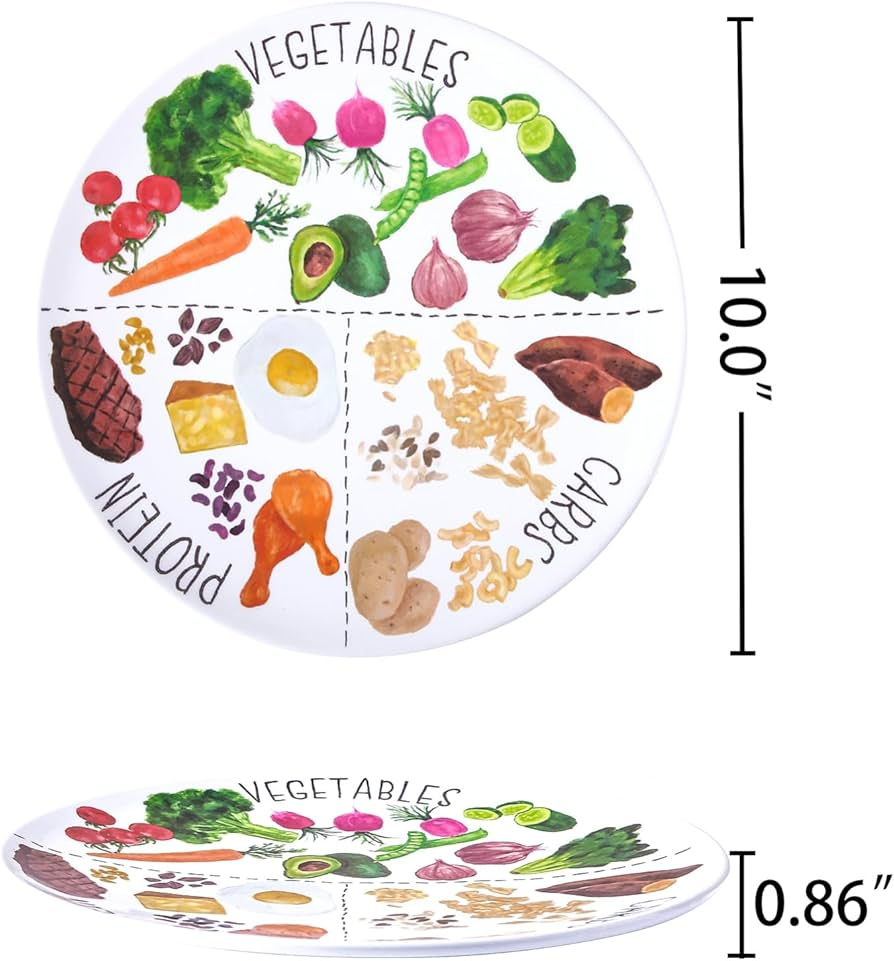
- Balanced plates most of the time
- Predictable patterns that reduce decision fatigue
- Flexibility without abandonment
Nutrition professionals increasingly frame success not as perfection, but as the ability to return to supportive habits after disruptions.
Why Restriction Has Lost Favor
Restrictive diets tend to fail for reasons that go beyond willpower. Large-scale studies consistently show that highly restrictive eating patterns are difficult to sustain and often lead to weight regain, metabolic adaptation, and strained relationships with food.
From a physiological standpoint, restriction can trigger:
- Increased hunger hormones
- Reduced resting metabolic rate
- Heightened cravings
- Loss of lean muscle mass
Psychologically, restriction often promotes all-or-nothing thinking. Once rules are broken, many people feel they have failed and disengage entirely. This cycle helps explain why repeated dieting is associated with long-term weight instability rather than lasting health improvements.
The Evidence Supporting Consistency
Research increasingly supports the value of steady, moderate dietary patterns. Long-term observational studies such as those published in The New England Journal of Medicine and JAMA show that gradual, sustainable eating habits correlate more strongly with improved cardiovascular markers, glycemic control, and weight stability than short-term interventions.
Key findings frequently cited by clinicians include:
- People who eat regularly tend to have better insulin sensitivity
- Moderate calorie consistency supports hormonal regulation
- Diet quality over time predicts health outcomes better than short-term restriction
- Adherence rates are higher when flexibility is built into eating patterns
The takeaway is not that calories or nutrients don’t matter, but that consistency determines whether guidance is actionable in daily life.
What Americans Are Actually Searching For
Online search trends reveal that Americans are asking more practical questions than ever. Instead of “fastest way to lose weight,” queries increasingly include:
- “How to eat healthy without dieting”
- “Best way to stay consistent with meals”
- “How to stop starting over with food”
- “What does a balanced diet look like long term”
These questions reflect fatigue with restrictive approaches and growing interest in methods that work alongside busy schedules, family life, and social obligations.

How Consistency Improves Metabolic Health
Consistent eating patterns support metabolic health by reducing physiological stress. When meals are predictable and balanced, the body can regulate blood sugar, appetite hormones, and energy expenditure more efficiently.
For example, someone who eats three meals most days—even if the meals vary in composition—often experiences more stable energy levels than someone alternating between restriction and overeating. Over time, this stability supports better glucose control and reduced inflammation.
Importantly, consistency also helps preserve lean muscle mass, especially when paired with adequate protein intake and regular movement. This is particularly relevant as Americans age and metabolic resilience declines.
Consistency in Real Life: Practical Examples
Consider a working parent who prepares simple breakfasts and lunches during the week, eats takeout once or twice, and enjoys home-cooked dinners when time allows. The meals are not perfect, but the pattern is reliable.
Or a college student who eats balanced meals during weekdays and enjoys more indulgent foods on weekends without guilt or compensation. Because there is no restriction mindset, eating naturally returns to baseline.
These examples illustrate a core principle: consistency allows room for life without derailing progress.
Why Dietitians Emphasize Patterns Over Rules
Most registered dietitians now focus on patterns rather than rules because patterns are adaptable. They allow for cultural preferences, budget realities, and individual schedules.
Patterns emphasize:
- Frequency over exact timing
- Balance over elimination
- Habit-building over short-term goals
This approach aligns with recommendations from organizations such as the Academy of Nutrition and Dietetics and the Dietary Guidelines for Americans, which emphasize overall dietary patterns rather than single nutrients.
The Role of Environment and Routine
Consistency becomes easier when the environment supports it. Research in behavioral nutrition shows that predictable routines reduce cognitive load and improve adherence.
Simple environmental strategies include:
- Keeping staple foods readily available
- Eating at roughly similar times most days
- Planning flexible meals rather than exact menus
- Reducing reliance on decision-making when hungry
These adjustments do not require perfection, but they significantly increase follow-through.
Consistency Is Not the Same as Complacency
A common misconception is that consistency means settling or avoiding improvement. In reality, consistency creates a stable foundation that allows for gradual refinement.
Once a person reliably eats regular meals, adding more vegetables, adjusting portions, or improving protein quality becomes far easier. Without consistency, these refinements rarely stick.
How Consistency Supports Mental Well-Being
Beyond physical health, consistency reduces anxiety around food. When eating is predictable and non-punitive, people spend less mental energy negotiating rules or compensating for perceived mistakes.
This psychological relief is one reason consistency-focused approaches are increasingly used in clinical settings, including diabetes management and eating disorder recovery frameworks.
What This Shift Means for the Future of Nutrition Advice
As nutrition guidance evolves, the emphasis is moving toward realistic strategies that acknowledge human behavior. Technology, wearable data, and personalized nutrition may refine recommendations, but consistency will remain foundational.
Rather than asking people to change everything at once, modern guidance encourages small, repeatable behaviors that compound over time. This approach aligns with how habits form and how health is maintained across decades—not weeks.

Frequently Asked Questions
1. Is consistency more important than calorie counting?
For most people, consistency supports better long-term outcomes than strict calorie tracking alone.
2. Can consistency help with weight management?
Yes. Stable eating patterns are associated with improved weight stability and metabolic health.
3. Does consistency mean eating the same foods every day?
No. It refers to predictable patterns, not identical meals.
4. How long does it take for consistency to show results?
Many people notice improved energy and appetite regulation within weeks, with longer-term benefits over months.
5. Is restriction ever necessary?
Medical conditions may require specific limits, but even then, consistency is prioritized over extremes.
6. How do I stay consistent when traveling or busy?
Aim for structure, not perfection—regular meals and basic balance are sufficient.
7. Does consistency apply to weekends?
Yes. Consistency includes flexibility and does not exclude enjoyment.
8. Can consistency work without meal prep?
Absolutely. Simple routines and repeatable food choices are often enough.
9. Is consistency suitable for all ages?
Yes, particularly as metabolic resilience changes with age.
Key Ideas to Remember
- Sustainable health comes from patterns, not perfection
- Restriction often undermines long-term success
- Consistency supports both physical and mental well-being
- Flexible structure improves adherence
- Real life must be part of any effective nutrition plan