
Summary
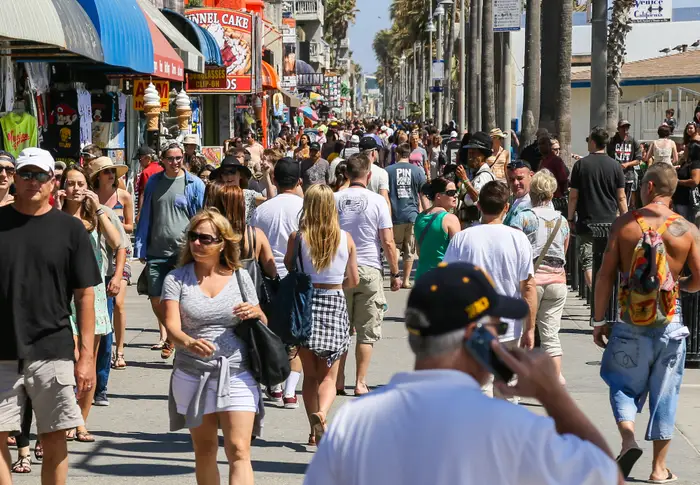
Over the past decade, Americans have reshaped how they view celebrities. Social media access, cultural polarization, economic pressures, and shifting trust in institutions have transformed fame from aspiration into scrutiny. This article explains why audiences are more selective, skeptical, and values-driven—and what those changes mean for celebrities, media, and brands today.
Introduction: Fame Hasn’t Disappeared—It’s Been Recalibrated
Ten years ago, celebrity culture in the United States revolved around aspiration. Movie stars, musicians, and athletes were distant figures whose lives felt elevated and largely inaccessible. Audiences consumed carefully managed interviews, magazine covers, and red-carpet appearances with limited direct interaction.
Today, celebrities are everywhere—and that ubiquity has changed how Americans respond to them.
The shift isn’t about disinterest in fame. It’s about context. Audiences now encounter celebrities daily through social platforms, podcasts, livestreams, and comment sections. The result is a relationship that feels closer, but also more conditional. Fame alone no longer guarantees admiration, loyalty, or trust.
Understanding this shift requires looking at technology, economics, media trust, and evolving cultural expectations—not just celebrity behavior itself.
The Social Media Effect: Access Without Distance
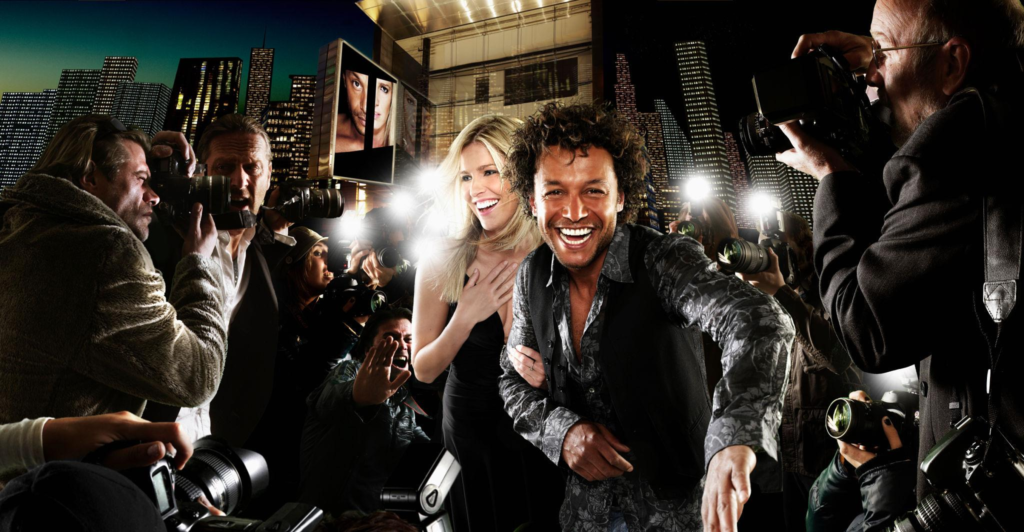
A decade ago, celebrities were filtered through publicists and editors. Today, many speak directly to millions of followers, often multiple times a day. While this access was initially exciting, it has produced mixed outcomes.
Constant visibility has reduced mystery. When audiences see celebrities navigating everyday frustrations, business ventures, or personal opinions in real time, the aura of exceptionality weakens. Celebrities begin to feel less aspirational and more comparable.
This doesn’t mean audiences want celebrities to disappear. It means the standard has changed. Americans increasingly expect:
- Consistency between public values and private behavior
- Thoughtful use of influence rather than constant self-promotion
- Awareness of audience diversity and lived realities
Social media has also eliminated the buffer that once softened missteps. Comments, screenshots, and viral clips now shape narratives faster than traditional media cycles ever could.
Economic Pressure Has Changed Audience Empathy
One of the most under-discussed factors shaping audience response is economic context.
Since 2015, Americans have faced rising housing costs, student debt, healthcare expenses, and economic uncertainty. Against that backdrop, displays of extreme wealth or tone-deaf messaging land differently than they once did.
Audiences don’t necessarily resent success—but they do react strongly to perceived disconnect. When celebrities speak about “hard work” without acknowledging privilege, or complain about inconveniences that feel trivial to everyday Americans, engagement often turns critical.
This explains why audiences now respond better to celebrities who:
- Acknowledge their advantages openly
- Speak with specificity rather than general platitudes
- Avoid presenting wealth as a moral achievement
The shift is less about envy and more about relatability grounded in reality.
The Decline of Automatic Trust in Public Figures
Trust in institutions—including media, corporations, and public figures—has declined significantly over the past decade. According to surveys from the Pew Research Center, Americans are more skeptical of authority and more likely to question narratives presented by powerful individuals.
Celebrities are not exempt from this trend.
Audiences now assume that endorsements, apologies, and advocacy may be strategically motivated. As a result, credibility must be earned repeatedly rather than assumed.
This skepticism has reshaped how celebrity activism is received. Messages that once generated praise now prompt questions:
- Is this informed or performative?
- Is the celebrity personally invested or following a trend?
- Are actions aligned with statements?
The answer doesn’t need to be perfect—but it does need to be transparent.
Fragmented Media Has Fragmented Celebrity Power
A decade ago, a handful of television networks, studios, and publications could elevate celebrities to near-universal recognition. Today, media consumption is fragmented across streaming platforms, niche communities, and algorithm-driven feeds.
As a result, celebrity influence is more segmented. A public figure may command intense loyalty within one demographic while being virtually unknown—or actively disliked—by another.
This fragmentation has led to:
- Smaller but more engaged fan communities
- Faster rise-and-fall cycles
- Reduced tolerance for mass-appeal neutrality
Celebrities who try to appeal to everyone often resonate with no one. Those who understand their audience, values, and limitations tend to sustain relevance longer.
Cultural Conversations Now Move Faster Than Celebrity Messaging
Cultural discourse in the U.S. has accelerated. Social issues, workplace norms, and language expectations evolve quickly, often driven by grassroots conversations rather than top-down messaging.
Celebrities who fail to keep pace risk appearing out of touch—not because of malice, but because of delayed understanding.
This helps explain why audiences respond more positively to celebrities who listen publicly, adjust thoughtfully, and avoid rushing statements during unfolding events. Silence is sometimes criticized, but poorly timed commentary often draws stronger backlash.
The modern audience values discernment over immediacy.
Parasocial Relationships Have Become More Complicated
The rise of podcasts, livestreams, and long-form interviews has deepened parasocial relationships—one-sided emotional connections audiences feel toward public figures.
While these connections can build loyalty, they also raise expectations. When a celebrity feels “known,” audiences expect:
- Emotional authenticity
- Accountability during controversy
- Respect for audience boundaries
When expectations aren’t met, disappointment can feel personal rather than abstract. This emotional proximity intensifies both support and criticism, making audience reactions more volatile than in the past.
Why Some Celebrities Thrive Despite the Shift
Not all celebrities struggle under modern scrutiny. Many have adapted successfully by recalibrating how they engage with audiences.
Common traits among those who thrive include:
- Clear boundaries between personal life and public persona
- Selective visibility rather than constant posting
- Willingness to admit uncertainty or growth
- Long-term thinking instead of trend chasing
These figures understand that today’s audience values judgment, not just charisma.
What This Means for Media, Brands, and Creators
For media outlets and advertisers, the shift in audience response requires a different approach. Celebrity association alone no longer guarantees trust transfer. Context, alignment, and credibility matter more than name recognition.
Successful collaborations now prioritize:
- Shared values over reach
- Substance over spectacle
- Long-term reputation over short-term attention
This mirrors how audiences evaluate celebrities themselves—thoughtfully, selectively, and with increasing awareness.
Frequently Asked Questions
Why do people seem more critical of celebrities today?
Greater access, economic pressure, and declining institutional trust have raised expectations and reduced automatic deference.
Do Americans still care about celebrities?
Yes, but interest is more conditional and values-driven than it was a decade ago.
Is social media the main cause of this shift?
It’s a major factor, but broader cultural and economic changes play equally important roles.
Why do celebrity apologies feel less effective now?
Audiences evaluate intent, timing, and follow-through more closely than language alone.
Are younger audiences changing celebrity culture the most?
Younger generations often set norms, but older audiences have also become more selective and skeptical.
Why does celebrity activism receive mixed reactions?
Audiences differentiate between informed engagement and perceived performative behavior.
Has fame become harder to sustain long term?
Yes. Visibility is easier, but maintaining credibility requires ongoing effort.
Do audiences prefer “relatable” celebrities now?
Relatability matters, but authenticity and awareness matter more than casual presentation.
Will celebrity influence continue to decline?
Influence is shifting, not disappearing—becoming more targeted and less universal.
How Public Attention Has Learned to Ask Better Questions
American audiences haven’t grown cynical—they’ve grown discerning. The last decade taught consumers to question power, assess credibility, and recognize influence dynamics. Celebrities are now evaluated less as icons and more as participants in shared cultural space.
This doesn’t diminish fame. It grounds it.
The celebrities who endure are those who understand that attention today isn’t granted—it’s negotiated.
A Clear View of the Shift
- Celebrity culture hasn’t faded; it has matured
- Audiences value transparency, context, and accountability
- Influence now depends on alignment, not distance
- Fame without awareness is increasingly fragile