

Summary
Americans are increasingly looking past celebrity fame to evaluate credibility, values, and real-world impact. In an era shaped by misinformation, economic pressure, and social change, audiences are scrutinizing who speaks, why they speak, and whether their influence is earned. This shift reflects a broader demand for trust, accountability, and substance in public voices.
For decades, fame alone carried influence in American culture. Movie stars sold products, athletes shaped opinions, and well-known figures commanded attention simply by being recognizable. That dynamic is changing. Today, Americans are far more interested in who a public figure is behind the spotlight—and whether their voice deserves trust.
This shift is not about rejecting celebrities outright. It is about recalibrating influence. Audiences are asking sharper questions, evaluating credibility more carefully, and seeking substance over visibility. Understanding why this is happening requires examining deeper cultural, technological, and economic forces shaping how Americans relate to fame.
The Erosion of Automatic Trust in Famous Voices
Public trust in institutions and authority figures has declined steadily over the past two decades. According to Pew Research Center, trust in government, media, and large organizations remains historically low across political and demographic lines. Celebrities, once beneficiaries of automatic goodwill, are no longer insulated from this skepticism.
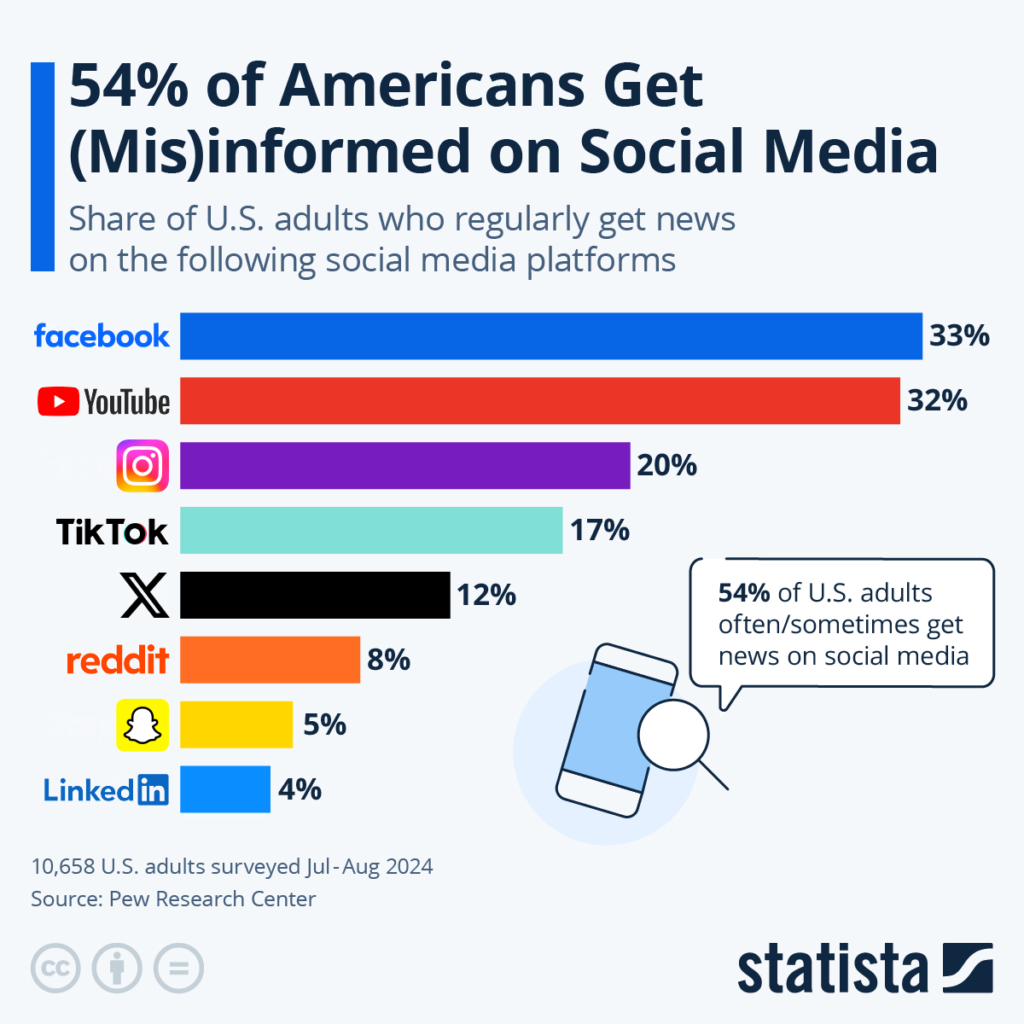
The rise of social media accelerated this shift. Platforms that promised authenticity instead exposed contradictions, poorly informed opinions, and performative activism. Americans now regularly witness celebrities speaking outside their expertise—on health, politics, finance, or social issues—often without accountability.
As a result, audiences increasingly separate visibility from credibility. Being famous no longer guarantees being persuasive.

The Economic Pressure Shaping Audience Expectations
Economic realities play a critical role in how Americans assess public voices. Rising living costs, student debt, healthcare expenses, and job insecurity have sharpened the public’s sensitivity to relevance.
When a wealthy or highly privileged figure offers advice, audiences often ask:
- Does this person understand the constraints most Americans face?
- Is their success replicable, or uniquely enabled by access and timing?
- Are they offering insight—or simply branding?
This does not mean Americans reject success stories. Rather, they value transparency about advantages, failures, and trade-offs. Figures who acknowledge structural realities tend to resonate more than those who promote simplified narratives of personal triumph.
The Difference Between Influence and Authority
One of the most significant cultural shifts is the distinction Americans now make between influence and authority.
Influence comes from reach—followers, views, recognition. Authority comes from demonstrated experience, consistency, and accountability. Increasingly, Americans are prioritizing the latter.
This is especially evident in areas such as:
- Mental health discussions
- Career and financial guidance
- Social justice and civic engagement
- Health and wellness information
Audiences are more likely to trust a professional with lived experience or verifiable expertise than a celebrity endorsement, even if the celebrity has a larger platform.
Why Motivational Voices Are Under Greater Scrutiny
Motivational speakers and inspirational figures occupy a unique space between celebrity and expertise. In recent years, Americans have become more discerning about these voices as well.
This scrutiny stems from repeated exposure to:
- Overgeneralized success frameworks
- Advice detached from socioeconomic context
- Messages that place responsibility solely on individual mindset
Research from Gallup shows that Americans increasingly associate well-being with stability, community, and institutional support—not just personal optimism. Motivational messages that ignore these factors feel incomplete or unrealistic.
Speakers who ground inspiration in evidence, personal accountability, and real constraints tend to build longer-lasting trust.
Social Media Transparency Has Changed the Rules
Social platforms were once tools for image control. Today, they are engines of scrutiny. Old statements resurface. Inconsistencies are documented. Audiences can fact-check claims in real time.
This environment rewards:
- Consistency over time
- Willingness to admit mistakes
- Clear boundaries between opinion and expertise
It penalizes perceived opportunism. Americans are quick to disengage when public figures appear to pivot causes, values, or narratives purely for attention or monetization.
The Role of Cultural and Political Polarization
Polarization has intensified Americans’ attention to who is speaking and why. In a divided environment, audiences are less tolerant of vague messaging or superficial neutrality.
Public figures are expected to:
- Clarify their values
- Explain their reasoning
- Accept disagreement without dismissiveness
Those who engage thoughtfully—even when controversial—often earn more respect than those who attempt to appeal to everyone without substance.
Experience-Based Credibility Matters More Than Ever
One of the clearest trends is the rising value placed on lived experience. Americans respond strongly to voices shaped by:
- Professional depth
- Long-term involvement in an issue
- Personal accountability for outcomes
This explains the growing influence of practitioners—teachers, veterans, healthcare workers, small business owners—who may not be traditionally famous but are perceived as authentic and grounded.
Fame can amplify a message, but it no longer substitutes for substance.
How Brands and Media Are Responding
Media organizations and advertisers have adjusted accordingly. Native advertising, branded content, and long-form storytelling increasingly emphasize:
- Context over slogans
- Transparency over polish
- Credible sourcing over celebrity endorsement alone
Brands now assess not just reach, but reputation durability. A smaller, trusted voice often outperforms a large but fragile one.
What This Shift Says About American Values
At its core, this change reflects evolving American values. In uncertain times, audiences prioritize:
- Trustworthiness
- Practical relevance
- Ethical consistency
Fame remains powerful, but it is no longer unquestioned. Americans want to know whether a voice deserves attention—not just whether it commands it.

Frequently Asked Questions
Why are Americans more skeptical of celebrities today?
Increased access to information, economic stress, and declining institutional trust have made audiences more critical of authority based solely on fame.
Do celebrities still influence public opinion?
Yes, but influence is increasingly conditional on credibility, consistency, and relevance to the topic discussed.
Why are motivational speakers facing more scrutiny?
Audiences are pushing back against overly simplistic advice that ignores structural and economic realities.
How does social media contribute to this shift?
Social platforms expose inconsistencies, amplify criticism, and enable real-time fact-checking.
Are experts replacing celebrities as trusted voices?
In many contexts, yes. Americans increasingly value demonstrated expertise and lived experience.
Does this trend affect younger audiences too?
Gen Z and Millennials are often even more critical, valuing authenticity and transparency highly.
How do brands adapt to this change?
By partnering with credible voices, emphasizing long-form storytelling, and avoiding superficial endorsements.
Is fame becoming less valuable overall?
Fame still matters, but it is no longer sufficient without trust and substance.
What qualities build long-term public trust today?
Consistency, accountability, humility, and evidence-based communication.
Listening Beyond the Spotlight
The growing focus on voices behind the fame signals a more discerning American public. Attention is no longer given freely—it is earned through credibility, relevance, and respect for audience intelligence. In a crowded media landscape, substance has become the most sustainable form of influence.
Key Signals Shaping This Cultural Shift
- Audiences differentiate reach from expertise
- Transparency outweighs polish
- Trust is built over time, not through visibility