
Summary
Your skincare routine reflects more than cosmetic preferences—it often mirrors sleep quality, stress levels, diet, hormones, and long-term health habits. From cleansing choices to skipped sunscreen, everyday skin decisions offer clues about how well you care for your body overall. Understanding these signals can help you align skincare with broader wellness goals.
Skin as a Wellness Barometer, Not Just a Beauty Concern
Dermatologists often describe skin as a “window” into overall health. As the body’s largest organ, skin responds quickly to internal changes—hydration, inflammation, hormonal shifts, sleep deprivation, and chronic stress often show up on the face before anywhere else. In the U.S., where wellness conversations increasingly focus on prevention and lifestyle medicine, skincare has quietly become a daily health ritual rather than a purely aesthetic one.
A consistent routine doesn’t automatically mean optimal wellness, but patterns matter. The products you choose, the steps you prioritize, and even what you skip can reveal how you manage stress, time, nutrition, and self-care. Understanding these signals allows skincare to function as feedback—not judgment.
The “Bare Minimum” Routine: Efficiency, Burnout, or Balance?
A simple routine—cleanser, moisturizer, sunscreen—can mean different things depending on context. For many Americans, minimalism reflects practicality, cost-consciousness, or time scarcity rather than neglect. Research from the Bureau of Labor Statistics shows the average adult spends less than 30 minutes per day on all personal care combined, underscoring how limited time shapes habits.
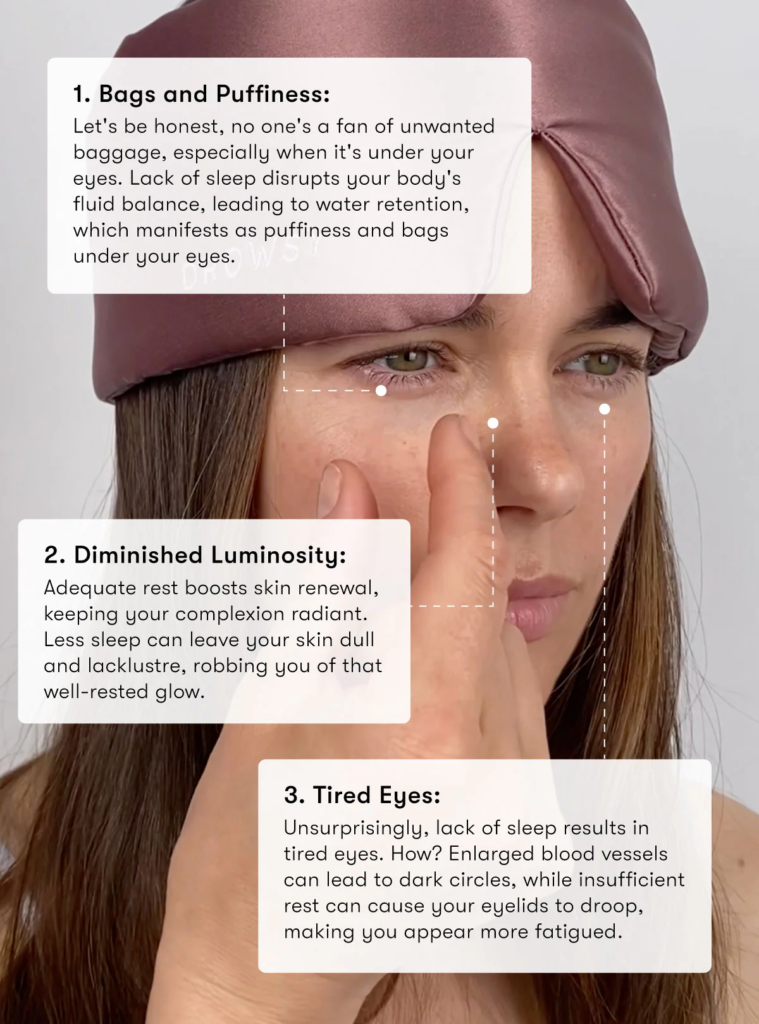
When minimal routines are paired with healthy skin, good sleep, and balanced nutrition, they often indicate efficient wellness management. However, when dryness, breakouts, or irritation persist, minimalism may signal chronic stress, poor hydration, or nutritional gaps rather than smart simplicity.
Wellness signals often associated with ultra-minimal routines include:
- High workload or caregiving responsibilities
- Decision fatigue or burnout
- Preference for low-maintenance health habits
- Inconsistent sleep schedules
The key distinction lies in results, not step count.
Overcomplicated Skincare and the Stress–Control Loop
On the opposite end, multi-step routines featuring acids, retinoids, masks, and devices can reflect proactive self-care—or an attempt to control stress through optimization. Psychologists note that when external stressors feel unpredictable, people often seek structure through personal routines.
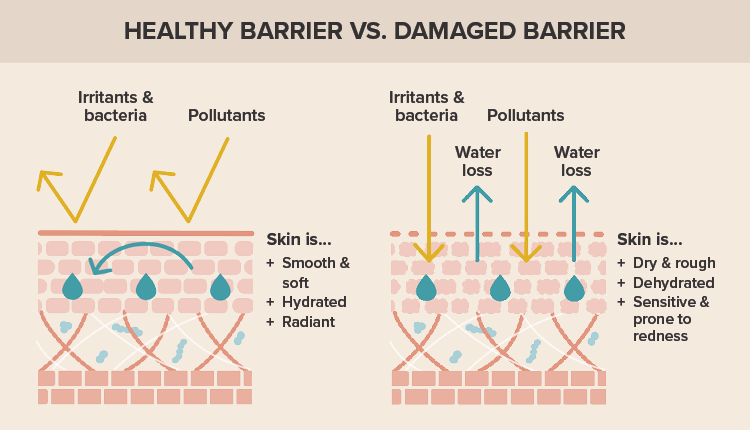
While there’s nothing inherently unhealthy about advanced skincare, overuse increases the risk of barrier damage, inflammation, and sensitivity. According to the American Academy of Dermatology, more products do not equal better outcomes; in fact, excessive exfoliation is a leading cause of adult skin irritation.
Overly complex routines may align with:
- Perfectionism or health anxiety
- Hormonal instability driving sudden acne or pigmentation
- High exposure to social media skincare trends
- Inconsistent professional guidance
Balanced wellness usually shows up as consistency, not constant product cycling.
Cleansing Habits and What They Reveal About Daily Rhythm
How and when someone cleanses their skin often reflects lifestyle structure. Skipping nighttime cleansing, for example, is common among shift workers, parents of young children, and people experiencing sleep deprivation. Residual sunscreen, pollution, and oil left overnight can exacerbate inflammation, but the habit itself points to broader fatigue patterns.
Morning-only cleansing may indicate:
- Late nights or disrupted circadian rhythms
- Low energy reserves
- Underprioritized recovery time
Conversely, harsh over-cleansing can signal attempts to “reset” skin after dietary indulgence, stress sweating, or environmental exposure. Healthy routines align cleansing frequency with actual skin needs, not guilt or compensation.
Moisturizer Choices Reflect Hydration and Nutrition Awareness
Skin hydration is influenced as much by internal factors as topical ones. Lightweight gels often appeal to people who drink adequate water, consume balanced fats, and live in humid climates. Heavy occlusives are more common among those experiencing dehydration, frequent travel, or high caffeine and alcohol intake.
Studies published in Clinical, Cosmetic and Investigational Dermatology suggest that omega-3 intake, sleep quality, and cortisol regulation significantly affect skin barrier function—often more than the moisturizer itself.
People who consistently moisturize tend to demonstrate:
- Routine-building skills
- Awareness of preventative care
- Long-term thinking rather than reactive fixes
Skipping moisturizer entirely, especially with tight or flaky skin, often reflects wellness blind spots rather than skin type alone.
Sunscreen Use as a Marker of Preventive Health Mindset
Daily sunscreen use strongly correlates with broader preventive health behaviors. Data from the Centers for Disease Control and Prevention shows that adults who regularly use sunscreen are also more likely to attend annual physicals and engage in exercise.
In contrast, inconsistent sunscreen use may reflect:
- Short-term thinking
- Misunderstanding cumulative damage
- Cultural misconceptions about skin cancer risk
- Prioritization of appearance over health
Sunscreen isn’t about fear—it’s about risk management. Consistency here often mirrors how someone approaches long-term wellness planning overall.
Breakouts, Inflammation, and Lifestyle Triggers
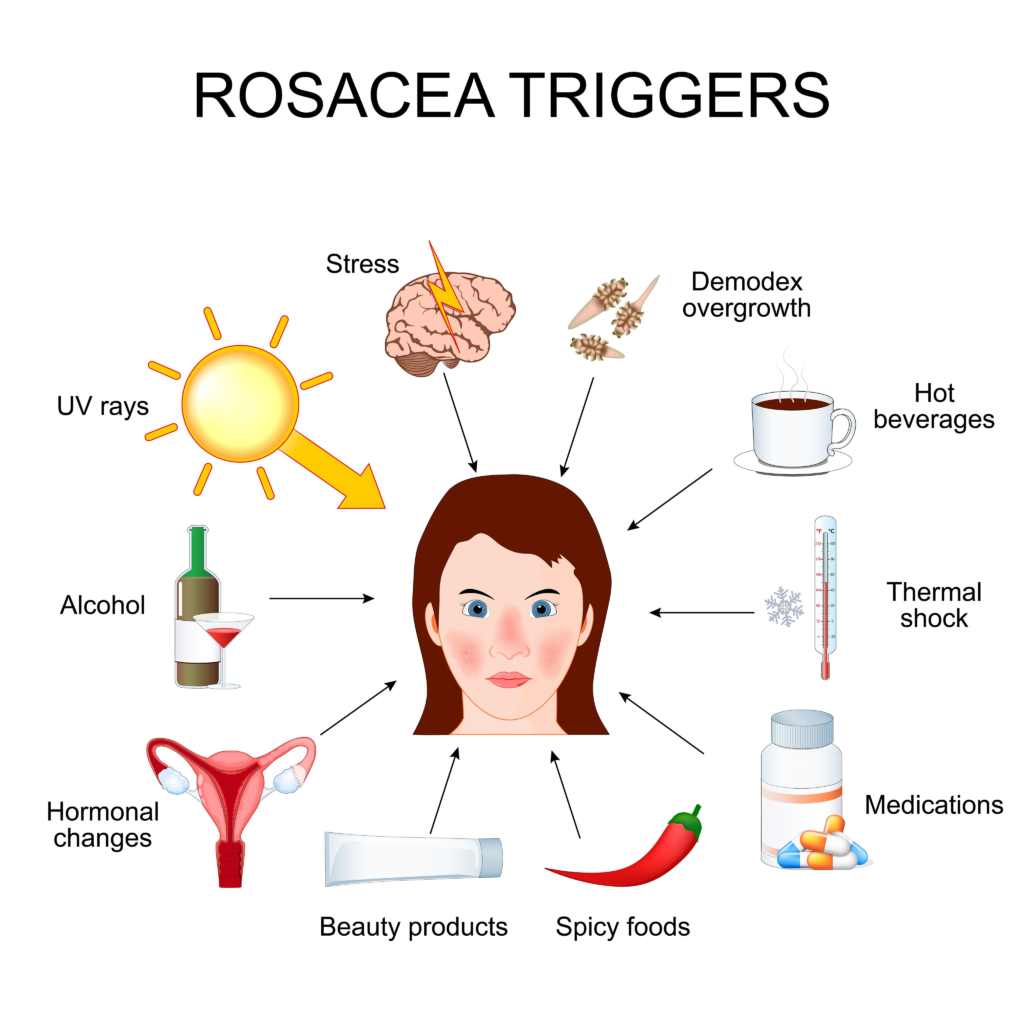
Acne, rosacea, eczema, and unexplained sensitivity frequently connect to internal stressors rather than surface-level mistakes. Hormonal fluctuations, gut health, sleep deprivation, and psychological stress all contribute to inflammatory skin responses.
According to Harvard Health Publishing, chronic stress elevates cortisol, increasing oil production and weakening immune defenses in the skin. This explains why even “perfect” routines fail during high-stress life periods.
Common lifestyle-related skin triggers include:
- Poor sleep quality
- Highly processed diets
- Excess alcohol consumption
- Chronic low-grade stress
Treating symptoms without addressing triggers often leads to frustration and product overload.
Consistency vs. Perfection: What Sustainable Routines Reveal
Wellness-driven skincare routines prioritize sustainability. They evolve slowly, respond to seasonal changes, and remain consistent during busy weeks. This adaptability often mirrors emotional regulation, time management skills, and realistic self-expectations.
Perfection-focused routines—rigid, trend-driven, and guilt-inducing—rarely last. In contrast, consistent routines suggest:
- Stable daily rhythms
- Respect for bodily signals
- Long-term health orientation
Skin thrives on predictability, just like the nervous system.
When Skincare Becomes a Wellness Check-In
For many Americans, skincare is one of the few daily moments of self-observation. Redness, dehydration, or dullness can prompt earlier lifestyle corrections—hydration, rest, nutrition—before more serious health issues develop.
Used this way, skincare becomes less about flaw correction and more about pattern recognition. The mirror becomes data, not judgment.
How to Align Your Skincare With Whole-Body Wellness
Rather than adding products, alignment often means subtracting stressors. Dermatologists increasingly recommend lifestyle audits alongside topical adjustments.
Evidence-based alignment strategies include:
- Prioritizing sleep consistency over new actives
- Drinking water before switching moisturizers
- Addressing stress before treating adult acne
- Using sunscreen as daily prevention, not reaction
When skincare supports wellness—not compensates for its absence—results become more predictable and less emotionally charged.
Frequently Asked Questions
1. Can my skincare routine really reflect my overall health?
Yes. Skin responds quickly to sleep, stress, hormones, hydration, and nutrition, often revealing internal imbalances early.
2. Is a long skincare routine unhealthy?
Not inherently, but complexity without professional guidance increases irritation risk and may signal stress-driven behavior.
3. Does skipping skincare mean poor self-care?
Not always. Time constraints, caregiving, or minimalism can shape routines without indicating neglect.
4. Why does my skin worsen during stressful periods?
Stress elevates cortisol, increases inflammation, and weakens the skin barrier, triggering breakouts and sensitivity.
5. Is sunscreen really a wellness indicator?
Yes. Regular sunscreen use aligns strongly with preventive health behaviors and long-term risk awareness.
6. Can diet changes improve skin more than products?
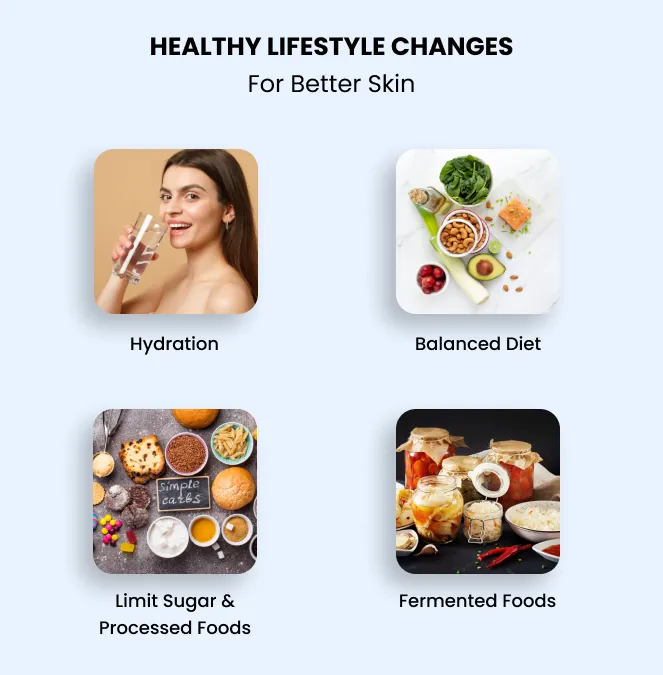
Often, yes. Hydration, omega-3 intake, and reduced ultra-processed foods significantly affect skin health.
7. Why do products stop working over time?
Lifestyle changes—stress, sleep, hormones—often alter skin needs more than product inefficacy.
8. How do I know if my routine is sustainable?
If it fits your lifestyle, adapts easily, and doesn’t cause guilt or irritation, it’s likely sustainable.
9. Should I change my routine during life transitions?
Yes. Pregnancy, menopause, new jobs, and aging all affect skin physiology and require adjustments.
The Quiet Signals Your Skin Sends Every Day
Your skincare routine doesn’t need to be perfect or impressive—it needs to be honest. Skin quietly reflects how you sleep, eat, manage stress, and recover. When you listen to those signals instead of fighting them, skincare becomes a practical wellness tool rather than another obligation.
Key Wellness Signals to Notice
- Consistency matters more than complexity
- Inflammation often starts internally
- Prevention reflects long-term thinking
- Sustainable habits outperform trend-driven fixes