
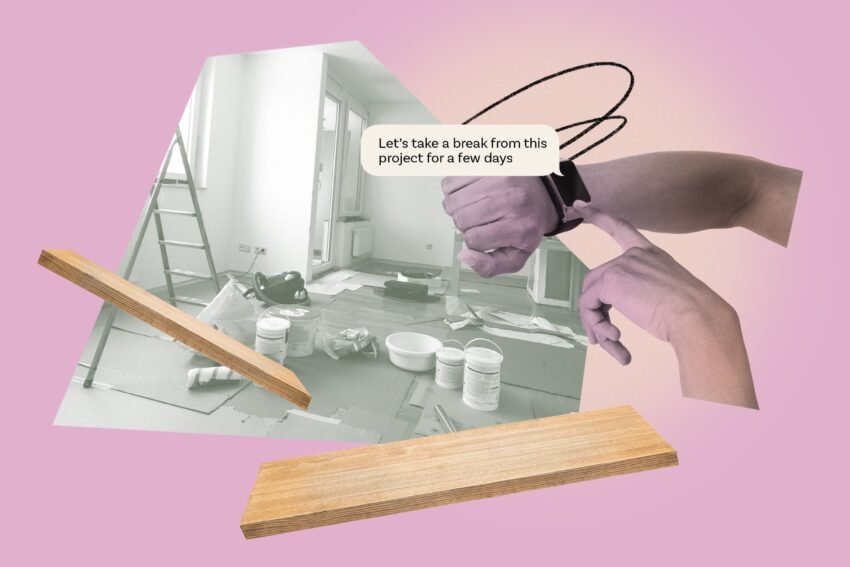
Most DIY mistakes aren’t about skill—they’re about planning, preparation, and expectations. Experienced homeowners often say their early projects took longer, cost more, and required more precision than they anticipated. This guide shares practical lessons seasoned DIYers wish they had known from the beginning, helping first-time project planners avoid costly, frustrating missteps.
Why First Projects Feel Harder Than They Should
Search queries like “Why did my DIY project turn out poorly?” or “How do I avoid beginner DIY mistakes?” are common for a reason. Many first-time projects don’t fail because of lack of effort. They fall short because of underestimated preparation, rushed execution, or incomplete research.
According to the National Association of Home Builders, craftsmanship quality strongly influences both long-term durability and perceived home value. Meanwhile, surveys from the National Association of Realtors show that visible DIY mistakes can negatively affect buyer confidence.
Experienced DIYers often look back and say the same thing: “I wish I understood the process better before I started.”
Here are the lessons they most often share.
1. Preparation Takes Longer Than the Visible Work
Beginners often assume the “project” is the painting, installing, or assembling part. Professionals—and seasoned DIYers—know that preparation is where quality is built.
For example, when painting:
- Cleaning walls
- Filling holes
- Sanding imperfections
- Caulking gaps
- Priming surfaces
These steps can take longer than applying the paint itself. Skipping prep is the fastest way to produce uneven finishes, peeling paint, or visible patchwork.
Experienced homeowners consistently report that slowing down at the beginning saves time later.
2. You’ll Spend More on Tools Than You Expect
Many first-time DIYers budget for materials but overlook tools. While you don’t need professional-grade equipment, the right tools matter.
A few examples:
- A quality level prevents crooked installations
- A stud finder avoids unnecessary wall damage
- An angled brush creates clean paint lines
- A proper caulking gun produces smooth, even seams
Improvised tools often produce amateur results. Investing in basic, reliable equipment pays off across multiple projects.
3. Building Codes and Permits Are Not Optional
Beginners sometimes assume small projects don’t require permits. However, electrical, plumbing, and structural changes frequently do.
The U.S. Consumer Product Safety Commission reports thousands of home improvement-related injuries each year. Many stem from improper electrical or structural work.
Experienced DIYers often say they wish they had understood local code requirements before starting. Checking with your municipality prevents costly corrections later.
4. Drying and Curing Times Matter More Than You Think
Paint that feels dry to the touch may not be fully cured. Adhesives need time to bond. Caulk requires proper setting time.
Rushing these stages can lead to:
- Peeling finishes
- Loose fixtures
- Cracked seams
Manufacturers provide specific timelines for a reason. Experienced DIYers learn patience early—or through costly mistakes.
5. Small Measurement Errors Multiply
A half-inch miscalculation in one board might seem minor. Across multiple cuts or installations, that error compounds.
Professionals follow the “measure twice, cut once” rule for good reason. Laser levels, measuring tapes, and careful marking reduce visible imperfections.
One experienced homeowner described installing floating shelves slightly off-level. The difference was small—but noticeable every day.
Precision affects long-term satisfaction.
6. Not Every Project Is a Good First Project
Some tasks appear simple online but involve complex skills.
Projects beginners often underestimate:
- Tile installation
- Drywall finishing
- Electrical panel work
- Structural wall removal
The U.S. Department of Energy recommends professional guidance for certain insulation or HVAC-related upgrades. Similarly, plumbing rerouting is rarely beginner-friendly.
Experienced DIYers advise starting with manageable tasks like:
- Painting
- Hardware replacement
- Weatherstripping
- Basic shelving
Confidence builds through incremental success.
7. Budget for Unexpected Costs
Even small projects often exceed initial estimates. Hidden damage, extra materials, or replacement parts add up.
Experienced DIYers typically add 10–20% to their projected budget for contingencies. This reduces stress when surprises arise.
Unexpected discoveries—such as water damage behind trim—are common in older American homes, many of which were built before modern moisture standards.
8. Clean-Up Is Part of the Project
Beginners often underestimate cleanup time. Dust, debris, paint splatter, and packaging require organization.
Professionals:
- Protect floors and furniture
- Seal off work areas
- Clean tools immediately after use
Maintaining order prevents damage and reduces post-project frustration.
9. Function Should Come Before Aesthetics
Early DIY projects often focus heavily on appearance. Experienced homeowners learn that functionality matters more.
Before installing decorative shelving, ensure proper wall anchoring. Before upgrading lighting fixtures, confirm adequate wiring and circuit capacity.
Homes that function well—through proper airflow, insulation, and lighting—deliver more long-term value than purely cosmetic upgrades.
10. Documentation Matters
Keeping receipts, warranties, and photos of improvements helps track maintenance history.
According to the National Association of Realtors, buyers appreciate documented home improvements.
Experienced DIYers often wish they had kept better records of materials and installation dates, especially for resale purposes.
Frequently Asked Questions
1. What is the biggest mistake first-time DIYers make?
Skipping preparation and underestimating the importance of precise measurements.
2. How do I know if a project is too advanced?
If it involves structural changes, gas lines, or complex electrical systems, consult a professional.
3. Should I invest in quality tools?
Yes. Reliable tools improve accuracy and long-term results.
4. How long should I plan for a project?
Most first projects take longer than expected—double your initial time estimate.
5. Are online tutorials enough?
They help, but always cross-check with manufacturer guidelines and local building codes.
6. How can I avoid overspending?
Create a detailed materials list and include a contingency buffer.
7. Is it normal to feel overwhelmed?
Yes. Breaking projects into smaller phases reduces stress.
8. Do small mistakes really matter?
Minor imperfections can become daily annoyances—attention to detail is key.
9. What’s the best beginner project?
Painting, replacing hardware, or installing simple shelving are manageable starting points.
The Long View: DIY as a Skill, Not a Shortcut
Experienced DIYers understand that home improvement is a learning process. The goal isn’t perfection on the first attempt—it’s steady improvement through disciplined planning and execution.
When beginners treat DIY as a craft rather than a shortcut, outcomes improve dramatically. Preparation, patience, and precision define professional-looking results more than raw talent.
Every successful project builds confidence for the next one.
Lessons That Save Time, Money, and Frustration
- Preparation often takes longer than execution
- Proper tools prevent visible mistakes
- Follow manufacturer curing timelines
- Start with manageable projects
- Budget for unexpected costs
- Prioritize function over cosmetic appeal
- Keep documentation for future reference