

Summary
Diet quality today is defined less by restriction and more by consistency, food variety, and overall eating patterns. Emerging nutrition research shows that nutrient density, minimally processed foods, and sustainable habits—rather than perfect adherence to a single diet—play the strongest role in long-term health outcomes for Americans.
Introduction: A Shift From “Dieting” to Dietary Patterns
For decades, Americans have been encouraged to follow specific diets—low-fat, low-carb, keto, paleo, plant-based—each promising better health through strict rules. Emerging nutrition research, however, paints a different picture. The conversation has shifted away from rigid frameworks and toward overall diet quality: what people eat most often, how foods are prepared, and how dietary habits fit into everyday life.
Diet quality is no longer measured by short-term weight change or adherence to a popular plan. Instead, researchers evaluate nutrient intake, food diversity, degree of processing, and long-term health outcomes such as cardiovascular health, metabolic function, and cognitive aging. This broader lens reflects a more realistic understanding of how Americans eat—and how health is actually influenced over time.
What “Diet Quality” Means in Modern Nutrition Science
Diet quality refers to how well a person’s overall eating pattern aligns with established nutritional needs and health outcomes. Rather than isolating single nutrients, researchers assess the total dietary pattern over weeks, months, and years.
High-quality diets tend to share several characteristics:
- Emphasis on whole or minimally processed foods
- Adequate intake of fiber, protein, healthy fats, vitamins, and minerals
- Limited reliance on ultra-processed foods high in added sugars and refined starches
- Balance across food groups rather than elimination
Tools like the Healthy Eating Index (HEI), used by U.S. researchers, score diets based on alignment with Dietary Guidelines for Americans. Studies consistently show that higher HEI scores are associated with lower risk of heart disease, type 2 diabetes, and premature mortality.
Importantly, diet quality is context-dependent. A high-quality diet for a busy working parent may look different from that of a retired adult—but both can meet nutritional needs.
Why Nutrient Density Matters More Than Calories Alone
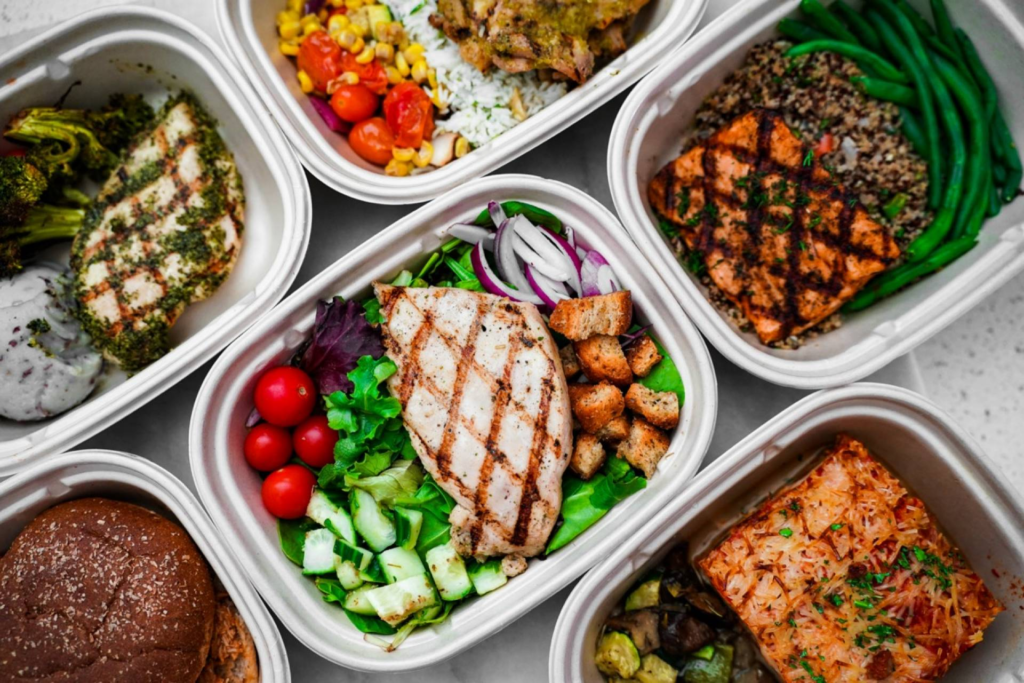
Calorie counting once dominated nutrition advice, but emerging research suggests calories tell only part of the story. Two diets with identical calorie counts can produce very different health outcomes depending on nutrient density.
Nutrient-dense foods deliver more vitamins, minerals, fiber, and beneficial compounds per calorie. Examples include vegetables, fruits, legumes, whole grains, nuts, seeds, lean proteins, and dairy or fortified alternatives.
In contrast, calorie-dense but nutrient-poor foods—such as sugary snacks, refined baked goods, and many packaged convenience foods—can displace essential nutrients even if calorie intake appears reasonable.
Research shows that Americans who consume higher nutrient density diets tend to experience:
- Better blood sugar regulation
- Improved cholesterol profiles
- Greater satiety and appetite control
- Lower inflammation markers
The takeaway is not that calories are irrelevant, but that quality within those calories matters far more than previously emphasized.
The Role of Food Processing in Diet Quality
One of the strongest predictors of diet quality today is the level of food processing. Ultra-processed foods—defined as industrial formulations with additives, emulsifiers, and refined ingredients—now account for more than half of the average American’s calorie intake.
Emerging evidence links high consumption of ultra-processed foods to increased risk of obesity, cardiovascular disease, depression, and all-cause mortality. These associations persist even when total calorie intake is similar.
That said, not all processed foods are equal. Frozen vegetables, canned beans, plain yogurt, and whole-grain breads are processed yet can support high-quality diets. The key distinction lies in whether processing enhances convenience and safety or primarily improves shelf life and palatability at the expense of nutrition.
A practical rule used by many dietitians is to focus on ingredient lists that resemble home kitchens rather than laboratories.

Protein Quality and Distribution Across the Day
Protein has gained renewed attention, not just in quantity but in quality and timing. Research increasingly shows that spreading protein intake evenly throughout the day supports muscle maintenance, metabolic health, and healthy aging.
High-quality protein sources include:
- Lean meats and poultry
- Fish and seafood
- Eggs
- Dairy products
- Soy, legumes, and other plant-based proteins
For many Americans, protein intake is heavily skewed toward dinner. Emerging research suggests that incorporating moderate protein at breakfast and lunch can improve satiety and reduce overeating later in the day.
This shift doesn’t require supplements or extreme changes—simple adjustments like adding eggs, Greek yogurt, beans, or leftovers to earlier meals can meaningfully improve diet quality.
Fiber: A Defining Marker of High-Quality Diets
Fiber intake remains one of the clearest indicators of diet quality, and one of the largest gaps in American nutrition. Fewer than 10% of Americans meet recommended fiber intake levels.
Fiber supports:
- Digestive health
- Blood sugar control
- Cholesterol management
- Gut microbiome diversity
High-fiber diets are consistently associated with lower risk of chronic disease. Foods rich in fiber include vegetables, fruits, whole grains, legumes, nuts, and seeds.
Emerging research also highlights the importance of fiber diversity. Consuming fiber from multiple plant sources appears more beneficial than relying on a single food or supplement.
Healthy Fats and the Decline of Fat Fear
Nutrition science has largely moved past the idea that dietary fat is inherently harmful. Instead, fat quality now plays a central role in diet assessments.
Diets higher in unsaturated fats—such as those from olive oil, avocados, nuts, seeds, and fatty fish—are linked to improved cardiovascular outcomes and metabolic health. Meanwhile, trans fats and excessive saturated fats remain associated with higher disease risk.
The shift is subtle but important: fat is no longer viewed as something to minimize, but something to choose wisely and use appropriately.
How Cultural and Lifestyle Factors Shape Diet Quality
Diet quality does not exist in a vacuum. Work schedules, food access, cultural traditions, and economic realities all influence eating patterns.
Emerging research emphasizes flexibility and cultural relevance. Diets that honor cultural food traditions while emphasizing balance and nutrient density tend to be more sustainable and effective than prescriptive, one-size-fits-all approaches.
For example:
- Traditional Mexican diets rich in beans, vegetables, and whole grains score highly for diet quality
- Mediterranean-style patterns emphasize shared meals, olive oil, seafood, and vegetables
- Regional American diets can support health when processed foods are minimized and cooking methods are balanced
Sustainability—both personal and environmental—is increasingly considered part of diet quality, reflecting broader health outcomes beyond individual nutrients.
Common Questions Americans Ask About Diet Quality
Many people want to improve their eating habits but are unsure where to start. Research suggests that focusing on small, repeatable changes yields better long-term results than radical overhauls.
Improving diet quality often means:
- Adding foods rather than removing them
- Building meals around plants and protein
- Reducing reliance on packaged convenience foods
- Paying attention to consistency rather than perfection
Frequently Asked Questions
What is the simplest way to improve diet quality?
Start by adding more vegetables, fruits, and whole foods to meals you already eat regularly.
Do I need to follow a specific diet plan?
No. Research shows overall eating patterns matter more than adherence to named diets.
Are carbohydrates bad for diet quality?
Carbohydrates from whole grains, fruits, and vegetables support high-quality diets.
How much protein do most adults need?
Needs vary, but spreading moderate protein intake across meals is generally beneficial.
Is organic food necessary for good diet quality?
Organic foods can be beneficial but are not required for a high-quality diet.
How important is meal timing?
Regular meals with balanced nutrients support better metabolic health than irregular eating.
Are supplements needed for a high-quality diet?
Most nutrients should come from food; supplements may help when deficiencies exist.
Can diet quality improve without cooking more?
Yes. Strategic use of minimally processed convenience foods can still support quality.
Does diet quality affect mental health?
Growing research links higher diet quality to improved mood and cognitive health.
A More Practical Definition of Eating Well Today
Diet quality today reflects how people eat over time, not how perfectly they follow rules. Emerging nutrition research supports a realistic, inclusive approach—one that values consistency, nutrient density, cultural relevance, and sustainability.
High-quality diets are not built on restriction or trends. They are built through everyday decisions that prioritize whole foods, balance, and enjoyment. For Americans navigating busy lives, this shift offers something increasingly rare in nutrition advice: clarity without rigidity.
Key Concepts to Keep in Mind
- Diet quality is about patterns, not perfection
- Nutrient density matters more than calorie counting
- Minimally processed foods support better outcomes
- Sustainable habits outperform short-term plans