
SUMMARY
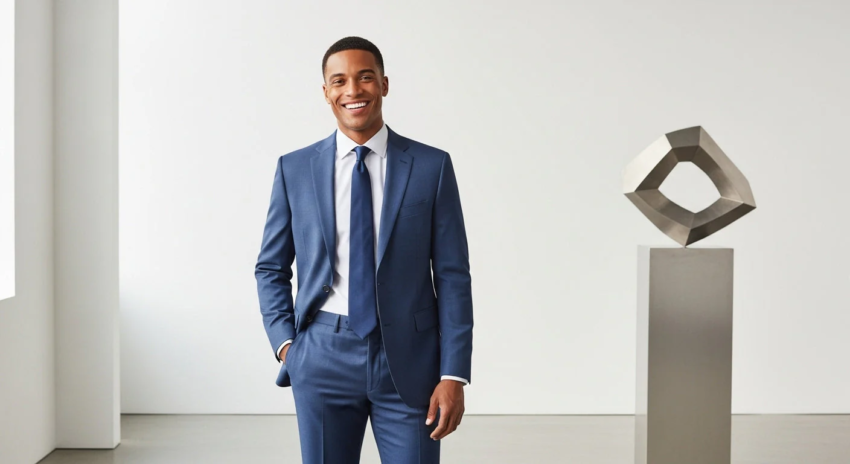
American men are rethinking how they dress, prioritizing comfort, versatility, and long-term value over trend-chasing. Driven by remote work, lifestyle changes, and greater awareness of fit and quality, today’s wardrobe reflects practicality with quiet sophistication. This shift explains not just what men wear now, but why those choices feel more intentional than ever.
A Noticeable Shift in How American Men Dress
Walk through any U.S. city—whether it’s New York, Austin, Chicago, or Seattle—and the change is clear. Men’s fashion looks calmer, more functional, and less performative than it did a decade ago. Logos are subtler. Fits are relaxed but intentional. Sneakers appear where dress shoes once dominated, and tailored blazers are paired with knit tees rather than pressed button-downs.
This isn’t about men abandoning style. It’s about redefining it. American men are choosing clothes that work across more situations: professional, social, and personal. The modern wardrobe reflects real life, not aspirational fantasy.
At the center of this shift is a simple question men are asking more often: Does this actually fit how I live?
Why Comfort Has Become Non-Negotiable
Comfort has always mattered, but it used to be secondary to appearance. That hierarchy has flipped. Remote and hybrid work normalized casual dressing, and many men discovered they could look polished without sacrificing ease.
Stretch fabrics, soft knits, elasticized waistbands, and breathable materials are now standard across categories—from chinos to blazers. According to industry research from firms like McKinsey, consumer demand for comfort-driven apparel surged during the early 2020s and has remained strong since.
Men are no longer willing to tolerate stiff collars, restrictive tailoring, or heavy fabrics that feel disconnected from daily life. Comfort isn’t seen as lazy—it’s seen as practical.
The Rise of “Everyday Versatility”
One of the most defining characteristics of what American men are wearing now is versatility. Clothing is expected to move seamlessly from one context to another.
A lightweight overshirt might function as:
- A casual office layer
- Weekend outerwear
- A travel-friendly alternative to a jacket
Similarly, clean sneakers now appear in environments once reserved for loafers or oxfords. The key difference is intention. These aren’t gym shoes; they’re minimal, well-constructed pairs designed to complement tailored clothing.
Men want fewer pieces that do more. This mindset has fueled interest in capsule wardrobes and modular dressing, especially among men in their 30s and 40s juggling work, family, and social commitments.

Fit Is Replacing Trend as the Status Signal
Trends still exist, but they no longer dominate decision-making. Fit has become the most visible indicator of style awareness.
American men are increasingly:
- Choosing tailored or tailored-adjacent fits
- Avoiding extremes (overly slim or excessively oversized)
- Paying attention to sleeve length, rise, and proportions
This shift reflects a more mature approach to style. Well-fitting basics project confidence without drawing attention. It’s also more inclusive, accommodating different body types and ages without relying on fashion cycles.
The popularity of made-to-measure services and local tailoring reinforces this movement. Men are investing modestly in alterations rather than constantly replacing clothes.
Casualization of the American Workplace
Even in traditionally formal industries, dress codes have softened. Business casual has evolved into something more fluid and less defined.
Instead of rigid rules, offices now emphasize:
- Clean presentation
- Quality materials
- Appropriateness for meetings or client interaction
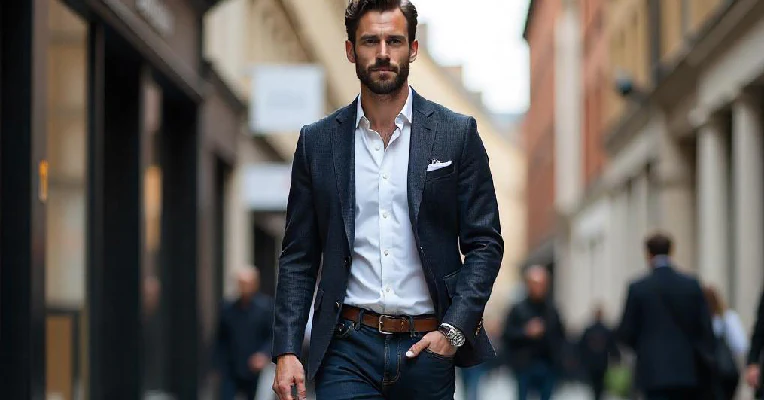
Unstructured blazers, knit polos, premium denim, and hybrid dress sneakers have become staples. The emphasis is on looking competent and put-together without appearing overdressed.
This change reflects broader cultural shifts in American work life, where flexibility and individuality are valued alongside professionalism.
Materials Matter More Than Ever
Men are paying closer attention to what their clothes are made of. Fabric literacy—once limited to enthusiasts—is becoming mainstream.
Common preferences include:
- Natural fibers like cotton, wool, and linen
- Performance blends that improve durability and comfort
- Fabrics that age well rather than degrade quickly
Sustainability also plays a role, though often quietly. Many men prioritize longevity over overt eco-labeling. Buying fewer, better-made items feels both economical and responsible.
This materials-first mindset aligns with rising costs of living. When clothing prices increase, expectations rise with them.
Subtle Style Over Statement Dressing
American men today favor restraint. Loud patterns, oversized logos, and novelty designs feel less relevant to daily life.
Instead, style shows up through:
- Texture (knits, twills, brushed fabrics)
- Muted, adaptable color palettes
- Thoughtful layering
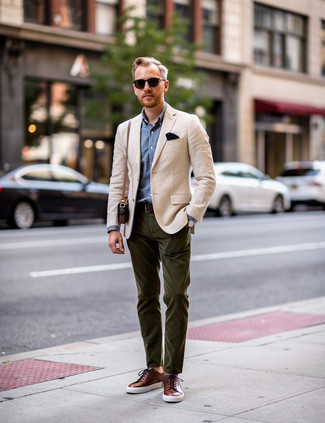
Earth tones, navy, gray, olive, and off-white dominate wardrobes because they mix easily and work year-round. This approach reduces decision fatigue and increases outfit reliability.
The result is a quieter aesthetic that still communicates taste and intention.
How Age and Life Stage Influence Wardrobe Choices
Men’s fashion choices increasingly reflect life stage rather than age alone. A 28-year-old remote worker and a 45-year-old executive might dress similarly if their lifestyles overlap.
That said, men in their 30s and 40s often prioritize:
- Durability over novelty
- Comfort without sacrificing structure
- Clothes that work for family life, travel, and social events
Younger men tend to experiment more with relaxed silhouettes and vintage influences, while older men gravitate toward refinement and consistency. The overlap between these groups is wider than ever.
The Influence of Media and Real-World Inspiration
Men are no longer looking exclusively to runways for guidance. Inspiration comes from real people—colleagues, public figures, and creators who dress for everyday life.
Platforms like YouTube and long-form editorial sites play a significant role by offering practical guidance rather than trend forecasts. Men want explanations, not prescriptions. They’re interested in why something works, not just what to buy.
This educational approach has reshaped men’s fashion content and, in turn, consumer behavior.
What This Shift Says About Modern Masculinity
At a deeper level, the way American men dress reflects evolving ideas about masculinity. Practicality, self-awareness, and adaptability are valued over rigidity.
Choosing comfortable, well-fitting clothing isn’t seen as indulgent—it’s seen as smart. Investing in quality basics isn’t flashy, but it signals confidence and self-respect.
Fashion, for many men, has become a tool for clarity rather than performance.
Frequently Asked Questions
Why are American men dressing more casually now?
Changes in work culture, especially remote and hybrid work, have reduced the need for formal attire while increasing demand for comfort and versatility.
Are suits becoming obsolete in the U.S.?
No, but they’re worn less frequently. When suits are worn, they’re often softer in structure and styled more casually.
What colors are most popular in men’s fashion right now?
Neutral and earth tones—navy, gray, olive, beige, and off-white—dominate because they’re easy to mix and appropriate for many settings.
Is fast fashion losing relevance for men?
Many men are moving away from fast fashion in favor of fewer, higher-quality items that last longer and feel better to wear.
How important is tailoring today?
Very important. Even casual clothing benefits from proper fit, and tailoring is seen as a practical investment.
What footwear styles are most common now?
Minimal sneakers, hybrid dress shoes, and comfortable boots are widely worn across professional and casual environments.
Do trends still matter in men’s fashion?
They exist, but most men prioritize personal utility and fit over following trends closely.
How can men update their wardrobe without starting over?
By replacing worn basics with better-quality versions and focusing on fit, fabric, and versatility.
Is sustainability influencing men’s fashion choices?
Yes, often indirectly. Longevity and quality are preferred over disposable clothing.
Where Men’s Style Is Quietly Headed Next
American men aren’t dressing to impress as much as they are dressing to function well in their own lives. The emphasis on comfort, adaptability, and restraint suggests a future where wardrobes feel less cluttered and more intentional. Style is becoming less about making statements and more about making sense.
The Big Picture, Simplified
- Comfort now sets the baseline for acceptable clothing
- Versatility reduces wardrobe complexity
- Fit communicates confidence more than trends
- Quality and materials drive purchasing decisions