

In 2026, immersive extended-stay travel—often called Slow Travel 2.0—has become the top trend among U.S. travelers. Instead of racing through cities, Americans are choosing longer stays, neighborhood living, and cultural connection. We tested this approach over six weeks. The result? Lower stress, deeper relationships, surprising cost control, and a completely different definition of what a “great vacation” means.
Why Travel in 2026 Feels Different
If you’ve searched for travel inspiration recently, you’ve probably noticed a shift. The language has changed. Instead of “top 20 attractions,” you’re seeing phrases like:
- Live like a local
- Extended stay travel
- Intentional vacations
- Digital detox trips
- Cultural immersion experiences
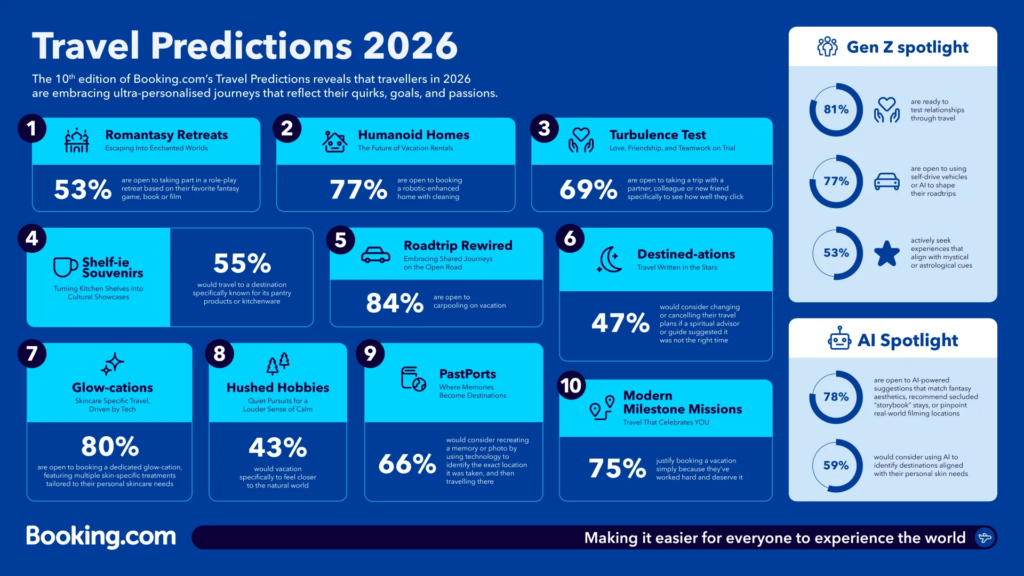
According to 2026 travel industry outlooks from major booking platforms and research firms, U.S. travelers are prioritizing experience depth over destination count. Reports from Expedia Group and Deloitte show continued growth in longer stays and blended work-leisure trips, often called “bleisure” travel. Skift Research has also highlighted that travelers increasingly value emotional resonance and personal growth over sightseeing volume.
In simple terms: people don’t want more travel. They want better travel.
That’s what led us to try the #1 trending travel approach of 2026—Slow Travel 2.0.
What Is Slow Travel 2.0?
Slow travel isn’t brand new. But in 2026, it has evolved into something more intentional and lifestyle-oriented.
Slow Travel 2.0 typically includes:
- Staying 2–6 weeks in one destination
- Choosing residential neighborhoods over hotel districts
- Integrating remote work or creative projects
- Shopping at local markets
- Participating in community events
- Reducing flights and transit stress
It’s not about doing nothing. It’s about doing fewer things more deeply.
And that’s exactly what we tested.
Our Six-Week Experiment
Instead of our usual 10-day, multi-city itinerary, we booked:
- Three weeks in Charleston
- Three weeks in Lisbon
We chose Charleston for its walkability, culture, and Southern hospitality. Lisbon was selected because it continues to trend among Americans for affordability, climate, and remote-work friendliness.
We committed to:
- No overpacked itineraries
- No daily attraction checklists
- Limited pre-booked tours
- Living as residents, not visitors
Here’s what happened.
Week 1: The Detox Phase
The first few days were uncomfortable.
We kept feeling like we weren’t “doing enough.”
No museum rush.
No back-to-back tours.
No urgent sightseeing.
Instead, we:
- Walked the same streets repeatedly
- Found a favorite coffee shop
- Cooked breakfast most mornings
- Explored one small area per day
By day five, something shifted.
Our nervous systems slowed down.
The constant low-grade urgency that usually accompanies travel disappeared.
We weren’t racing the clock.
Week 2–3: The Integration Phase
In Charleston, we rented a small home in a residential neighborhood rather than downtown.
This changed everything.
We started recognizing neighbors.
Local shop owners greeted us by name.
We attended a community art event we never would have found online.
Instead of “consuming Charleston,” we participated in it.
And the same thing happened in Lisbon.
Rather than cramming in Belém Tower, Alfama, and Sintra in 48 hours, we spaced experiences across two weeks. We took public transit. We practiced Portuguese phrases. We visited neighborhood markets instead of relying on tourist cafés.
Travel began to feel less like escape—and more like expanded living.
What Shocked Us Most
We expected lower stress.
We expected deeper cultural exposure.
We didn’t expect an identity shift.
By week three, we stopped counting days.
We built routines:
- Morning coffee walks
- Weekly market visits
- Evening neighborhood strolls
- Dedicated work blocks followed by relaxed exploration
The shock wasn’t that we enjoyed it.
The shock was that we didn’t want to go back to fast travel.
Does Extended Travel Save Money?
One of the most common questions Americans are asking in 2026 is:
“Is slow travel cheaper than traditional vacations?”
The answer: it depends—but often yes.
Where we saved:
- Fewer flights (major cost reduction)
- Discounted long-stay accommodations
- Reduced rideshare usage
- More home-cooked meals
- Less impulse spending on “must-see” attractions
Where costs can increase:
- Choosing luxury long-term rentals
- Dining out daily
- Booking premium experiences frequently
Overall, our daily cost average dropped compared to previous short, high-intensity trips.
But the biggest savings weren’t financial.
They were emotional.
Mental Health Benefits We Didn’t Expect
Searches for “travel burnout,” “vacation anxiety,” and “why am I tired after vacation” have increased significantly in recent years.
Fast travel often involves:
- Early flights
- Tight schedules
- Constant navigation decisions
- Social media pressure
Slow Travel 2.0 removes most of that.
We experienced:
- Better sleep patterns
- Reduced decision fatigue
- Increased mindfulness
- A deeper sense of presence
Travel stopped being stimulation overload. It became restorative.
Is This Trend Replacing Traditional Vacations?
Not entirely.
Fast travel still works well for:
- Bucket-list landmarks
- Short PTO windows
- Event-based trips
- Group reunions
However, many Americans are now choosing:
- One extended immersive trip
instead of - Three rushed weekend escapes
Quality over quantity is becoming the new standard.
Who Is This Trend Best For?
While anyone can try slow travel, it works especially well for:
- Remote workers
- Freelancers
- Retirees
- Couples without school-aged children
- Entrepreneurs
- Creatives
Families are adapting it too, especially during summer breaks.
Common Mistakes to Avoid
If you’re considering trying this trend, avoid these pitfalls:
- Overplanning long stays
- Staying too far from walkable neighborhoods
- Ignoring visa regulations
- Treating every day like a special event
- Not budgeting weekly
Slow travel requires a mindset shift, not just itinerary changes.
How to Plan Your First Extended Stay Trip
Here’s a practical framework:
1. Choose Lifestyle-Compatible Cities
Look for:
- Walkability
- Public transportation
- Strong local food culture
- Reliable internet
2. Stay in Residential Areas
Neighborhood immersion is key.
3. Plan Only 40–50% of Your Days
Leave space for spontaneity.
4. Budget Weekly Instead of Daily
Shift from “vacation spending” to “temporary living.”
5. Learn Basic Local Phrases
Connection begins with effort.
The Downsides No One Talks About
To be transparent, slow travel isn’t perfect.
Challenges include:
- Homesickness around week three
- Work-life boundary issues for remote workers
- Missing the adrenaline rush of fast sightseeing
- Feeling “in-between” tourist and local
But for us, the benefits far outweighed the downsides.
10 Frequently Asked Questions About the #1 Travel Trend of 2026
1. What is the biggest travel trend in 2026?
Extended, immersive stays focused on cultural connection and intentional living.
2. How long should a slow travel trip be?
Two weeks minimum; 3–6 weeks ideal.
3. Is slow travel more affordable?
Often yes per day, especially with fewer flights and long-stay discounts.
4. Can families try slow travel?
Yes—especially during school breaks or summer holidays.
5. Is slow travel safe internationally?
Yes, with proper research, travel insurance, and compliance with visa regulations.
6. Do you get bored staying in one place?
Surprisingly, no. Depth replaces novelty.
7. Does slow travel reduce stress?
Many travelers report significant reductions in travel anxiety.
8. How do remote workers manage productivity?
By setting fixed work hours and creating a daily routine.
9. Is slow travel environmentally friendly?
Fewer flights generally mean a smaller carbon footprint.
10. Is this trend likely to continue beyond 2026?
Industry data suggests immersive, experience-focused travel will continue growing as hybrid work remains common.
Key Takeaways
- Slow Travel 2.0 is the #1 trending U.S. travel approach in 2026.
- Longer stays create deeper emotional connection.
- Fewer flights often reduce both stress and cost.
- Intentional planning improves mental well-being.
- Quality experiences outperform rushed sightseeing.
- The trend aligns with remote work flexibility.
- Neighborhood living transforms how destinations feel.
- Sustainability improves when travel slows down.
- Extended stays build routine and belonging.
- This isn’t just a travel shift—it’s a lifestyle shift.
Final Verdict: Would We Do It Again?
Absolutely.
Slow Travel 2.0 didn’t just change our itinerary.
It changed our relationship with time.
Instead of collecting attractions, we built memories.
Instead of rushing through cities, we connected with them.
And in a world that feels faster every year, slowing down may be the most radical—and rewarding—travel decision you can make in 2026.