
Summary
Sustainable fitness is reshaping how Americans think about exercise—shifting away from high-intensity, “all-or-nothing” workouts to routines grounded in consistency, recovery, and long-term health. By prioritizing movement you can maintain indefinitely—without burnout—you’re more likely to build strength, avoid injury, and stay active into later life. This article explores why less can often be more in fitness.
What Is Sustainable Fitness and Why It Matters
For decades, mainstream fitness culture has equated hard work with high intensity, frequent sessions, and rapid results. In contrast, sustainable fitness is about creating routines that you can maintain week after week, year after year, without overwhelming your body or your schedule.
At its core, sustainable fitness is balanced, enjoyable, and flexible—allowing room for rest, recovery, and life’s other demands. Instead of chasing exhaustion, it focuses on consistency and longevity. This approach matters because sustainable routines are far more likely to become lifelong habits that improve overall health and well-being.
The Pitfalls of “More Is Better”
Many people start their fitness journey with enthusiasm—pushing to train harder, longer, and more often. Unfortunately, this “more is better” mentality can lead to:
- Overtraining and burnout
- Injury from insufficient recovery
- Inconsistent motivation
- Long gaps between workouts due to fatigue
Medical guidance shows that balanced training includes strength, aerobic activity, core, balance, and flexibility components—spread throughout the week rather than concentrated into overly intense sessions.
Rather than judging workouts by how sore you feel, sustainable fitness asks: Can you recover, grow stronger, and enjoy the process? Most sustainable routines prioritize consistency over extremes.

How Doing Less Often Works Better
The Science of Recovery
Rest and recovery are essential, not optional. Muscles grow stronger in the periods between workouts, not during them. When you repeatedly push yourself to exhaustion without adequate recovery, you risk:
- Weakened immune function
- Hormonal imbalance
- Muscle fatigue or injury
- Mental burnout
Balancing workout intensity with recovery ensures that your body adapts progressively, reducing injury risk and improving performance over time.
Quality Over Quantity
Sustainable fitness prioritizes intentional movement:
- Targeted strength training two to three times weekly
- Moderate aerobic sessions spread out through the week
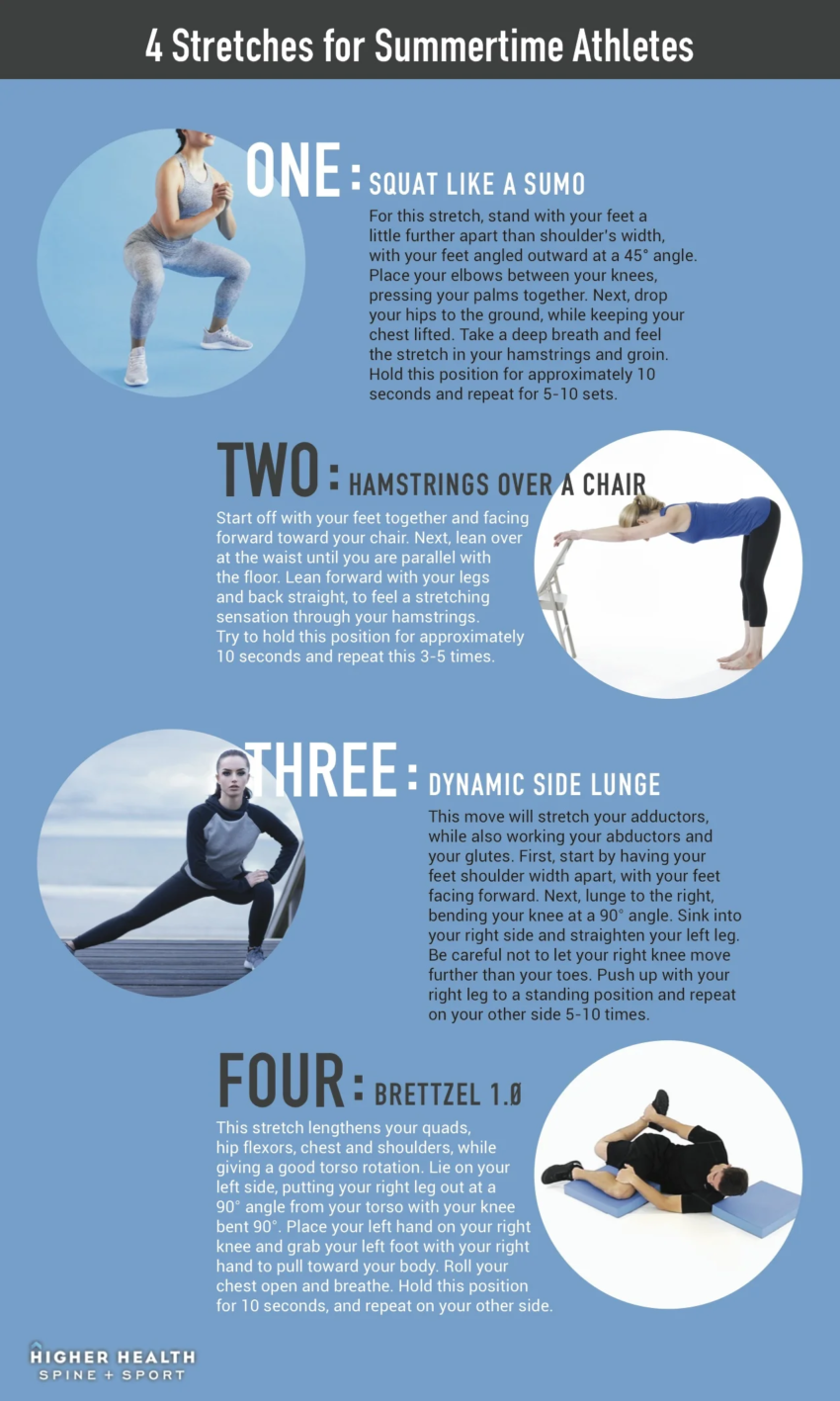
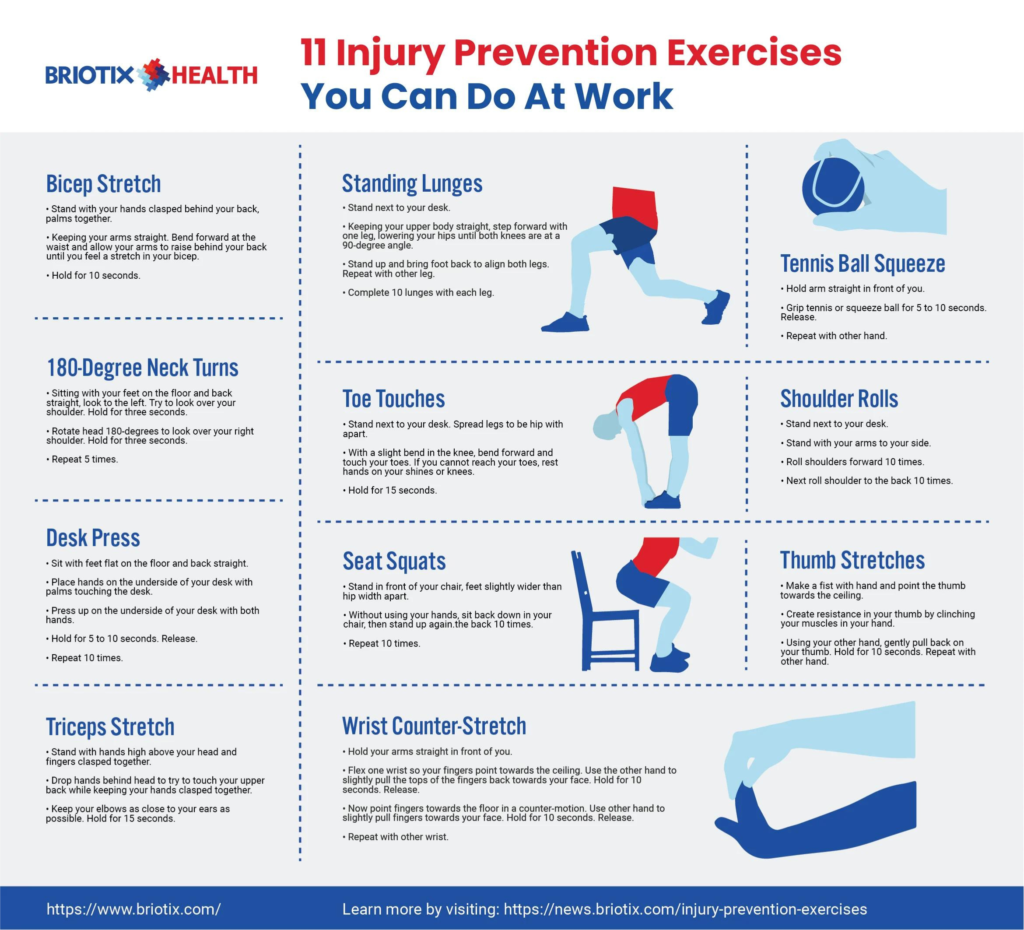
- Mobility work and flexibility training
These components produce real results without demanding daily hours in the gym or intense strain on the body.
Real-World Practice: What Sustainable Routines Look Like
Here are practical, balanced ways people integrate fitness sustainably into everyday life:
Example 1: A Busy Professional
• 30 minutes of strength training (2 days/week)
• 20 minutes brisk walk (3 days/week)
• Stretching and mobility (daily, 10 minutes)
Example 2: A Parent Balancing Family and Fitness
• Family bike rides on weekends (60 minutes)
• Bodyweight strength routines at home (2–3 sessions/week)
• Short morning walks before work
Example 3: Older Adults Prioritizing Longevity
• Balance and flexibility exercises (daily)
• Low-impact aerobic sessions (walking or swimming)
• Strength training focused on joint stability
Across these examples, the common theme is consistency—not intensity. Each routine is structured to fit life’s demands while delivering sustainable health benefits.
The Role of Intensity—Not Eliminated, But Moderated
Sustainable fitness isn’t about avoiding challenge; it’s about moderating intensity strategically. For example:
- Use interval training sparingly rather than daily
- Alternate high-effort sessions with lighter mobility or low-impact days
- Leave “a little in the tank” to encourage recovery and prevent overexertion.
This approach allows you to train hard when necessary—but never at the expense of long-term well-being.
Why Sustainable Fitness Works Better Long Term
Here are some of the key reasons sustainable fitness delivers better results:
- Lower injury rates than high-intensity, high-frequency training.
- Better energy management throughout busy weeks.
- Increased likelihood of habit formation because routines are realistic.
- Fewer emotional hurdles since workouts feel manageable.
When you design a routine that fits your life, you’re far more likely to stick with it—and that’s where real, meaningful progress happens.

Frequently Asked Questions
1. What counts as sustainable fitness?
Sustainable fitness means exercise that supports consistent participation over months and years without leading to injury or burnout.
2. How much should I work out each week?
Guidelines recommend at least 150 minutes of moderate or 75 minutes of vigorous activity per week, spread out with recovery in between.
3. Can I build muscle with a sustainable routine?
Yes—strength training 2–3 times a week with progressive overload can build muscle without daily intense workouts.
4. Does sustainable fitness mean slow workouts?
Not necessarily—workouts can be varied in intensity, but the key is balancing intensity with adequate recovery.
5. How do I avoid overtraining?
Listen to your body, schedule rest days, and adjust intensity based on energy and recovery.
6. Is walking really effective exercise?
Absolutely. Brisk walking improves cardiovascular health and boosts daily activity in a sustainable way.
7. What should beginners focus on?
Focus on consistency, proper form, and manageable durations rather than maximal effort.
8. How does sustainable fitness fit into a busy schedule?
Shorter sessions, low-impact activities, and flexible timing make fitness achievable even in tight schedules.
9. Can sustainable training help weight management?
Yes—regular moderate exercise combined with balanced nutrition supports long-term weight management.
10. Do elite athletes use sustainable training?
Yes—most professionals integrate recovery and periodization to avoid injury and maintain peak performance.
Building Fitness that Lasts
Sustainable fitness isn’t a trend—it’s a smart way to integrate physical activity into your life permanently. When your workouts are consistent, enjoyable, and balanced with rest, you’re setting the foundation for lifelong health rather than short-lived bursts of effort.
Key Points from This Article
• Sustainable fitness emphasizes consistency over intensity
• Recovery is as vital as effort
• Real success comes from routines you can maintain
• Sustainable fitness reduces injury and burnout risk
• Practical examples show how to fit fitness into everyday life