
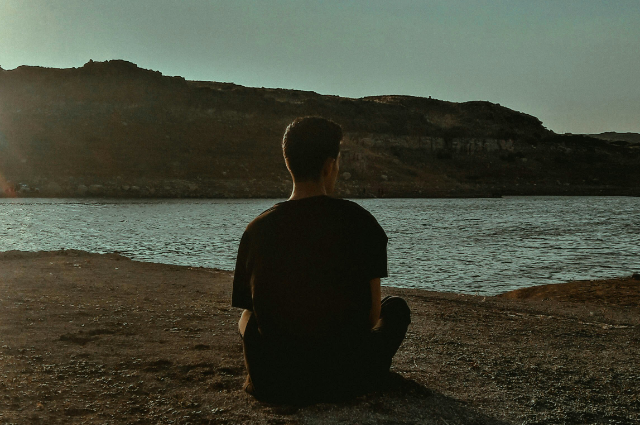
“Quiet travel” reflects a growing shift among Americans toward slower, less-crowded destinations that prioritize space, nature, and meaningful experiences over packed itineraries. Driven by overtourism, remote work flexibility, rising costs, and mental health awareness, travelers are choosing national park alternatives, small towns, and shoulder-season trips. Here’s why the trend is accelerating—and how to plan a quieter trip effectively.
What Is “Quiet Travel”?
“Quiet travel” is not a formal industry term, but it has become shorthand for a recognizable behavioral shift: Americans deliberately choosing destinations that are less crowded, less commercialized, and less schedule-driven.
Unlike traditional bucket-list tourism, quiet travel emphasizes:
- Fewer stops, longer stays
- Smaller cities and rural landscapes
- Off-peak timing
- Nature-based or reflective experiences
- Reduced digital and social noise
It’s less about “seeing everything” and more about experiencing a place without constant friction—lines, traffic, sold-out reservations, or social media pressure.
According to the U.S. Travel Association, domestic leisure travel remains dominant, but visitor patterns show dispersion away from major gateway cities. Meanwhile, data from the National Park Service indicate that while flagship parks continue to draw large crowds, secondary parks are experiencing steady year-over-year growth.
The shift is measurable—and it’s intentional.
Why Are Americans Seeking Less-Crowded Destinations?
Americans are not withdrawing from travel. They’re recalibrating it.
1. Overtourism Fatigue
Many travelers who visited major European capitals or iconic U.S. landmarks in peak season over the past few years report similar frustrations:
- Long entry lines
- Timed reservations booked months out
- Overcrowded streets
- Inflated peak pricing
For example, peak summer conditions at Yosemite National Park or central Venice often require advanced logistics that feel more like event planning than vacation.
Quiet travel responds to that fatigue. It offers breathing room.
2. Mental Health and Burnout Awareness
Post-pandemic research from organizations such as the American Psychological Association highlights sustained levels of stress and burnout among working adults. Travel is increasingly seen as restoration—not stimulation.
Destinations that provide:
- Natural soundscapes
- Walkable environments
- Limited crowd density
- Slower daily pacing
are perceived as emotionally restorative.
A long weekend in Marfa or Bar Harbor often delivers more decompression than a tightly scheduled city itinerary.
3. Remote and Hybrid Work Flexibility
Flexible work arrangements allow Americans to:
- Travel midweek
- Extend stays to 10–14 days
- Avoid peak holiday congestion
This enables shoulder-season visits to destinations such as Santa Fe or Traverse City, where early fall offers ideal weather with lower visitor density.
Travel is no longer confined to school breaks and federal holidays.
4. Cost Awareness
Crowds often correlate with higher prices. Airfare, hotel rates, and attraction tickets spike during peak periods.
Travelers are responding by:
- Booking in April, May, September, and October
- Choosing regional airports
- Opting for state parks over marquee attractions
Value is not only financial—it includes time saved and stress avoided.
Where Americans Are Going for Quiet Travel
Quiet travel doesn’t mean obscure or inaccessible. It means intentional selection.
1. Lesser-Known National Parks
While Grand Canyon National Park remains iconic, many travelers are exploring alternatives such as:
- Great Basin National Park
- Capitol Reef National Park
- Isle Royale National Park
These parks offer:
- Lower daily visitor counts
- Easier campsite availability
- Dark-sky viewing opportunities
- Reduced shuttle and permit pressure
The experience feels immersive rather than crowded.
2. Small Mountain and Coastal Towns
Instead of Aspen or Miami, Americans are gravitating toward:
- Sandpoint
- Camden
- Eureka Springs
These towns combine outdoor access with local character. Restaurants are locally owned. Main streets are walkable. Even during peak months, congestion is manageable.
3. International Alternatives to Crowded Capitals
Americans still travel abroad—but they are bypassing high-density centers.
Instead of Paris in July, travelers may choose:
- The Azores in Portugal
- Northern Spain’s coastal towns
- Smaller Japanese cities beyond Tokyo
This pattern reflects a desire for authenticity without tourism saturation.
How Do You Plan a Truly Quiet Trip?
Quiet travel requires more than choosing a smaller place. It requires timing and logistics strategy.
Step 1: Travel in Shoulder Season
For most U.S. destinations, that means:
- Late April through early June
- Mid-September through mid-October
You’ll typically encounter:
- 15–30% lower hotel rates
- Shorter attraction lines
- Better restaurant availability
Step 2: Fly Into Regional Airports
Instead of major hubs, consider:
- Flying into regional airports within 60–90 minutes of your destination
- Renting a car for flexibility
- Avoiding peak Friday evening departures
Regional access often reduces both stress and total transit time.
Step 3: Prioritize Lodging Location Over Amenities
In quiet travel, location matters more than luxury.
Choose:
- Walkable downtown inns
- Cabins near trailheads
- Small boutique hotels
You’ll spend less time commuting and more time experiencing.
Step 4: Limit Daily Itinerary Density
Instead of four scheduled attractions per day, plan:
- One anchor activity
- One optional exploration
- Unscheduled time
Quiet travel thrives on margin.
What Are Americans Searching About Quiet Travel?
Common natural-language queries include:
- What are the least crowded national parks?
- Where can I travel to avoid tourist crowds?
- What are peaceful vacation spots in the U.S.?
- Is shoulder-season travel cheaper?
- How do I avoid overtourism?
- What small towns are worth visiting?
- When is the quietest time to visit Europe?
- Are rural vacations safe and accessible?
These searches reveal a growing desire for control and calm.
Frequently Asked Questions
1. Is quiet travel just another term for rural travel?
Not necessarily. It can include small cities and international destinations—timing and crowd density matter more than geography.
2. Are quiet destinations cheaper?
Often yes, especially outside peak season. However, exclusivity in remote areas can raise lodging prices.
3. Is it safe to travel to less-populated areas?
Generally yes, though infrastructure and healthcare access should be researched in advance.
4. Does quiet travel mean fewer activities?
It means fewer scheduled activities, not fewer experiences.
5. What’s the best month for quiet travel in the U.S.?
May and October are widely considered ideal in many regions.
6. How do I measure crowd levels?
Check park visitor statistics, hotel occupancy rates, and seasonal tourism reports.
7. Are state parks less crowded than national parks?
Often, yes. Many state parks offer comparable scenery with fewer visitors.
8. Is quiet travel suitable for families?
Yes, particularly for families seeking nature-focused or educational trips.
9. Does quiet travel require a higher budget?
Not inherently. In many cases, it reduces transportation and attraction costs.
The Long-Term Impact of Quiet Travel
If the trend continues, it may redistribute tourism more evenly across regions. Smaller communities could benefit economically while major destinations gain relief from overtourism strain.
Destinations that invest in sustainable infrastructure, trail maintenance, and visitor education are likely to thrive.
Quiet travel is not anti-tourism—it is balanced tourism.
A Shift Toward Intentional Movement
Quiet travel reflects maturity in how Americans approach exploration. Instead of racing through itineraries, travelers are asking:
- Will this trip restore me?
- Is this destination manageable?
- Can I experience this place respectfully?
The rise of slower, less-crowded travel is less about retreat and more about recalibration.
Americans are not traveling less. They are traveling more thoughtfully.
Signals That Quiet Travel Is Here to Stay
- Increased shoulder-season bookings
- Growth in visitation at secondary parks
- Rising demand for small-town accommodations
- Expanded remote work flexibility
- Strong search interest in “less crowded” destinations
- Greater awareness of overtourism impacts
- Preference for longer stays over multi-stop trips
- Emphasis on nature and mental restoration