

Summary
Digital life has rewritten the rules of social behavior. From what we share publicly to how we disagree, today’s online etiquette shapes trust, careers, relationships, and mental health. This guide explains modern internet norms, why they evolved, where Americans struggle most, and how practicing thoughtful digital conduct leads to better outcomes online—and offline.
The internet didn’t just change how Americans communicate—it reshaped how we behave. What once felt casual now carries lasting consequences. A text can be screenshotted. A post can resurface years later. A comment meant for friends can reach employers, clients, or millions of strangers.
As digital spaces replaced town squares, offices, and living rooms, social etiquette evolved without a formal rulebook. The result is confusion: What’s appropriate to share? Where’s the line between authenticity and oversharing? How do we disagree without escalating conflict?
This article breaks down the unwritten rules guiding modern online behavior—and why mastering them is no longer optional.
Why Online Etiquette Changed Faster Than Social Norms Could Keep Up
Social etiquette traditionally evolved slowly, passed down through families, schools, and workplaces. The internet collapsed that timeline.
Platforms like Facebook, Twitter (now X), Instagram, and TikTok scaled human interaction faster than society could establish guardrails. Features designed for engagement—likes, shares, algorithmic amplification—reward emotional intensity over reflection.
According to surveys from Pew Research Center, a majority of Americans believe online discourse has become more aggressive and less civil over the past decade. Many also report feeling unsure about what’s appropriate to post publicly, especially as audiences blur.
The core shift is this: online behavior now carries permanent, searchable, and professional consequences, even when the context feels personal.
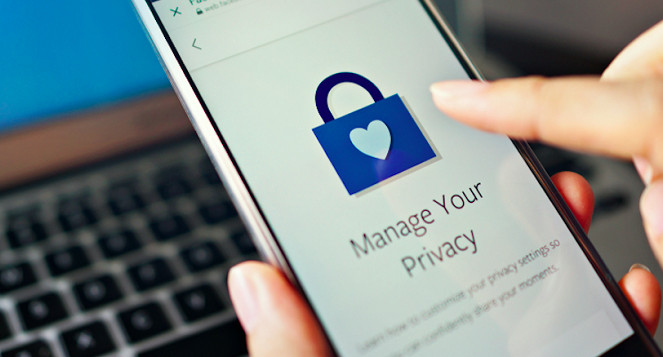
The New Rules of Sharing: What’s Socially Acceptable Today
Oversharing isn’t just a personal preference—it’s a social signal. In the internet age, what you post communicates boundaries, judgment, and awareness.
What Most Americans Now Avoid Sharing Publicly
While norms vary by generation and platform, common restraint areas include:
- Children’s private moments, including medical or disciplinary details
- Real-time location updates that raise safety concerns
- Highly emotional reactions posted immediately after conflict
- Financial struggles or windfalls without context
- Other people’s stories without explicit permission
These shifts reflect growing awareness of digital permanence and audience unpredictability.
Many professionals now practice context collapse management—tailoring content for the widest possible audience rather than the intended one.
Oversharing vs. Authenticity: Where the Line Actually Is
Authenticity remains valuable online, but it’s often misunderstood. Being authentic doesn’t require full transparency.
Healthy digital authenticity includes:
- Sharing experiences after reflection, not during emotional peaks
- Offering lessons learned rather than raw venting
- Protecting third parties’ privacy
- Considering whether the post informs, connects, or simply unloads
Mental health professionals, including those cited by the American Psychological Association, note that impulsive sharing can increase regret, anxiety, and social fallout—especially when posts invite judgment rather than support.

Comment Sections, Group Chats, and the Art of Digital Disagreement
Few areas test etiquette more than disagreement. Online, tone is flattened, nuance disappears, and algorithms reward outrage.
Productive Digital Disagreement Looks Like This
Instead of reacting instantly, experienced digital communicators tend to:
- Ask clarifying questions before responding
- Address ideas, not character
- Exit conversations that turn performative
- Avoid piling on once a point is made
Public call-outs often escalate conflict rather than resolve it. Private messages, when appropriate, preserve dignity and reduce defensiveness.
In professional contexts, silence is sometimes the most strategic response.
Workplace Etiquette in a Permanently Online World
Remote work blurred the line between personal and professional presence. Slack messages, LinkedIn posts, and even emoji use now shape reputations.
Modern workplace etiquette includes:
- Assuming internal messages may be forwarded
- Avoiding sarcasm in text-only communication
- Respecting asynchronous schedules
- Not treating professional platforms as personal diaries
Recruiters increasingly review candidates’ online presence. A single post can outweigh years of experience if it signals poor judgment or hostility.
Screenshots, Receipts, and the End of Ephemeral Behavior
One of the clearest etiquette shifts is the understanding that nothing online is truly private.
Disappearing messages, closed groups, and “friends-only” posts offer limited protection. Screenshots changed the power dynamics of communication by creating permanent records.
The new norm: Don’t post or send anything you wouldn’t defend publicly later.
This applies equally to jokes, complaints, and venting. Context rarely survives circulation.
Parenting, Teens, and Modeling Digital Manners
Children learn online behavior by observation. Parents who overshare, argue publicly, or ignore consent inadvertently normalize those habits.
Modern digital role modeling includes:
- Asking permission before posting photos of others
- Discussing long-term consequences of posts
- Encouraging pauses before responding emotionally
- Explaining that virality doesn’t equal approval
Schools increasingly incorporate digital citizenship, but daily behavior at home remains the strongest teacher.
Mental Health, Burnout, and the Cost of Always Performing
Constant visibility creates pressure to perform, respond, and react. Many Americans now practice selective disengagement—muting, unfollowing, or stepping back entirely.
This isn’t avoidance; it’s boundary-setting.
Studies frequently referenced by the National Institute of Mental Health suggest heavy social media use correlates with increased anxiety and decreased well-being, particularly when engagement feels obligatory rather than intentional.
Healthy etiquette includes knowing when not to participate.
Why Etiquette Still Matters—Even When Platforms Change
Platforms rise and fall, but reputations compound. Online etiquette isn’t about being polite for politeness’ sake—it’s about trust, credibility, and long-term relationships.
Whether you’re:
- Building a career
- Maintaining friendships across distance
- Parenting in public view
- Leading teams
- Or simply trying to exist peacefully online
Your digital behavior sends signals long after posts disappear from your feed.

Frequently Asked Questions (FAQ)
1. What is considered oversharing on social media today?
Sharing highly personal, emotional, or third-party information without context or consent is widely viewed as oversharing.
2. Should I delete old posts that no longer reflect me?
Many Americans periodically audit past content, especially when changing careers or public roles.
3. Is it rude to leave group chats without explanation?
Silently leaving large or inactive chats is generally acceptable; smaller groups benefit from brief context.
4. How long should I wait before responding to a heated comment?
A pause of several hours—or even a day—often leads to clearer, more constructive responses.
5. Are private messages really private?
No. Screenshots make nearly all digital communication potentially public.
6. Should employers judge personal social media content?
While controversial, many do—especially if content suggests poor judgment or hostility.
7. Is it okay to unfollow friends for mental health reasons?
Yes. Curating your feed is now considered a healthy boundary.
8. What’s the etiquette around sharing news before verifying it?
Sharing unverified information is increasingly viewed as irresponsible, regardless of intent.
9. Do different platforms have different etiquette norms?
Absolutely. What’s acceptable on TikTok may feel inappropriate on LinkedIn.
How Digital Courtesy Quietly Shapes the Internet We Live In
Online etiquette isn’t about perfection—it’s about awareness. Every post, comment, or silence contributes to the tone of our shared digital spaces. When individuals choose restraint, clarity, and respect, the internet becomes less reactive and more usable.
The future of online culture won’t be decided by platforms alone. It will be shaped by millions of daily micro-decisions—what we share, what we withhold, and how thoughtfully we engage.
Signals Worth Remembering in a Noisy Digital World
- Digital permanence changes the stakes of casual behavior
- Authenticity works best when paired with boundaries
- Silence is often a valid, strategic response
- Screenshots eliminated the illusion of privacy
- Thoughtful restraint builds long-term credibility