

Summary
American households are increasingly blending convenience with sustainability—without sacrificing comfort or time. From energy-smart homes to practical low-waste habits, this shift reflects changing priorities around cost, health, and resilience. This article explores how sustainable living is becoming simpler, more accessible, and better aligned with everyday American life.
A Lifestyle Shift Driven by Practical Reality
For many Americans, sustainability no longer lives in the realm of idealism. It shows up in utility bills, grocery choices, commuting habits, and the quiet realization that convenience and environmental responsibility are no longer mutually exclusive.
Rising energy costs, supply chain disruptions, and climate-related weather events have pushed sustainability into daily decision-making. At the same time, technology and design have reduced friction. Actions that once required effort—like conserving energy, reducing waste, or buying responsibly—now often save time and money.
The result is not a radical lifestyle overhaul, but a steady recalibration of how Americans live, shop, and plan for the future.
Why Convenience Matters More Than Motivation
Sustainable habits tend to stick when they fit naturally into existing routines. Research from behavioral science consistently shows that people adopt long-term changes when those changes feel easier—not harder—than the alternative.
In practice, this is why:
- Smart thermostats outperform manual energy discipline
- Reusable household systems succeed when they reduce trips and clutter
- Digital tools replace paper not because they’re greener, but because they’re faster
Convenience isn’t the enemy of sustainability. It’s the delivery mechanism.
The Modern American Home: Efficient by Design
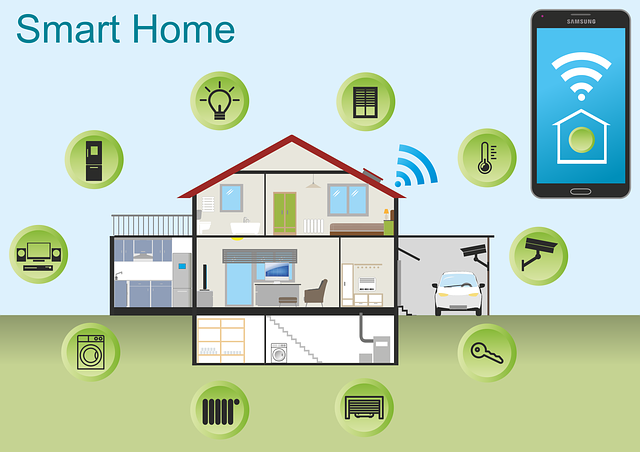
The home is where sustainability has become most visible—and most practical.
Energy-efficient appliances, once niche or expensive, are now standard offerings at major U.S. retailers. According to the U.S. Department of Energy, ENERGY STAR–certified appliances can reduce energy use by 10–50%, depending on the product category.
But the real shift is systemic rather than product-based.
Homes are increasingly designed to work with behavior rather than against it. Lighting systems turn off automatically. Thermostats adjust based on occupancy. Water-saving fixtures maintain pressure while using less.
For homeowners and renters alike, sustainability now often feels like an upgrade rather than a compromise.
Everyday Consumption Without the Guilt Narrative
The eco-friendly lifestyle has matured beyond strict rules and moral framing. Instead of asking consumers to “do better,” modern sustainability focuses on helping people do what already makes sense.
Examples show up everywhere:
- Grocery delivery reduces impulse buying and food waste
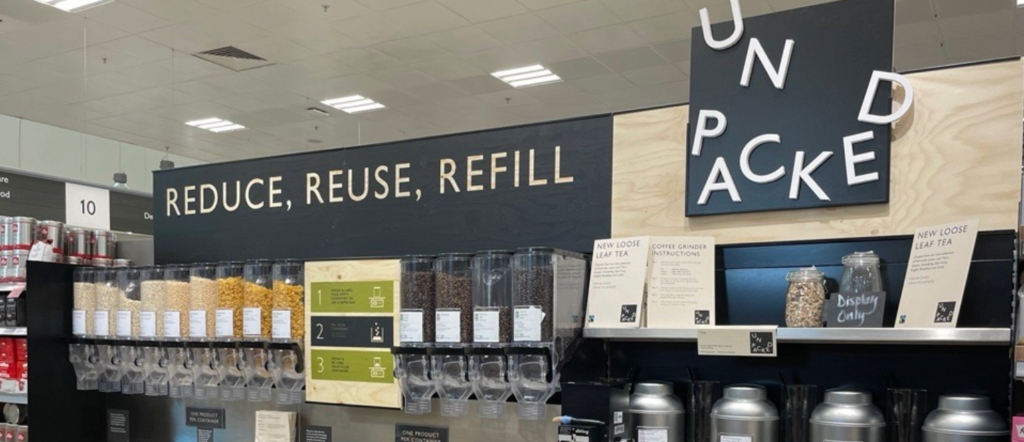
- Subscription refills cut packaging and errands
- Multipurpose products replace cluttered cabinets
Americans aren’t consuming less because they’re told to. They’re consuming smarter because systems are improving.
Importantly, this shift also broadens access. Sustainable living is no longer limited to high-income households or urban centers. It’s increasingly integrated into mainstream retail, logistics, and housing.
Transportation: Efficiency Over Idealism
Transportation remains one of the most complex sustainability challenges in the U.S., but even here, convenience is reshaping outcomes.
While electric vehicles receive most headlines, broader changes matter just as much:
- Remote and hybrid work reduces commute frequency
- Route-optimization apps cut fuel use without user effort
- Public transit improvements focus on reliability, not persuasion
The growth of electric and hybrid vehicles has accelerated largely because they’re quieter, cheaper to maintain, and easier to integrate into daily routines—not solely because they’re better for the environment.
Food Choices That Fit Real Life
Food is deeply personal, cultural, and practical. Sustainable eating succeeds when it respects those realities.
Rather than pushing restrictive diets, the modern approach emphasizes flexibility:
- Buying seasonal produce when convenient
- Reducing meat portions rather than eliminating them
- Freezing leftovers instead of over-planning meals
According to the USDA, food waste accounts for an estimated 30–40% of the U.S. food supply. Many of the most effective solutions—meal planning apps, improved packaging, clearer date labeling—are rooted in convenience, not discipline.
Technology as a Sustainability Enabler
Technology has quietly become one of the most powerful sustainability tools in American life.
Apps that track energy use, platforms that facilitate resale, and tools that automate efficiency remove guesswork from responsible living. Importantly, they also provide feedback—helping users see the impact of small changes.
This feedback loop builds trust. People are more likely to continue sustainable behaviors when they can measure outcomes, whether that’s dollars saved, emissions reduced, or time reclaimed.

Sustainability at Work and in Communities
The new American lifestyle extends beyond private homes. Workplaces and local communities increasingly reflect the same balance of convenience and responsibility.
Employers adopt flexible schedules not just for morale, but to reduce overhead and emissions. Cities invest in shared infrastructure—bike lanes, efficient transit, community solar—not as symbolic gestures, but as cost-effective services.
These changes succeed because they align environmental goals with economic and social benefits.
What Americans Are Actually Asking About Sustainable Living
Search data and consumer surveys show consistent patterns in how Americans approach sustainability today. Common questions include:
- Is sustainable living more expensive in the long run?
- What changes actually make a difference?
- How do I reduce waste without adding complexity?
The answers increasingly point toward integration, not sacrifice. Sustainability works best when it becomes invisible—embedded into systems people already rely on.
Frequently Asked Questions
Is an eco-friendly lifestyle realistic for busy families?
Yes. The most effective approaches focus on automation, simplified routines, and gradual change rather than constant effort.
Does sustainable living cost more?
Upfront costs can be higher, but long-term savings on energy, transportation, and household goods often offset initial expenses.
What’s the easiest place to start?
Home energy use is typically the most straightforward, offering measurable savings with minimal lifestyle disruption.
Are individual actions actually impactful?
When combined with system-level improvements, individual choices reinforce demand for better products and services.
Do renters have sustainable options?
Absolutely. Energy-efficient lighting, smart plugs, reduced waste, and transportation choices are renter-friendly.
How important is technology in sustainable living?
Technology lowers barriers, provides feedback, and enables scale—making it central to modern sustainability.
Is sustainable food always organic?
No. Reducing waste and choosing seasonal or local options can be just as impactful.
What role do employers play?
Workplace policies around flexibility, commuting, and resource use significantly influence lifestyle sustainability.
Can convenience undermine sustainability goals?
Only when systems are poorly designed. Well-designed convenience supports long-term environmental outcomes.
Where This Lifestyle Is Headed
The next phase of American sustainability won’t be defined by sacrifice or perfection. It will be shaped by design—products, homes, services, and systems that make responsible choices the easiest ones.
As convenience and sustainability continue to converge, the question will shift from “Should I live more sustainably?” to “Why wouldn’t I?”
Key Signals of the Shift
- Sustainable choices increasingly save time and money
- Automation replaces willpower
- Environmental benefits align with personal comfort