
Summary
Celebrities increasingly influence how Americans define success, resilience, and personal growth. Beyond entertainment, public figures now shape conversations around mental health, leadership, failure, and reinvention. This article explores why that shift happened, what audiences gain—or risk—and how to evaluate celebrity advice with discernment and real-world relevance.
How Celebrities Entered the Personal Growth Conversation
For much of the 20th century, celebrities were admired primarily for talent and charisma. Their private lives, struggles, and philosophies were often hidden behind publicists and studio contracts. That dynamic has shifted dramatically.
Today’s audiences expect visibility into the human experience behind fame. Social media, long-form interviews, podcasts, and memoirs have lowered the barrier between public figures and the public. Celebrities are no longer just performers; many now serve as narrators of success stories, failures, reinventions, and personal awakenings.
This shift coincides with a broader cultural change in the U.S.: Americans are actively searching for guidance on burnout, purpose, mental health, career pivots, and work-life balance. When recognizable figures speak openly about these issues, their messages travel faster—and often resonate more deeply—than abstract advice from institutions.
Why Americans Listen to Celebrities on Success and Growth
Celebrity influence in personal development is not accidental. It reflects how people process trust, relatability, and authority.
Several factors explain this trend:
- Narrative power: Humans respond strongly to stories. Celebrities offer visible arcs of struggle, effort, and outcome.
- Perceived proof of success: Fame and financial achievement create an assumption—fair or not—of credibility.
- Cultural familiarity: Audiences already know these figures, reducing skepticism.
- Accessibility: Social platforms allow celebrities to speak directly, without filters.
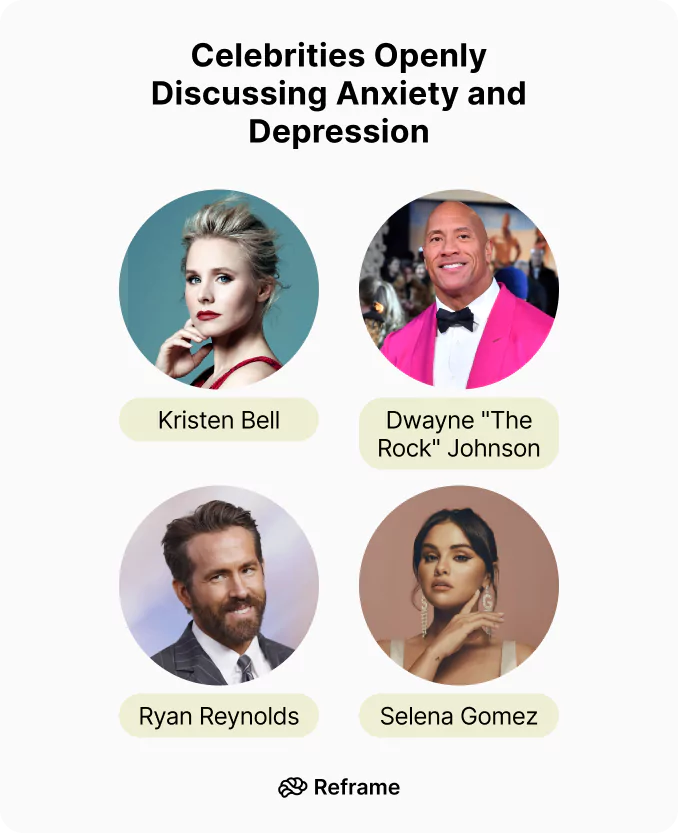
For example, figures like Oprah Winfrey built trust by consistently linking professional success with emotional intelligence and self-awareness, long before such topics were mainstream. More recently, Dwayne Johnson has spoken candidly about depression, discipline, and long-term effort—topics many Americans relate to regardless of fame.

The Blurring Line Between Celebrity and Motivational Speaker
A noticeable shift is the overlap between entertainers and professional motivators. Celebrities increasingly give keynote speeches, write self-reflective books, host podcasts, and appear at leadership conferences.
This crossover works because:
- Celebrities bring attention to ideas that might otherwise stay niche
- Their lived experiences offer concrete, emotionally grounded examples
- They translate abstract principles into relatable moments
However, this blending also raises questions about depth and responsibility. While some celebrities invest deeply in learning and collaboration with experts, others rely solely on personal anecdotes. The difference matters—especially when advice touches on mental health, trauma, or career decisions.
What Celebrities Do Well in the Growth Space
When done responsibly, celebrity participation in personal growth conversations can provide genuine value.
They often excel at:
- Normalizing struggle: Public admissions of failure reduce stigma.
- Modeling resilience: Long careers demonstrate adaptability.
- Encouraging help-seeking: Open conversations about therapy and support can reduce barriers.
- Making growth aspirational: Seeing success paired with humility reframes achievement.
According to the American Psychological Association, public figures speaking openly about mental health can significantly increase public willingness to seek support. This effect is strongest when messages emphasize effort, community, and professional help rather than quick fixes.
Where Celebrity Advice Can Fall Short
Despite benefits, celebrity-driven guidance has limitations that readers should recognize.
Common pitfalls include:
- Oversimplifying complex issues
- Presenting personal experience as universal truth
- Ignoring structural advantages tied to wealth or access
- Blurring inspiration with instruction
For instance, advice about “taking risks” or “following passion” can sound empowering but may overlook financial constraints, caregiving responsibilities, or systemic barriers faced by many Americans. Expertise in one domain does not automatically translate into authority across all areas of life.
How to Evaluate Celebrity Guidance with Discernment
Consumers of personal growth content benefit most when they apply critical thinking—not cynicism.
Useful evaluation questions include:
- Is the message grounded in lived experience or broad generalization?
- Does the celebrity acknowledge privilege or limitations?
- Are expert perspectives referenced or respected?
- Does the advice encourage sustainable action rather than urgency?
Celebrities who frame their stories as examples, not prescriptions, tend to provide the most lasting value. Responsible voices emphasize process, patience, and learning over outcomes alone.
The Role of Social Media in Shaping Influence
Platforms like YouTube, Instagram, and podcasts have transformed how celebrity messages are delivered and consumed. Long-form formats, in particular, allow for nuance that traditional media once lacked.
At the same time, algorithms reward emotional intensity and simplicity. This tension pushes some creators toward soundbites rather than substance. The result is a mixed ecosystem where thoughtful conversations coexist with shallow motivation.
Audiences increasingly gravitate toward depth. According to Pew Research Center data, U.S. users are spending more time with podcasts and long-form video, signaling demand for context-rich storytelling over slogans.
What This Shift Means for Personal Growth Culture
The growing presence of celebrities in success conversations reflects a broader democratization of guidance. Authority no longer comes solely from institutions; it emerges from perceived authenticity, consistency, and relevance.
This does not replace expert-driven education—but it complements it. When celebrities collaborate with psychologists, educators, and researchers, they help bridge the gap between theory and lived experience.
The healthiest growth culture blends inspiration with evidence, storytelling with skill-building, and aspiration with realism.

Frequently Asked Questions
Do celebrities have real expertise in personal growth?
Some do, particularly when they combine experience with ongoing learning and expert collaboration. Others offer perspective rather than expertise.
Why do people trust celebrities more than professionals?
Familiarity and storytelling create emotional trust, even when technical expertise may be limited.
Is celebrity advice harmful?
It can be if taken as universal or if it discourages professional help. Context matters.
Can celebrity stories actually motivate change?
Yes, especially when they highlight effort, failure, and persistence rather than overnight success.
How should audiences use celebrity advice?
As inspiration and perspective—not as a substitute for professional guidance.
Are celebrities replacing motivational speakers?
Not entirely. The roles increasingly overlap, but trained speakers still provide structured frameworks.
What platforms best support thoughtful celebrity conversations?
Podcasts, long-form interviews, and documentaries allow for nuance and reflection.
Do celebrities influence mental health stigma?
Research suggests they can reduce stigma when messages are responsible and balanced.
Will this trend continue?
Yes, as long as audiences seek relatable narratives alongside expert insight.
A Cultural Mirror, Not a Manual
Celebrities now function less as instructors and more as mirrors—reflecting cultural anxieties, ambitions, and evolving definitions of success. Their stories help frame conversations, but the work of growth remains personal, contextual, and ongoing. When audiences engage thoughtfully, celebrity narratives can inform—not define—their own paths forward.
Key Reflections to Carry Forward
- Celebrity influence works best as perspective, not prescription
- Depth and humility build long-term trust
- Personal growth thrives at the intersection of story and substance
- Discernment is a critical life skill in the attention economy