

AI Overview Summary (60 words)
In a crowded digital media environment, motivational speakers earn credibility through consistency, evidence-based ideas, and ethical influence. This article examines how today’s most respected speakers build trust, differentiate expertise, and sustain relevance amid algorithm-driven attention cycles, skepticism toward authority, and rising audience expectations—offering practical insights for professionals navigating the modern inspiration economy.
The motivational speaking industry has grown into a multibillion-dollar ecosystem in the United States, spanning corporate leadership events, educational institutions, wellness conferences, and digital platforms. Yet as the market expands, so does skepticism. Audiences today are more informed, more distracted, and more wary of vague promises. Inspiration alone is no longer enough. Credibility has become the core currency of influence.
In this environment, motivational speakers operate at the intersection of psychology, business, storytelling, and media literacy. Their success depends not only on what they say, but how they demonstrate trustworthiness over time. Understanding how credibility is built—and maintained—offers valuable lessons for anyone working in thought leadership, education, or public communication.
Why Credibility Matters More Than Ever
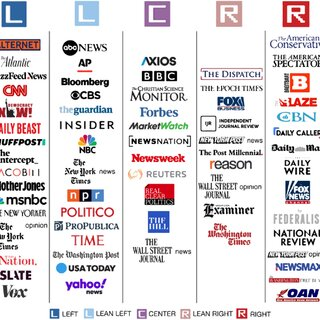
American audiences are consuming more content than at any point in history. According to Pew Research Center, over 85% of U.S. adults get news or educational information from digital platforms, often encountering conflicting perspectives within minutes. This saturation has reshaped how trust is formed.
For motivational speakers, credibility determines whether audiences listen, share, invite, or dismiss. Without it, even well-crafted messages risk being perceived as generic or self-serving. Credibility today is not assumed; it is earned repeatedly.
Several forces have intensified this dynamic:
- Declining trust in institutions and traditional authority figures
- Widespread exposure to exaggerated or misleading self-help content
- Algorithm-driven platforms that reward emotional reactions over depth
As a result, speakers who rely on charisma without substance struggle to sustain long-term relevance.

The Shift From Charisma to Competence
Historically, motivational speaking emphasized stage presence and emotional appeal. While those qualities still matter, modern audiences increasingly evaluate speakers through a professional lens. They want to know why a speaker is qualified to speak on a subject and how their ideas translate into real-world outcomes.
Credible speakers tend to anchor their work in one or more of the following foundations:
- Verifiable professional experience
- Academic or research-based knowledge
- Demonstrated results across multiple organizations or contexts
For example, a leadership speaker with a background in organizational psychology who references peer-reviewed studies and real case examples will often be perceived as more trustworthy than one relying solely on personal anecdotes.
This shift mirrors broader workplace trends, where employers prioritize measurable skills and evidence-based decision-making.
Transparency as a Trust-Building Tool
One of the most effective credibility signals in the current media climate is transparency. Audiences respond positively when speakers are clear about what they know, what they don’t, and where their ideas come from.
Transparent practices include openly citing research sources, acknowledging limitations in personal experience, and avoiding overly simplistic solutions to complex problems. This approach contrasts sharply with the “one-size-fits-all” messaging that dominated earlier eras of motivational content.
Transparency also extends to business practices. Speakers who clearly communicate pricing structures, learning objectives, and expected outcomes tend to build stronger relationships with corporate and institutional clients.
The Role of Evidence and Data
Data-driven storytelling has become a hallmark of high-credibility motivational speaking. Rather than overwhelming audiences with statistics, effective speakers integrate data selectively to support key points.
Common sources of credible data include:
- Peer-reviewed academic journals
- Government labor and health statistics
- Longitudinal workplace or education studies
- Reputable industry research firms
For instance, speakers addressing burnout may reference data from the American Psychological Association on workplace stress, then contextualize it with practical strategies observed in consulting work.
This balance between evidence and application reinforces both authority and usefulness.
Consistency Across Platforms
In a fragmented media landscape, credibility is reinforced through consistency. Audiences often encounter speakers across podcasts, LinkedIn posts, keynote stages, and books. Discrepancies in messaging can quickly erode trust.
Credible speakers maintain alignment in three areas:
- Core philosophy and values
- Terminology and conceptual frameworks
- Ethical boundaries around claims and outcomes
Consistency does not mean repetition. Instead, it reflects a coherent point of view adapted thoughtfully to different formats and audiences.
Managing Visibility Without Overexposure
Visibility is essential for growth, but overexposure can undermine credibility. In the age of short-form video, some speakers feel pressure to comment on every trending topic. This strategy can dilute expertise and confuse audiences about a speaker’s true focus.
Experienced professionals often adopt a more selective approach, choosing visibility opportunities that align with their domain knowledge. This restraint signals confidence and depth rather than opportunism.
Audiences tend to trust speakers who speak less frequently but more thoughtfully, especially on complex or sensitive issues.
Ethical Influence and Audience Responsibility
Credibility is closely tied to ethics. Motivational speakers wield influence over beliefs, behaviors, and sometimes significant professional decisions. Responsible speakers acknowledge this power and act accordingly.
Ethical credibility involves avoiding fear-based messaging, refraining from guaranteed outcomes, and respecting audience autonomy. It also means recognizing the diverse socioeconomic and cultural realities of U.S. audiences rather than promoting overly individualistic success narratives.
Speakers who frame growth as a process—rather than a promise—are more likely to earn sustained trust.
Building Long-Term Professional Reputation
Credibility compounds over time. Many of today’s most respected motivational speakers spent years refining their ideas in classrooms, boardrooms, or research settings before achieving widespread recognition.
Long-term reputation building often includes writing in reputable publications, collaborating with established institutions, and engaging in continuous learning. These efforts may not generate immediate viral attention, but they create durable authority.
In a noisy media age, longevity itself becomes a credibility signal.
Frequently Asked Questions
What makes a motivational speaker credible today?
Credibility comes from demonstrated expertise, transparency, evidence-based insights, and consistent ethical behavior across platforms.
Do audiences still value personal stories?
Yes, but stories are most effective when paired with broader lessons, data, or frameworks that extend beyond individual experience.
How important are credentials for motivational speakers?
Credentials help, but they are not sufficient alone. Audiences also assess relevance, applicability, and integrity.
Can social media presence hurt credibility?
It can if overused or misaligned with expertise. Strategic, focused use tends to support credibility.
What role does research play in motivational speaking?
Research strengthens authority and helps differentiate speakers from purely inspirational content creators.
Are corporate clients more skeptical than individual audiences?
Often yes. Organizations typically prioritize measurable outcomes and professional rigor.
How do speakers avoid being seen as generic?
By developing a clear niche, original frameworks, and perspectives grounded in experience or research.
Is inspiration still important in professional speaking?
Absolutely. Inspiration motivates action, but credibility determines whether that motivation lasts.
How long does it take to build trust with audiences?
Trust builds gradually through repeated, consistent interactions and can be lost quickly through missteps.
Where Credibility Becomes the Competitive Advantage
In today’s media environment, inspiration alone is easy to find. Credibility is not. Motivational speakers who succeed over the long term understand that trust is built through rigor, restraint, and respect for their audience’s intelligence. As attention becomes more fragmented, credibility remains one of the few assets that consistently cuts through noise and sustains influence.
Key Signals Readers Should Watch For
- Clear evidence supporting claims
- Consistent messaging across platforms
- Ethical framing of success and growth
- Respect for audience complexity and diversity