
Summary
Modern celebrity is no longer defined by red carpets alone. Today’s most durable public figures build businesses, influence markets, and create long-term value far beyond entertainment. This article explores how celebrities turn visibility into sustainable brands—through ownership, strategy, partnerships, and discipline—while managing risk, relevance, and public trust.
Introduction: Fame as a Starting Point, Not the Finish Line
In the United States, celebrity has evolved from a byproduct of talent into a platform for enterprise. Actors, musicians, athletes, and creators now operate in an environment where visibility is fleeting but brand equity can be enduring. Fame alone no longer guarantees longevity. What matters is how effectively a public figure converts attention into a business foundation that lasts beyond peak popularity.
This shift reflects broader changes in media, consumer behavior, and trust. Audiences increasingly reward authenticity, expertise, and ownership. As a result, celebrities who approach their careers with the mindset of entrepreneurs—rather than solely performers—tend to outperform those who rely exclusively on exposure.
Why Celebrity Branding Has Become a Business Imperative
The entertainment industry is more volatile than ever. Streaming has shortened release cycles, social media accelerates public opinion, and algorithms can elevate—or erase—attention overnight. According to data from the U.S. Bureau of Labor Statistics, median earnings for performers fluctuate widely year to year, reinforcing the need for diversified income.
For celebrities, building a brand outside their core craft provides:
- Revenue stability beyond contracts or tours
- Control over public narrative and positioning
- Long-term value independent of age or trends
In practical terms, fame opens doors, but business strategy determines whether those doors stay open.
From Endorsements to Ownership: The Strategic Shift
Historically, celebrity branding meant endorsement deals—being paid to promote someone else’s product. Today, the most successful figures prioritize ownership or equity participation. This model aligns incentives and allows celebrities to benefit from long-term growth rather than one-time fees.
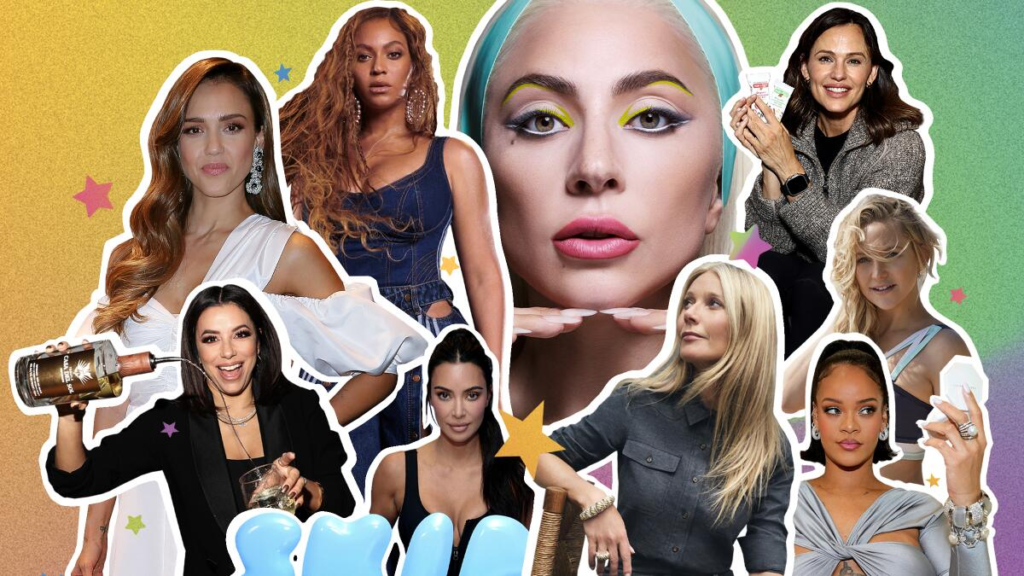
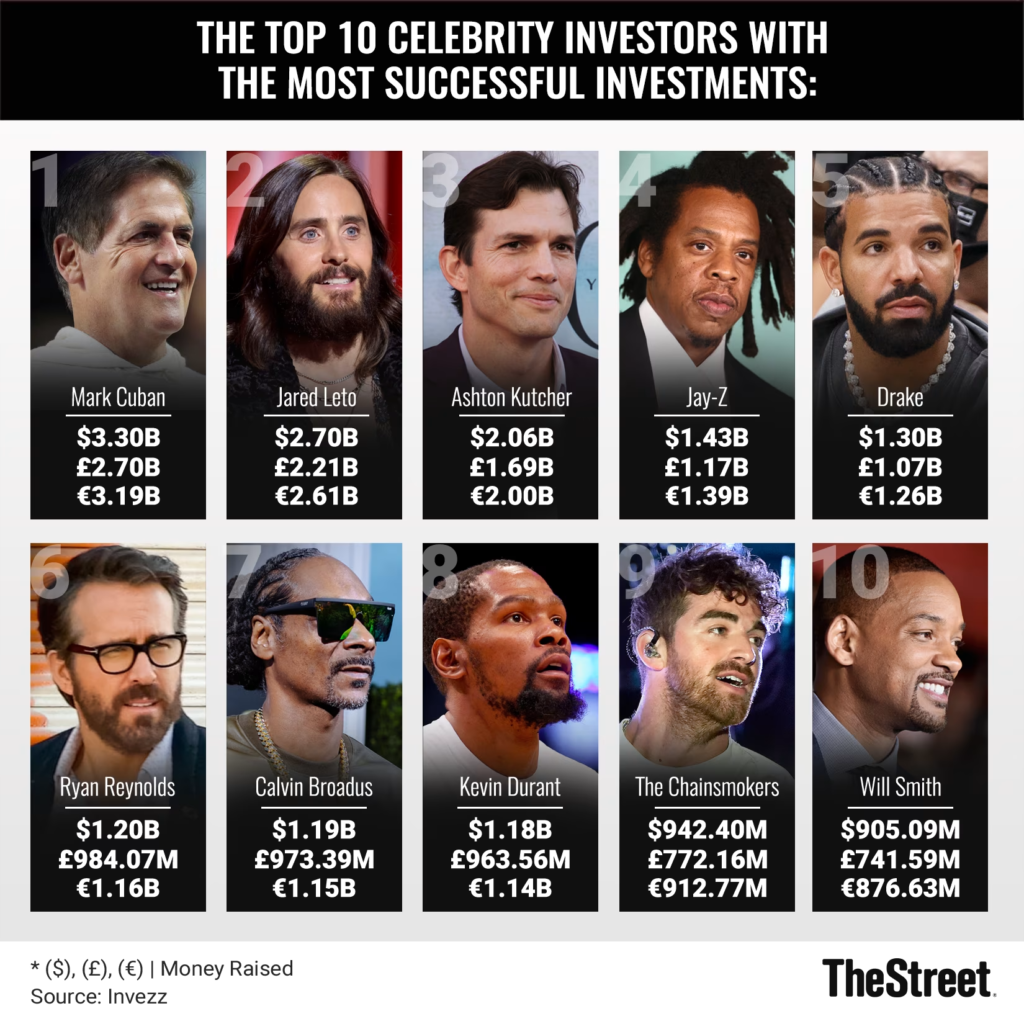
Examples across industries show this transition clearly. Figures like Rihanna and LeBron James have emphasized equity stakes and board-level involvement rather than surface-level promotion. Their success underscores a broader lesson: audiences can distinguish between paid visibility and genuine investment.
Ownership also encourages deeper involvement in operations, product development, and governance—areas that directly affect brand credibility.
Building a Brand That Reflects Real Expertise
One of the most common mistakes in celebrity branding is misalignment. Consumers quickly disengage when a product feels disconnected from a celebrity’s experience or values. Effective brands usually emerge from areas where the individual has lived knowledge or sustained interest.
This is why wellness brands tied to personal routines, production companies rooted in creative control, or fashion labels informed by long-term style evolution tend to resonate more than opportunistic launches.
Key questions successful celebrities ask before building a brand include:
- What problem do I genuinely understand?
- Where do I already have trust with an audience?
- Can I contribute beyond my name recognition?
Brands built on credible answers to these questions tend to weather scrutiny and market shifts far better.
The Role of Social Media as Infrastructure, Not Just Promotion
Social platforms function less as marketing channels and more as owned media ecosystems. Celebrities who treat social media as infrastructure—rather than a billboard—gain compounding advantages.
Instead of constant promotion, they use platforms to:
- Educate audiences about process and values
- Test ideas before full-scale launches
- Build narrative continuity over time
This approach mirrors how modern startups cultivate community before monetization. It also reduces reliance on traditional media coverage, which can be unpredictable.
Professional Teams Behind “Personal” Brands
While celebrity brands often appear personal, they are rarely built alone. Behind most durable ventures is a professional ecosystem that includes brand strategists, legal counsel, financial advisors, and operational leadership.
High-functioning celebrity brand teams typically focus on:
- Intellectual property protection
- Reputation and risk management
- Regulatory compliance
- Scalable operations
The presence of experienced operators often distinguishes sustainable brands from short-lived experiments. In many cases, celebrities act as founders or creative directors while delegating execution to seasoned executives.
Managing Reputation Risk in a Hyper-Transparent Era
Brand value and personal reputation are inseparable for public figures. Missteps—whether personal or professional—can immediately impact sales, partnerships, and long-term viability.
Successful celebrity entrepreneurs mitigate risk by:
- Separating personal expression from brand governance
- Establishing clear codes of conduct within their companies
- Avoiding overexposure or constant reactive commentary
This disciplined restraint contrasts sharply with the assumption that constant visibility equals relevance. In reality, selective presence often builds greater trust.
Longevity Over Virality: A Different Definition of Success
Many celebrity brands fail not because of poor ideas, but because they prioritize speed over durability. Viral launches can create spikes in attention but often lack the infrastructure to support long-term growth.
Brands built for longevity emphasize:
- Repeat customers over launch-day headlines
- Operational excellence over hype cycles
- Measured expansion rather than rapid saturation
This mirrors best practices in traditional entrepreneurship, reinforcing that celebrity status does not exempt founders from fundamental business principles.
What Aspiring Creators and Public Figures Can Learn
While most readers are not celebrities, the underlying principles of celebrity brand-building are broadly applicable. The core lesson is that attention is a resource, not a strategy. Sustainable success comes from converting visibility into systems, assets, and trust.
Whether someone has a national platform or a niche following, the same fundamentals apply: clarity of purpose, operational discipline, and respect for the audience.
Frequently Asked Questions
How do celebrities make money outside entertainment?
Through brand ownership, equity investments, licensing deals, and long-term partnerships.
Are celebrity brands usually profitable?
Only a minority achieve sustained profitability; those that do emphasize operations and alignment.
Why do some celebrity brands fail quickly?
Lack of product-market fit, weak leadership teams, or overreliance on name recognition.
Is social media essential for celebrity branding today?
Yes, but as a relationship tool rather than constant promotion.
Do celebrities run their businesses day to day?
Typically no; they guide vision while professionals handle execution.
What industries are most common for celebrity brands?
Beauty, fashion, food and beverage, media production, and wellness.
How important is authenticity to consumers?
Extremely; perceived insincerity often leads to rapid disengagement.
Can a celebrity recover from a failed brand?
Yes, if lessons are applied and credibility is rebuilt over time.
Do endorsements still matter?
They do, but ownership models increasingly outperform them.
Where Fame Becomes a Framework
Celebrity branding succeeds when fame is treated as infrastructure—not identity. The most resilient public figures recognize that attention fades, but systems endure. By prioritizing ownership, expertise, and operational discipline, they turn visibility into lasting enterprise rather than temporary relevance.
Key Signals Readers Should Watch For
- Ownership over endorsement
- Expertise over exposure
- Consistency over constant visibility
- Teams over solo decision-making