

Summary
Americans aren’t managing time the way they used to. A new generation of apps—focused on calendars, task systems, attention tracking, and automation—is subtly reshaping daily routines. This article examines how these tools fit into real lives, why they work, and what they reveal about how Americans now think about productivity, balance, and control over their time.
A Subtle Shift in How Time Is Managed
For decades, time management advice in the U.S. centered on willpower, discipline, and rigid systems. Paper planners, color-coded schedules, and rigid productivity frameworks promised control over chaotic days. Today, that mindset is quietly changing.
Instead of forcing behavior, many Americans are turning to apps that adapt to how people already live. These tools don’t shout about “hustle” or “optimization.” They work in the background—tracking patterns, reducing friction, and making small decisions easier. The result is less cognitive load and more realistic control over time.
This shift isn’t loud, viral, or trend-driven. It’s practical.
Why Time Feels Scarcer Than Ever
Americans consistently report feeling busier—even when total working hours haven’t dramatically increased. According to data from the U.S. Bureau of Labor Statistics, full-time workers average about 8.5 hours of work per day, similar to levels from decades ago. What has changed is fragmentation.
Modern days are broken into dozens of micro-moments:
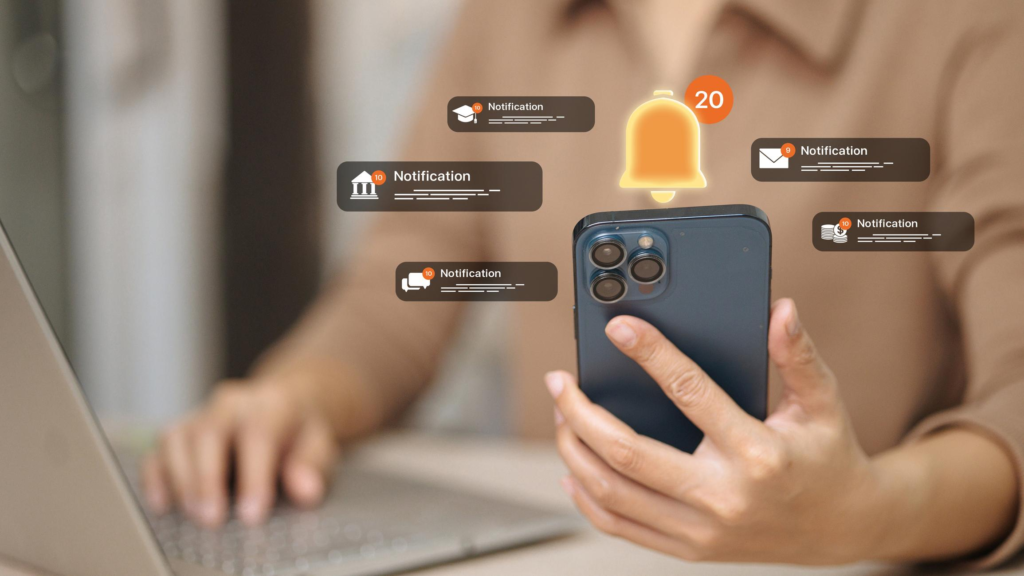
- Notifications
- Context switching
- Short meetings
- Asynchronous messages
- Constant decision-making
Time management apps today are less about doing more and more about protecting attention.
Calendar Apps Are Becoming Decision Engines
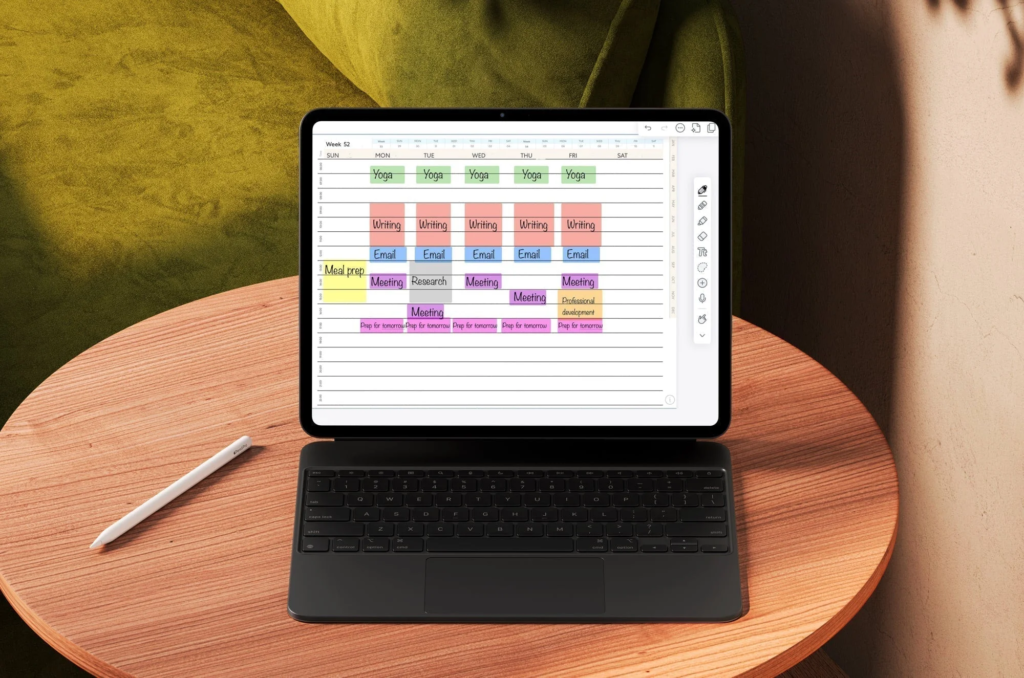
Traditional calendars were passive: you added events, and they reminded you when to show up. Modern calendar apps are now active participants in decision-making.
Many Americans rely on tools like Google Calendar not just to schedule meetings, but to:
- Visualize energy-heavy vs. light tasks
- Block personal time with the same priority as work
- Coordinate family logistics across households
The real shift is psychological. Seeing time visually forces trade-offs. When a calendar is full, adding “just one more thing” becomes a conscious decision instead of a default habit.
Task Managers That Reduce Mental Clutter
To-do lists used to grow endlessly. Today’s task apps aim to do the opposite.
Tools like Todoist focus on helping users decide what not to do today. Features such as recurring task logic, priority limits, and natural-language input reduce friction while discouraging overloading the day.
For many Americans, the benefit isn’t productivity—it’s relief. Tasks live outside the brain, freeing mental space for actual work or rest.
Common real-world uses include:
- Separating “must-do” from “nice-to-do”
- Managing shared household responsibilities
- Tracking long-term goals without daily pressure
All-in-One Workspaces Replace App Switching
One of the biggest drains on time is context switching. Jumping between apps costs attention and energy, even if each jump takes only seconds.
That’s why flexible workspaces like Notion have gained traction. Americans increasingly use a single environment for:
- Notes
- Project planning
- Personal knowledge management
- Light task tracking
Rather than enforcing a rigid system, these platforms allow users to build workflows that match how they think. For freelancers, remote workers, and students, that flexibility matters more than advanced features.
Attention Tracking Brings Awareness, Not Guilt
Time tracking used to feel punitive. Today’s tools focus on insight.
Apps like RescueTime show users where time actually goes—often revealing surprises. Many Americans discover they spend less time on “deep work” and more time in reactive modes than they assumed.
The most effective users don’t chase perfection. They make small adjustments:
- Blocking social media during focus hours
- Scheduling demanding tasks earlier in the day
- Reducing unnecessary app usage by design
Awareness, not discipline, drives change.
Digital Well-Being Tools Go Mainstream
Built-in features like Apple Screen Time reflect a broader cultural shift. Time management is no longer just about productivity—it’s about balance.
Americans increasingly use these tools to:
- Set app limits for themselves and their children
- Create device-free periods in the evening
- Monitor habits without judgment
According to Pew Research Center surveys, a growing share of U.S. adults say they are actively trying to limit screen time. The rise of built-in tools suggests demand for gentler guardrails, not extreme solutions.
Automation Removes Invisible Time Costs
Some of the most impactful apps don’t feel like productivity tools at all.
Automation platforms quietly remove repetitive decisions:
- Auto-sorting email
- Smart reminders triggered by location or behavior
- Background syncing across devices
The value isn’t speed—it’s consistency. By reducing small daily decisions, Americans preserve energy for work, relationships, and rest.
How Americans Actually Use These Apps Day to Day
In real life, most people don’t follow productivity systems perfectly. They adapt.
Common patterns include:
- Using only 20–30% of an app’s features
- Abandoning complex setups in favor of simplicity
- Mixing digital tools with analog habits
The apps that last are the ones that fit around human behavior, not the other way around.
Choosing the Right Tool Without Overcomplicating
There’s no universal “best” app. The most successful users start small.
Practical selection tips:
- Identify one recurring pain point first
- Choose tools with low setup friction
- Evaluate after two weeks, not two days
- Avoid stacking multiple tools with overlapping functions
Time management improves when tools reduce decisions—not create new ones.
Frequently Asked Questions
Are time management apps actually effective?
Yes, when used consistently and simply. Effectiveness depends more on habits than features.
Do these apps help reduce stress?
Many users report lower stress due to reduced mental load and clearer boundaries.
Is it better to use one app or multiple?
Most Americans benefit from fewer tools that integrate well.
Do free versions work well enough?
For many people, yes. Paid features often matter only for advanced workflows.
Are these apps secure for personal data?
Reputable apps typically follow strong security practices, but users should review privacy policies.
Can time apps improve work-life balance?
They can support balance, but boundaries still require intentional choices.
Do older adults use these tools?
Adoption is growing, especially for calendars and reminders.
How long before results appear?
Most benefits emerge within 2–4 weeks of regular use.
Are paper planners obsolete?
No. Many Americans successfully combine digital tools with analog methods.
Where Time Management Is Quietly Heading
The future of time management in America isn’t louder systems or stricter rules. It’s tools that respect attention, adapt to real life, and fade into the background once they’re working.
The most successful apps don’t promise transformation. They offer clarity—one decision at a time.
The Subtle Takeaways That Matter Most
- Time management is shifting from discipline to design
- Awareness beats intensity for long-term change
- Fewer tools often lead to better outcomes
- Small adjustments compound over time