
Summary
Some of the most important apps in daily American life aren’t the trendiest or most talked about. They work quietly in the background—helping people manage money, remember appointments, store documents, navigate cities, and stay organized. This article examines the overlooked digital tools Americans rely on every day and why they matter more than we realize.
In conversations about technology, the spotlight usually lands on social media platforms, streaming services, or the latest AI tools. Yet beneath those headlines exists a quieter layer of digital infrastructure—apps Americans use daily without discussing, reviewing, or recommending them. These tools rarely go viral, but they support the routines that keep modern life functioning.
From managing passwords to tracking expenses, navigating traffic, scanning documents, and storing files, these apps are less about novelty and more about dependability. They become invisible precisely because they work. This article explores which apps Americans rely on most, why they remain largely unspoken, and how they subtly shape everyday life.
Why Some Apps Fade Into the Background
The most relied-upon apps often share one trait: they reduce friction. Once installed and configured, they require little attention. According to Pew Research Center data on technology use, Americans are more likely to consistently use apps that solve recurring problems without demanding interaction or emotional engagement.
Unlike social platforms designed to capture attention, these tools aim to disappear into routines. When they function properly, there’s nothing to talk about. When they fail, however, the disruption is immediate.
Several factors contribute to this invisibility:
- They serve practical rather than social needs
- They integrate quietly across devices
- They replace older analog habits (paper lists, filing cabinets, maps)
- They don’t rely on constant updates or trends
This background role doesn’t diminish their importance—it amplifies it.

The Quiet Backbone of Daily Organization
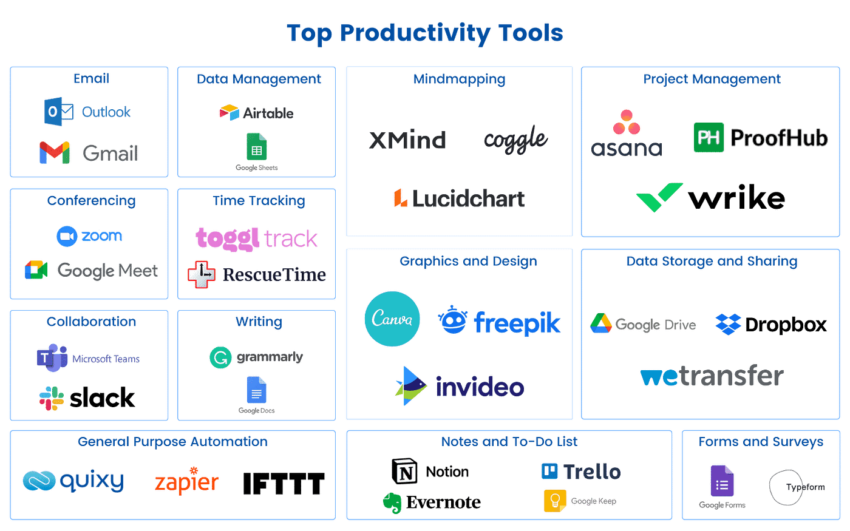
Many Americans depend on organizational apps without consciously recognizing them as essential tools. Calendar apps, note-taking platforms, and reminder systems structure daily life, especially in work-from-home and hybrid environments.
A digital calendar doesn’t draw attention, yet it governs meetings, childcare schedules, medical appointments, and deadlines. Note apps store everything from grocery lists to long-term plans. These tools are often pre-installed, synced automatically, and rarely reconsidered once adopted.
Research from McKinsey & Company shows that productivity tools contribute significantly to time savings when they are simple, consistent, and interoperable. The less a user thinks about the app, the more effective it tends to be.
Financial Apps People Rarely Brag About—but Depend On
Money management apps are among the least discussed yet most relied upon tools in the U.S. Budget trackers, banking apps, and payment services operate quietly in the background of daily transactions.
Most Americans check balances, pay bills, and transfer funds digitally without considering the complexity behind those actions. According to the Federal Reserve’s annual report on consumer payments, over 70% of U.S. adults now use mobile banking as their primary method for managing finances.
These apps succeed not by being exciting, but by being trusted. Users value:
- Consistent uptime
- Clear transaction records
- Strong security measures
- Simple interfaces
Because financial reliability is expected, not celebrated, these apps rarely become conversation topics.

Navigation and Transit Tools We Take for Granted
Mapping and navigation apps have fundamentally reshaped how Americans move through cities and towns. Turn-by-turn directions, traffic updates, and transit schedules are now baseline expectations rather than technological marvels.
The reliance is so complete that many drivers feel disoriented without real-time navigation—even on familiar routes. Yet few people actively discuss these apps unless something goes wrong.
Transportation studies from the U.S. Department of Transportation indicate that real-time navigation tools have reduced commute uncertainty and improved route efficiency nationwide. Their value lies in accuracy and consistency, not novelty.
The Silent Role of Cloud Storage and File Tools
Document storage apps have quietly replaced filing cabinets, USB drives, and email attachments. Americans store tax records, leases, medical documents, photos, and work files in cloud-based systems without thinking about where that data physically resides.
This trust developed gradually. Once users experienced the convenience of accessing files across devices, sharing links instead of attachments, and recovering lost documents, the shift became permanent.
These tools rarely generate excitement, but they enable:
- Remote work
- Digital collaboration
- Paperless administration
- Long-term record keeping
Their success depends on reliability, not attention.
Security Apps That Only Matter When They’re Missing
Password managers, authentication apps, and security tools are among the least discussed digital essentials. They function as silent gatekeepers, protecting accounts and identities without drawing attention.
According to Verizon’s Data Breach Investigations Report, compromised credentials remain one of the leading causes of data breaches. Despite this, many Americans only become aware of security tools after experiencing a problem.
Once adopted, these apps fade into the background, quietly filling passwords, approving logins, and issuing alerts. Their invisibility is intentional—and critical.
Health and Utility Apps Used Without Ceremony
Health-related apps such as pharmacy portals, insurance dashboards, and appointment schedulers are rarely discussed socially, yet they play a central role in managing care.
Similarly, utility apps for electricity, internet, water, and mobile service providers are used regularly without recognition. They are functional tools designed to reduce friction, not engagement.
These apps represent a shift toward self-service digital infrastructure, allowing Americans to manage essential services independently and efficiently.
Why We Don’t Talk About These Apps
The apps people rely on most don’t align with how we typically talk about technology. They’re not aspirational or identity-driven. They don’t signal taste or status. Instead, they quietly support routines.
Culturally, we talk about tools that entertain, connect, or impress. We don’t discuss tools that simply work. Yet these understated apps often have the greatest long-term impact on productivity, stability, and peace of mind.
How to Identify the Apps You Truly Rely On
A simple way to identify your most essential apps is to consider which ones would cause immediate disruption if removed. These are the tools that:
- Hold critical information
- Enable daily transactions
- Manage time or access
- Reduce cognitive load
Their value becomes clear only in their absence.
Frequently Asked Questions
What types of apps do Americans rely on most without noticing?
Calendar, banking, navigation, cloud storage, and security apps are among the most relied upon.
Why aren’t these apps discussed more often?
They’re functional rather than social and are designed to reduce attention, not attract it.
Are built-in apps more relied upon than third-party ones?
Often yes, because they come pre-installed and integrate seamlessly with devices.
Do these apps change behavior long term?
Yes. They shape routines, decision-making, and expectations around convenience.
How do these apps affect productivity?
They reduce friction, automate tasks, and free up mental space.
Are people aware of how dependent they are on these tools?
Usually only when the tools stop working.
Do older Americans rely on these apps as much as younger users?
Yes, though usage patterns may differ by function.
Is security a concern with invisible apps?
Yes, which is why trust and reliability are essential.
How often should people review these apps?
At least annually, to ensure security and relevance.
The Quiet Infrastructure of Modern Life
The apps people rely on without talking about them form an invisible framework supporting modern American life. They don’t ask for attention, admiration, or conversation. They simply work—day after day—helping people move, pay, remember, store, and protect what matters. Their quiet presence may be their greatest achievement.
Key Signals Worth Noticing
- Essential apps often prioritize function over engagement
- Reliability creates invisibility
- Daily dependence doesn’t require brand loyalty
- The most valuable tools are rarely discussed