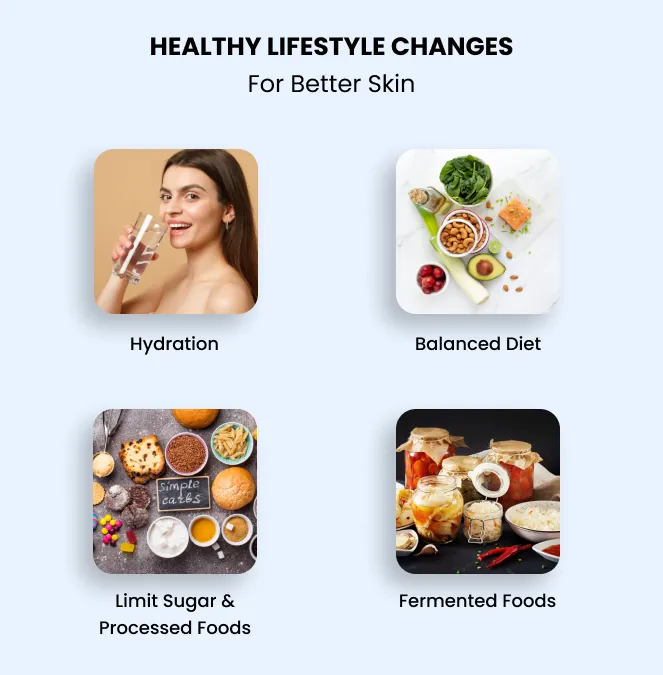
Summary Your skincare routine reflects more than cosmetic preferences—it often mirrors sleep quality, stress levels, diet, hormones, and long-term health habits. From cleansing choices to skipped sunscreen, everyday skin decisions offer clues about how well you care for your body overall. Understanding these signals can help you align skincare with broader wellness goals. Skin as…
Tag: #WellnessLifestyle
How Cultural Eating Patterns Are Shaping the Future of American Nutrition
Summary American nutrition is increasingly shaped by cultural eating patterns driven by immigration, globalization, and evolving social values. From plant-forward traditions to communal meals and flexible food rules, these influences are reshaping how Americans eat, cook, and think about health—prompting nutrition guidance that emphasizes inclusivity, sustainability, and long-term well-being over rigid dietary models. Introduction: A…
What Registered Dietitians Want People to Understand About Sustainable Eating
Summary Sustainable eating isn’t about rigid rules or perfection. Registered dietitians emphasize practical, long-term habits that support personal health, environmental responsibility, and food access. This article explains what sustainable eating really means, clears up common misconceptions, and offers realistic guidance grounded in nutrition science, U.S. food systems, and everyday life. Sustainable eating has become a…
The Growing Interest in Food Simplicity—and What It Signals About Diet Trends
Summary Across the U.S., more people are gravitating toward simpler food choices—short ingredient lists, familiar staples, and less processing. This shift reflects growing concerns about health, cost, trust in food systems, and daily stress. Food simplicity isn’t a fad; it signals a broader rethinking of how Americans eat, shop, and cook. Why “Food Simplicity” Is…
Why Portion Awareness Is Returning to the Center of Nutrition Advice
Summary Portion awareness is re-emerging as a cornerstone of modern nutrition advice as Americans navigate larger serving sizes, constant food availability, and conflicting diet messages. Rather than promoting restriction, experts now emphasize portion literacy—helping people understand how much they eat, why it matters, and how to build sustainable, realistic eating habits that support long-term health….
The Role of Everyday Food Choices in Long-Term Metabolic Health
Summary Long-term metabolic health is shaped less by short-term diets and more by everyday food decisions. This article explains how routine choices—what, when, and how Americans eat—affect blood sugar regulation, insulin sensitivity, weight stability, and inflammation over time, offering practical, research-backed guidance for sustainable metabolic well-being. Understanding Metabolic Health Beyond Weight Metabolic health refers to…
What Americans Are Rethinking About Protein Intake—and Why It Matters More With Age
SummaryAs Americans grow older, protein is no longer viewed only as fuel for athletes or weight loss. New research and lived experience are reshaping how adults think about protein’s role in muscle preservation, metabolism, independence, and healthy aging. This article explores what’s changing, why it matters after midlife, and how to apply the insights in…
Inside the Daily Workout Habits of Today’s Most Disciplined Celebrities
Today’s most disciplined celebrities treat fitness as structured work, not occasional motivation. From strength training and mobility sessions to recovery protocols and nutrition timing, their daily habits are built around consistency and longevity. This in-depth guide examines how actors, musicians, and athletes train, recover, and stay accountable—and how Americans can realistically adapt those principles into…
Doctors Hate This Bedtime Mistake (But 68% of Americans Still Do It)
Summary Using smartphones, tablets, or watching TV in bed is one of the most common bedtime mistakes in America. Research shows that nearly 68% of Americans use screens before sleep, disrupting melatonin production, circadian rhythm balance, and deep restorative rest. Doctors consistently warn that this habit increases insomnia risk, anxiety, and metabolic problems—yet it remains…
I Tried the 5AM Morning Routine for 30 Days — The Results Shocked Me
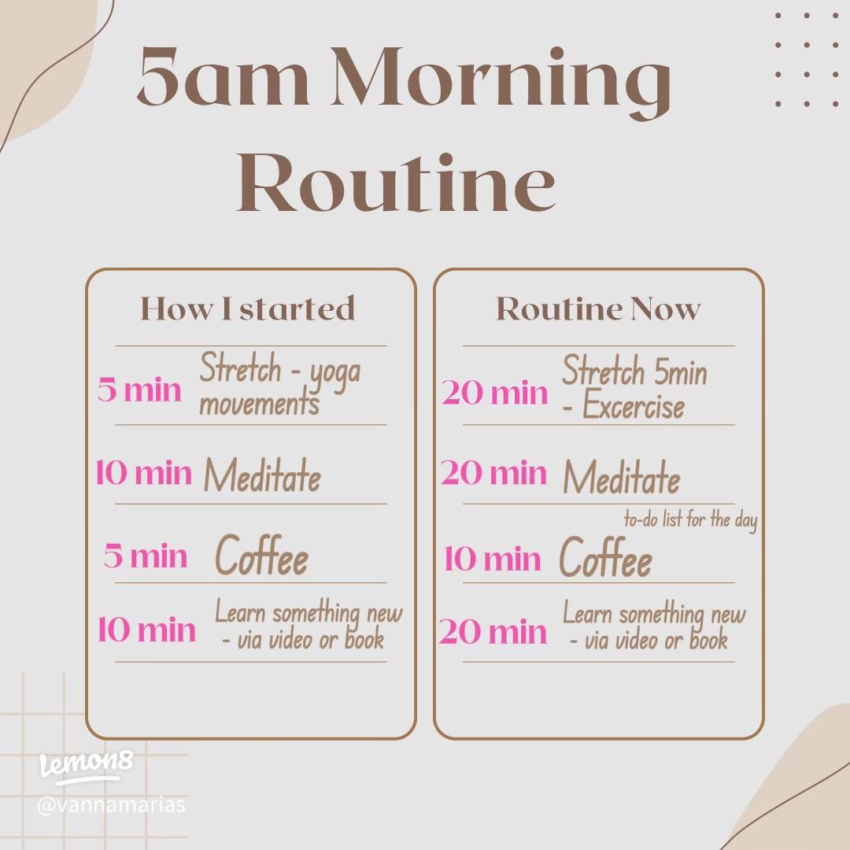
I committed to waking up at 5AM for 30 days to test whether the famous early-morning routine truly boosts productivity, focus, and mental clarity. Backed by research from the American Psychological Association and the National Sleep Foundation, this real-world experiment revealed powerful benefits — along with surprising downsides. Here’s what actually happens when you consistently…