In 2026, American travelers are embracing unconventional travel trends — from sleep tourism and noctourism to digital detox retreats and “destination dupes.” I tested seven of the weirdest emerging travel trends to see which ones are worth your time and money. One trend in particular — slow, single-destination immersion — completely reshaped how I think…

Tag: #DigitalDetox
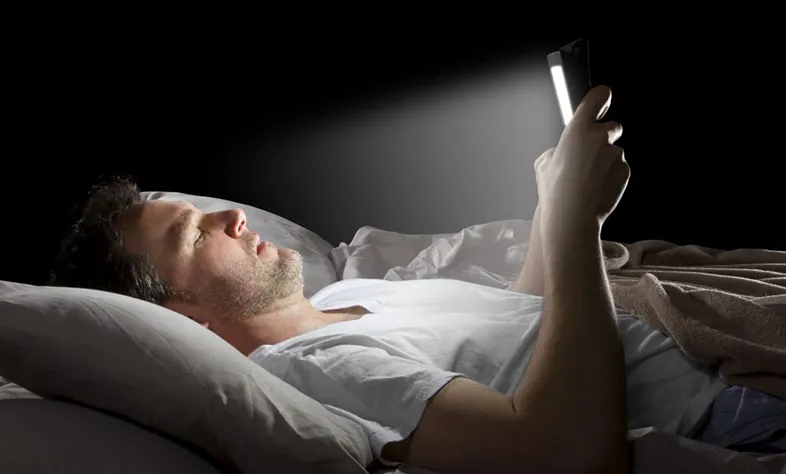
Doctors Hate This Bedtime Mistake (But 68% of Americans Still Do It)
Summary Using smartphones, tablets, or watching TV in bed is one of the most common bedtime mistakes in America. Research shows that nearly 68% of Americans use screens before sleep, disrupting melatonin production, circadian rhythm balance, and deep restorative rest. Doctors consistently warn that this habit increases insomnia risk, anxiety, and metabolic problems—yet it remains…
What Happens When You Stop Checking Your Phone After 8 P.M.? The Results Are Wild.
Summary Stopping phone use after 8 P.M. can significantly improve sleep quality, reduce anxiety, enhance relationships, and boost next-day productivity. Research from Harvard Medical School and the National Sleep Foundation shows that evening screen exposure disrupts melatonin and increases mental stimulation. Americans who adopt a digital curfew consistently report calmer nights, clearer mornings, and measurable…
The 30-Day “Dopamine Reset” Challenge Taking Over TikTok: What It Is, What Works, and What to Expect
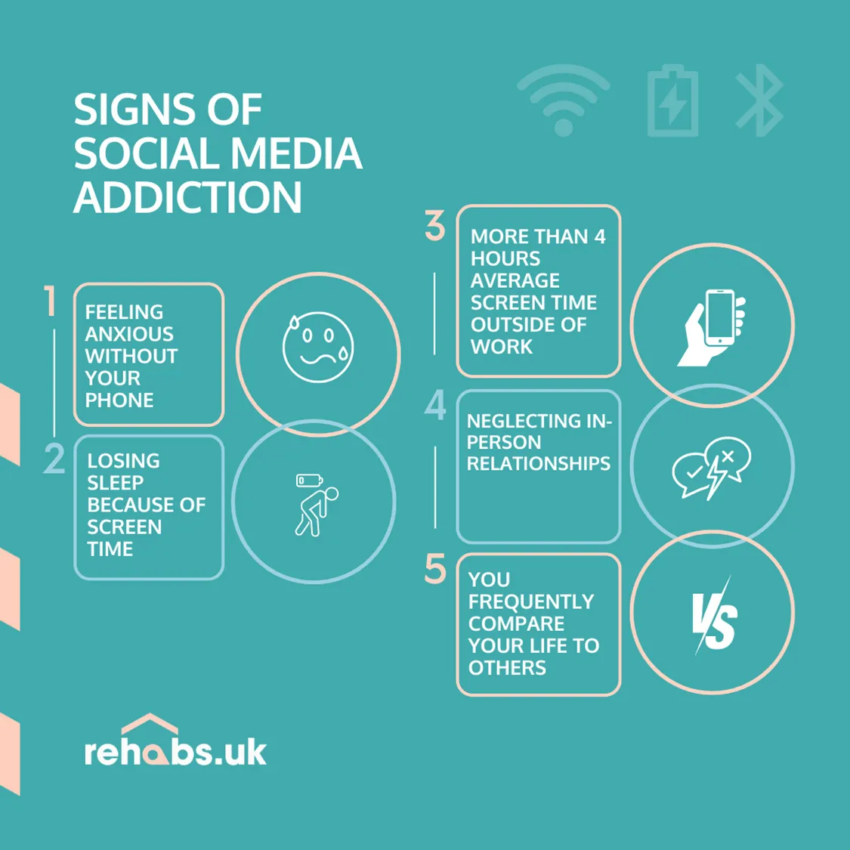
The 30-Day “Dopamine Reset” Challenge Taking Over TikTok Quick Summary The 30-day dopamine reset challenge trending on TikTok is a behavioral experiment designed to reduce overstimulation from social media, ultra-processed foods, gaming, and constant digital input. While you cannot literally “reset” dopamine levels, research in neuroscience and behavioral psychology suggests that reducing high-intensity rewards can…
You’re Doing Everything Wrong — These 8 Everyday Lifestyle Habits Are Secretly Sabotaging Your Health
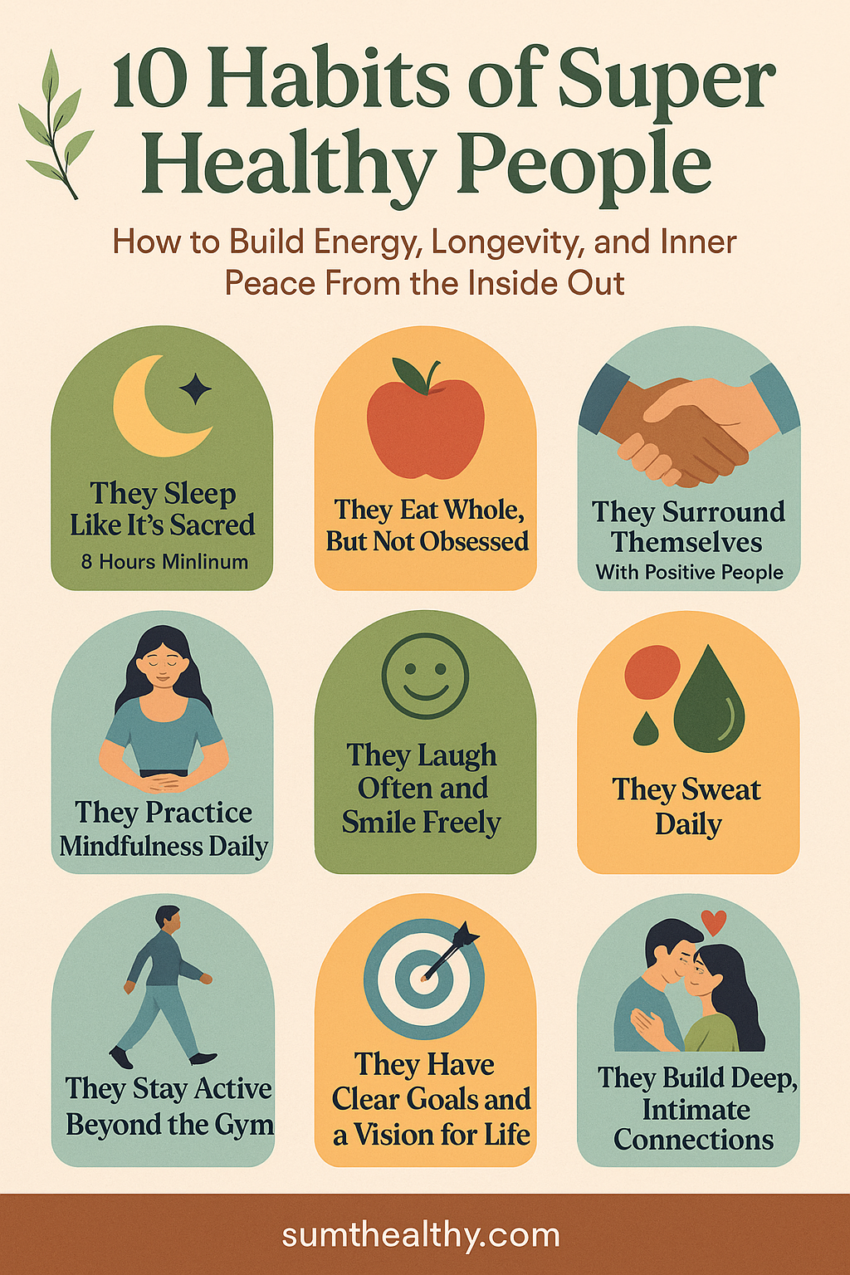
Summary Many Americans believe they live relatively healthy lives, yet subtle daily habits—poor sleep timing, prolonged sitting, chronic stress, ultra-processed food consumption, excessive screen exposure, social isolation, lack of strength training, and skipped preventive care—quietly increase disease risk. Backed by data from the CDC, NIH, and leading medical institutions, this comprehensive guide explains the science…