

Summary
Choosing between strength, cardio, or mobility training isn’t about following trends—it’s about aligning exercise with your body, lifestyle, and long-term health goals. This guide explains how each focus works, who benefits most, and how Americans can make smarter, sustainable fitness decisions based on age, health, and daily demands.
Walk into any gym in the U.S. and you’ll see three distinct approaches unfolding at once. Some people are lifting heavy weights with deliberate focus. Others are running, cycling, or rowing at a steady pace. In the corner, a smaller group is stretching, moving slowly, and working on balance and control.
All three—strength, cardio, and mobility—are valid. But they serve different purposes, and prioritizing the wrong one can stall progress, increase injury risk, or simply waste time. The real question isn’t which is best overall, but which deserves your primary attention right now.
This article breaks down how each focus works, what the research says, and how to choose based on your body, age, schedule, and goals—without hype or one-size-fits-all advice.
Understanding the Three Pillars of Physical Fitness
Before choosing a focus, it helps to understand what each pillar actually improves and what it doesn’t.
Strength Training: Building Capacity and Resilience
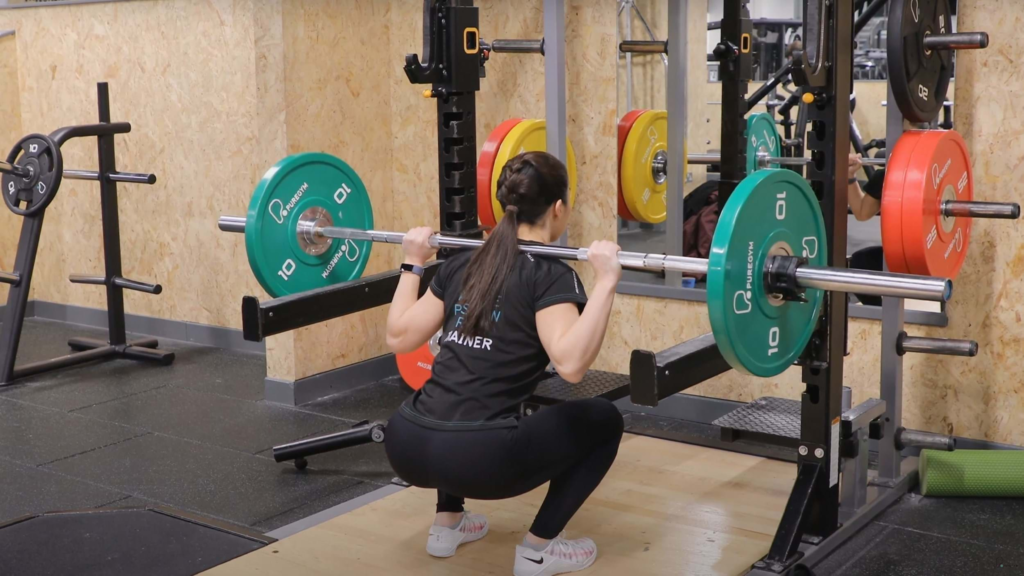
Strength training improves your ability to produce force—lifting groceries, climbing stairs, getting up from the floor, or maintaining bone density as you age. According to the CDC, adults who perform muscle-strengthening activities at least twice per week have lower rates of all-cause mortality and functional decline.
Strength training typically includes:
- Free weights or machines
- Bodyweight exercises
- Resistance bands
- Progressive overload over time
Beyond aesthetics, strength supports joint health, insulin sensitivity, and long-term independence—especially after age 40.
Cardio Training: Supporting Heart, Lungs, and Energy
Cardiovascular exercise improves how efficiently your heart and lungs deliver oxygen. It’s strongly linked to reduced risk of heart disease, stroke, and type 2 diabetes. The American Heart Association recommends at least 150 minutes of moderate-intensity aerobic activity per week.
Common cardio modalities include:
- Walking, jogging, or running
- Cycling or indoor biking
- Swimming
- Rowing or elliptical training
Cardio supports daily energy levels and stress regulation, but excessive cardio without strength or mobility can lead to overuse injuries and muscle loss over time.
Mobility Training: Preserving Movement Quality
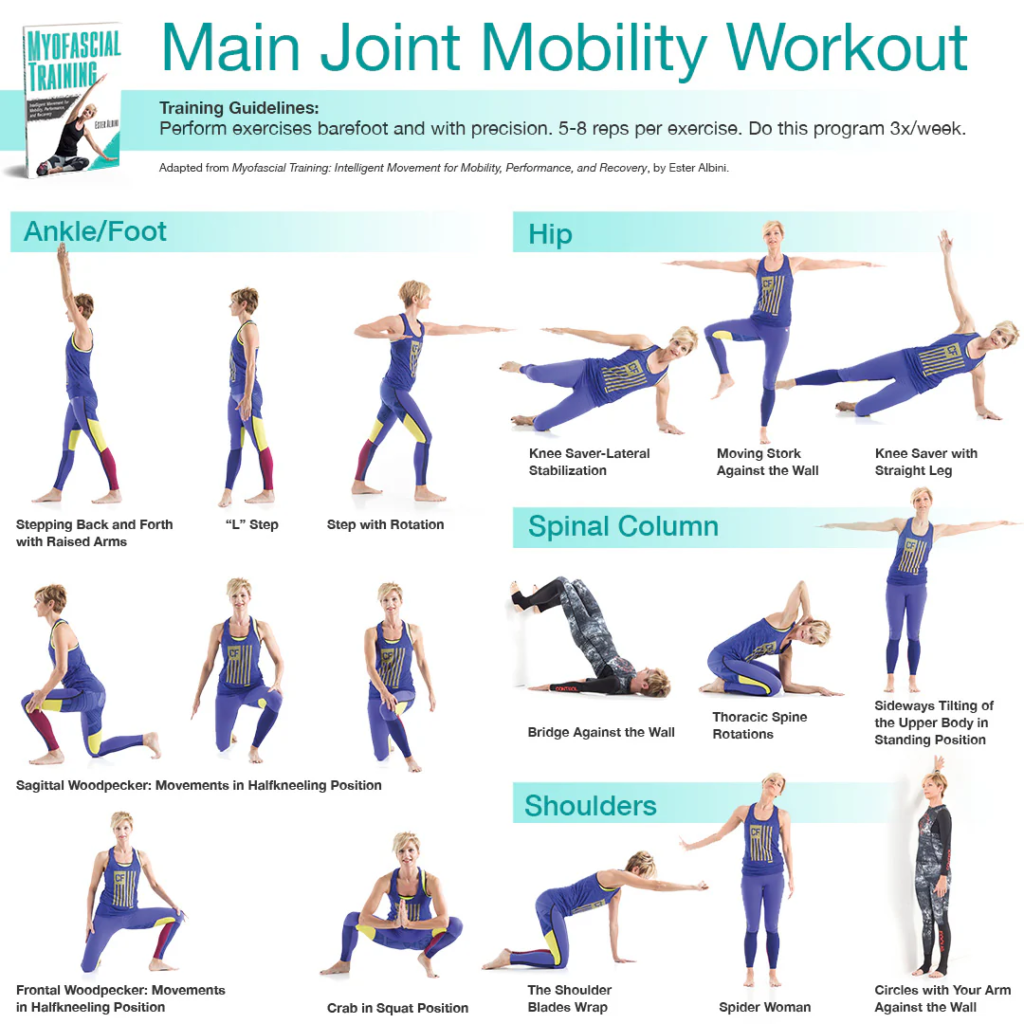
Mobility sits at the intersection of flexibility, strength, and control. It’s not just stretching—it’s the ability to move joints through full ranges of motion safely.
Mobility work includes:
- Controlled joint rotations
- Dynamic stretching
- Balance and stability exercises
- Movement pattern training
Mobility becomes increasingly important with age, sedentary work, and previous injuries. Poor mobility often shows up as chronic pain, stiffness, or recurring strains.

Which Focus Is Right for You? Start With Your Primary Goal
Americans often ask: Should I lift weights or do cardio? The better question is what outcome matters most right now.
If Your Goal Is Longevity and Daily Function
Research published in JAMA shows that combining aerobic and muscle-strengthening activity provides the greatest reduction in mortality risk. But if you must prioritize, strength often delivers the most return.
Why? Because muscle mass and bone density naturally decline with age. Strength training slows this process and preserves independence.
A practical example:
A 55-year-old office worker who walks daily but struggles with back pain and weakness will often benefit more from two to three strength sessions per week than adding more walking.
If Your Goal Is Weight Management
Both strength and cardio matter, but in different ways.
Cardio burns more calories during the activity itself. Strength training preserves lean muscle, which supports metabolic health over time. Many Americans plateau because they rely exclusively on cardio while losing muscle mass.
For sustainable weight management:
- Use cardio for energy balance and heart health
- Use strength to maintain muscle and prevent metabolic slowdown
If Your Goal Is Pain Reduction or Injury Prevention
Mobility often deserves priority here. Tight hips, stiff ankles, and limited shoulder motion are common contributors to knee, back, and shoulder pain.
A runner with recurring knee discomfort, for example, may see better results from improving hip mobility and glute strength than increasing mileage or speed.
Age, Lifestyle, and Reality: How Priorities Shift Over Time
Fitness advice often ignores life context. Your ideal focus at 25 is different from your ideal focus at 45.
In Your 20s and Early 30s
Recovery capacity is higher, and many people can tolerate higher volumes of cardio or intense training. Strength training builds a foundation, while cardio supports performance and stress relief.
A balanced approach works well:
- Strength as a base
- Cardio for conditioning
- Mobility as maintenance
In Your Late 30s to 50s
This is when many Americans notice stiffness, slower recovery, or nagging injuries. Strength becomes protective, and mobility becomes essential.
Common adjustments include:
- Fewer high-impact cardio sessions
- More emphasis on resistance training
- Regular mobility work to offset desk time
After 60
The primary goals shift toward fall prevention, joint health, and independence. Strength and mobility often outweigh intense cardio, though walking and light aerobic activity remain valuable.
How Much of Each Do You Really Need?
You don’t need to choose only one forever. The key is deciding what gets priority.
A realistic weekly framework for many adults:
- Strength: 2–3 sessions
- Cardio: 2–4 sessions (often low to moderate intensity)
- Mobility: Short daily work or longer focused sessions 2–3 times per week
Mobility doesn’t always require extra time. It can be built into warm-ups, cooldowns, or recovery days.
Common Mistakes Americans Make When Choosing a Focus
Many well-intentioned people stall progress by defaulting to what feels familiar.
Frequent issues include:
- Doing only cardio because it feels productive
- Avoiding strength due to fear of injury
- Ignoring mobility until pain appears
- Copying routines from social media without context
Fitness should solve problems, not create new ones. Discomfort, plateaus, and burnout are often signals that priorities need adjustment.
How to Assess Your Own Needs (Without Fancy Testing)
You don’t need a lab assessment to make an informed decision. Simple questions offer clarity.
Ask yourself:
- Do daily tasks feel harder than they used to? (Strength)
- Do I get winded easily during basic activities? (Cardio)
- Do I feel stiff, restricted, or achy most days? (Mobility)
Your honest answers point directly to what deserves attention first.
Building a Sustainable Blend That Fits Real Life
Consistency beats perfection. A plan you can maintain for years is more valuable than an aggressive program you abandon in six weeks.
For busy Americans, this often means:
- Shorter, focused strength sessions
- Low-impact cardio like walking or cycling
- Brief but frequent mobility work
Fitness should support your life—not compete with it.
Frequently Asked Questions
1. Can I skip cardio if I lift weights?
No. Strength supports metabolic health, but cardiovascular fitness is essential for heart and lung health.
2. Is walking enough cardio for most adults?
For many, brisk walking meets basic guidelines, especially when combined with strength training.
3. How long should mobility sessions be?
Even 5–10 minutes daily can make a meaningful difference over time.
4. Should older adults avoid heavy lifting?
Not necessarily. Properly coached resistance training is safe and beneficial at most ages.
5. What’s better for joint health: cardio or strength?
Strength training improves joint stability; low-impact cardio supports circulation and recovery.
6. Can mobility training replace stretching?
Mobility includes stretching but adds control and strength through range of motion.
7. How do I know if I’m overdoing cardio?
Persistent fatigue, declining strength, or recurring injuries are common signs.
8. Is it okay to focus on one pillar for a few months?
Yes. Short-term focus blocks can be effective if the other pillars aren’t ignored entirely.
9. Do I need a gym for strength training?
No. Bodyweight and resistance bands are sufficient for many goals.
Choosing What Your Body Is Asking For Right Now
Fitness decisions don’t need to be permanent declarations. They’re temporary priorities based on current needs. Strength builds resilience, cardio supports vitality, and mobility protects movement quality.
The smartest approach isn’t choosing one forever—it’s listening carefully, adjusting intelligently, and committing to what your body actually needs today.
A Clear Snapshot to Take With You
- Strength preserves muscle, bone, and long-term independence
- Cardio supports heart health, stamina, and daily energy
- Mobility protects joints and reduces pain
- Most adults benefit from all three, with shifting priorities over time