
Summary
Healthy skin reflects more than the products on your shelf. This article reframes skincare as one part of a balanced lifestyle—shaped by sleep, stress, nutrition, environment, and habits. Learn how to build realistic routines, avoid overcorrection, and support long-term skin health without chasing quick fixes or marketing hype.
Why Skincare Is Often Treated Like a Solution—And Why That’s a Problem
In the U.S., skincare is frequently marketed as a corrective tool: fix acne, erase wrinkles, calm redness, reverse damage. This framing is understandable. Skin is visible, personal, and tied closely to confidence. But it also creates unrealistic expectations. When skincare is positioned as a cure-all, people often overuse products, chase trends, or blame themselves when results don’t match promises.
Dermatologists and public health experts increasingly emphasize that skin health mirrors overall health. According to data published by the National Institutes of Health, chronic stress, poor sleep, and inflammatory diets can measurably affect skin barrier function and wound healing. Products matter—but they operate within a much larger biological system.
When skincare is treated as a fix rather than a support, it can lead to frustration, unnecessary spending, and even skin damage from over-exfoliation or incompatible ingredient layering.
Skin Is a Responsive Organ, Not an Isolated Surface
Your skin constantly responds to internal and external signals. Hormones fluctuate, stress hormones spike, humidity changes, and environmental pollutants accumulate. No serum can override these inputs.
For example, cortisol—the body’s primary stress hormone—has been shown to increase oil production and impair the skin barrier. This is why adults under chronic stress often experience breakouts or flare-ups even with “good” routines.
Similarly, sleep deprivation reduces collagen synthesis and increases transepidermal water loss. A 2015 clinical study in Clinical and Experimental Dermatology found that poor sleepers showed significantly worse skin aging scores and slower recovery from environmental stressors.
These realities explain why two people using the same products can see very different outcomes. Skin responds to lifestyle context first, topical care second.

The Hidden Cost of Overcorrecting Skin Problems
Many Americans respond to skin concerns by intensifying their routines—adding acids, retinoids, masks, and treatments in quick succession. While each ingredient may be beneficial individually, stacking them without recovery time often backfires.
Common consequences include:
- Compromised skin barrier leading to sensitivity
- Rebound oil production after aggressive cleansing
- Increased inflammation mistaken for “purging”
- Difficulty identifying which product is actually helping
Dermatologists frequently see patients who have “over-treated” their skin into chronic irritation. The fix in these cases is rarely another product. It’s simplification, patience, and lifestyle adjustment.
A balanced approach recognizes that skin needs periods of stability just as muscles need rest between workouts.
Nutrition, Hydration, and Skin: What Actually Matters
Diet is often oversimplified in skincare discussions. No single food causes acne, and no superfood guarantees glow. However, patterns matter.
Research published in the Journal of the American Academy of Dermatology suggests that high glycemic-load diets may worsen acne in some individuals, while diets rich in omega-3 fatty acids can help modulate inflammation.
Practical dietary considerations that support skin health include:
- Consistent hydration rather than extreme water intake
- Balanced meals with protein, fiber, and healthy fats
- Limiting ultra-processed foods during inflammatory flares
- Paying attention to personal triggers instead of universal rules
This isn’t about restriction. It’s about recognizing that skin reflects nutritional adequacy and metabolic balance over time, not daily perfection.

Stress, Hormones, and the Skin–Mind Connection
Stress management is one of the most underutilized skincare strategies. Psychological stress has been shown to delay skin barrier recovery and exacerbate conditions like eczema, psoriasis, and acne.
In real-world terms, this means:
- A demanding work schedule can trigger breakouts even with consistent routines
- Emotional stress may worsen redness or itching without visible cause
- Relaxation practices can improve skin resilience over weeks, not days
Mindfulness, regular movement, and adequate downtime don’t replace skincare—but they enhance its effectiveness. For many people, improving sleep quality or reducing chronic stress produces more noticeable skin improvements than upgrading products.
Environmental Exposure and Daily Habits Matter More Than You Think
Sun exposure remains the most significant external factor in visible skin aging. According to the American Academy of Dermatology, up to 90% of visible aging is attributable to ultraviolet exposure.
Beyond sunscreen, daily habits also influence skin outcomes:
- Frequent face-touching increases bacterial transfer
- Inconsistent cleansing allows pollution buildup
- Indoor heating and air conditioning reduce ambient humidity
- Blue light exposure may contribute to oxidative stress
Balanced skincare accounts for these realities without obsessing over them. Protective habits, applied consistently, outperform complex routines used sporadically.
What a Lifestyle-Aligned Skincare Routine Actually Looks Like
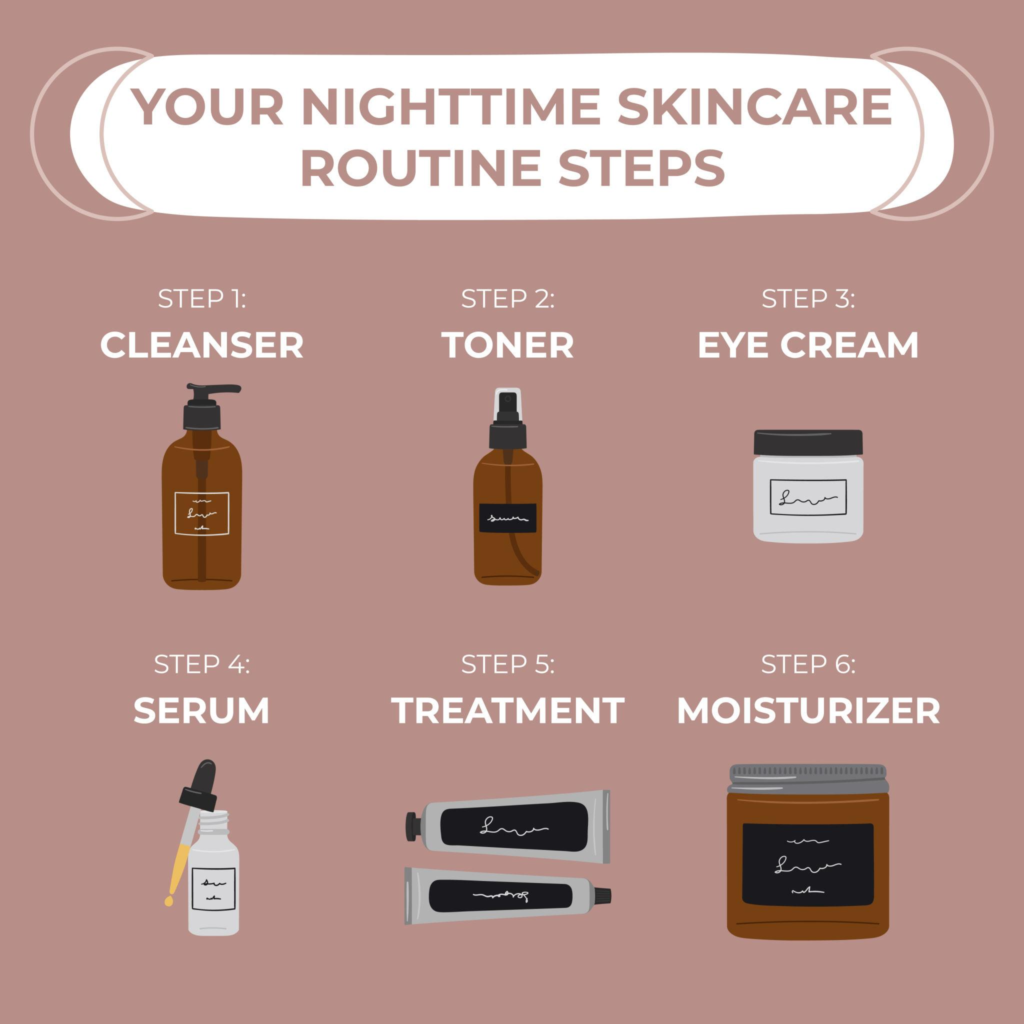
A skincare routine aligned with a balanced lifestyle prioritizes consistency, tolerance, and adaptability. It evolves with seasons, stress levels, and life changes rather than staying rigid.
Such a routine typically includes:
- Gentle cleansing suited to skin type
- Daily sun protection
- One or two targeted treatments used consistently
- Regular assessment rather than constant additions
For example, someone training for a marathon may temporarily reduce exfoliation due to increased sweat and friction. A new parent may simplify routines during periods of disrupted sleep. These adjustments aren’t failures—they’re signs of alignment.
How to Set Realistic Expectations for Skin Progress
Skin operates on biological timelines. Cellular turnover, collagen synthesis, and barrier repair occur over weeks to months. Expecting visible transformation in days often leads to disappointment.
Realistic expectations include:
- Initial improvements in comfort before appearance
- Gradual reduction in flare frequency rather than elimination
- Seasonal variation in skin behavior
- Plateaus that require patience, not escalation
Dermatologists often advise evaluating routines over 8–12 weeks before making changes. This timeframe respects how skin actually functions rather than how marketing suggests it should.
When Skincare Is Medical—and When It Isn’t
Some skin concerns require medical treatment. Persistent acne, rosacea, eczema, or suspicious lesions should be evaluated by a qualified professional. Skincare supports these treatments but doesn’t replace diagnosis.
Conversely, many everyday concerns—dullness, mild dryness, occasional breakouts—are lifestyle-responsive. Understanding this distinction prevents unnecessary product cycling and encourages appropriate care.
Balanced skincare means knowing when to seek medical advice and when to focus on habits, consistency, and time.
Frequently Asked Questions
Is skincare less important than lifestyle factors?
No. Skincare and lifestyle work together. Products support the skin barrier, while lifestyle factors determine how well that support functions.
Can stress really cause breakouts?
Yes. Stress hormones increase oil production and inflammation, both of which can contribute to acne.
How long should I try a product before judging results?
Generally 6–12 weeks, unless irritation occurs sooner.
Does drinking more water automatically improve skin?
Hydration helps overall health, but excessive water intake doesn’t directly hydrate skin beyond normal needs.
Is a minimal routine better than a complex one?
For many people, yes. Fewer products reduce the risk of irritation and improve consistency.
Can poor sleep affect wrinkles?
Chronic poor sleep has been associated with reduced collagen production and slower skin repair.
Do supplements improve skin health?
Evidence is mixed. Supplements should address deficiencies, not replace a balanced diet.
Is aging skin a sign of poor skincare?
No. Aging is biological. Skincare can support skin quality but cannot stop aging.
How do I know if I’m over-treating my skin?
Persistent redness, stinging, tightness, or breakouts despite multiple products are common signs.
Living With Your Skin, Not Against It
When skincare is reframed as maintenance rather than correction, it becomes more sustainable and less emotionally charged. Skin will still change with stress, seasons, and age—but those changes feel manageable instead of personal failures. The goal isn’t perfect skin; it’s resilient skin that fits into a full, functional life.
What to Remember Moving Forward
- Skin reflects overall health patterns, not just product choices
- Consistency beats complexity over time
- Lifestyle changes often amplify skincare results
- Patience is a practical strategy, not passive acceptance