

Summary
U.S. travelers are reshaping how, why, and where they vacation. Rising costs, flexible work, and a stronger focus on well-being are driving more intentional, value-driven travel decisions. This article examines the evolving priorities of American vacationers—covering planning habits, destination choices, budgeting strategies, and experience preferences—offering practical insights grounded in real-world behavior and credible data.
The Shift From “More Trips” to “Better Trips”
For decades, travel success was often measured by frequency: how many destinations, how many miles, how many stamps on a passport. Today, U.S. vacationers are quietly redefining that equation. Instead of maximizing volume, they are optimizing quality.
According to recent consumer research from Deloitte and the U.S. Travel Association, Americans are taking fewer trips per year on average, but spending more time planning and allocating higher budgets to trips that feel personally meaningful. This change reflects a broader cultural shift toward intentional living—travel included.
Many travelers now approach vacation planning with a question that goes beyond logistics: Will this trip actually restore me? The answer increasingly determines where they go, how long they stay, and what they choose to do once they arrive.
Why Value Now Outweighs Luxury
Value does not mean cheap. It means worth it.
Rising airfare, hotel rates, and daily expenses have forced travelers to scrutinize every dollar. But rather than abandoning travel, many Americans are making more strategic trade-offs. They might skip first-class flights in favor of better accommodations, or choose fewer excursions so they can linger longer in one place.
This mindset shows up clearly in booking behavior:
- Travelers are comparing total trip costs, not just base prices
- Flexible date searches are increasingly common
- Refundable and changeable bookings are prioritized
What matters most is predictability and transparency. Hidden fees and unclear cancellation policies are among the top reasons travelers abandon bookings mid-process, according to data from Expedia Group.
In practice, value-driven travel often looks like renting a well-located apartment instead of a resort, or choosing a regional destination that offers depth rather than flash.

The Rise of Time-Rich Travel
Time has become one of the most valuable travel currencies.
Remote and hybrid work arrangements have allowed millions of Americans to stretch trips beyond traditional vacation windows. This has led to the growth of what travel analysts call “blended trips”—part work, part leisure.
Instead of a rushed four-day getaway, travelers are opting for 10–14 day stays where:
- Mornings are reserved for work
- Afternoons and weekends are for exploration
- Travel feels less compressed and more lived-in
This approach is especially popular among travelers in their 30s and 40s, who are balancing career responsibilities with family life. It also explains the growing demand for reliable Wi-Fi, quiet accommodations, and destinations that support daily routines rather than disrupt them.
Domestic Travel Is No Longer a Compromise
Domestic travel once carried a reputation for being the “fallback option.” That perception has changed.
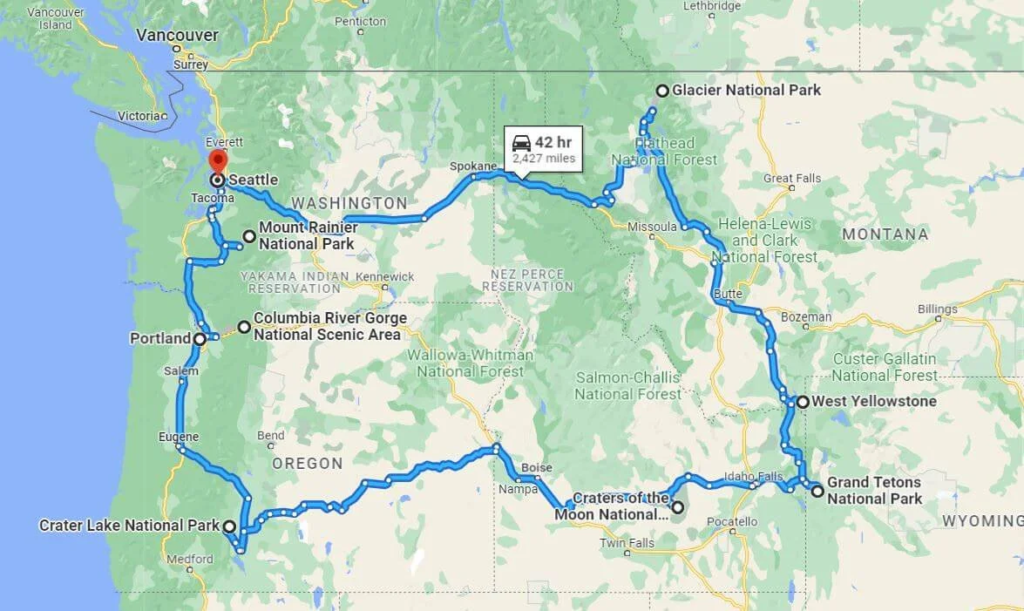
With international travel still perceived by some as complex or unpredictable, U.S. vacationers are rediscovering the diversity of experiences available closer to home. National parks, mid-sized cities, and lesser-known regions are seeing increased interest, especially outside peak seasons.
Travelers cite several advantages:
- Shorter travel times
- Lower overall risk
- Easier planning and fewer documentation hurdles
More importantly, domestic destinations now feel emotionally resonant. Visiting places tied to family history, cultural heritage, or personal milestones carries a depth that novelty alone cannot provide.

Experiences Are Replacing Itineraries
The modern American traveler is less interested in checking boxes and more focused on how a place feels.
Rather than packed itineraries, travelers are prioritizing experiences that offer connection—whether to nature, local communities, or themselves. This often means fewer scheduled activities and more unstructured time.
Common examples include staying in one neighborhood instead of bouncing between cities, or choosing a single guided experience led by locals instead of multiple generic tours. Food-focused travel, hands-on workshops, and outdoor activities consistently rank high in satisfaction surveys.
The underlying priority is presence. Travelers want to return home feeling changed, not exhausted.
Health, Wellness, and Emotional Recovery Matter More Than Ever
Travel has become a form of recovery, not escape.
Post-pandemic research from the American Psychological Association highlights sustained levels of stress among working adults. As a result, vacation planning increasingly centers on rest, mental clarity, and physical well-being.
This shows up in destination choices—quieter locations, access to nature, and slower-paced environments—and in accommodations that support sleep, movement, and downtime.
Even adventure-oriented travelers are building rest days into their plans. The idea that a vacation should leave you needing another vacation is losing appeal.
Sustainability Is Personal, Not Performative
Sustainability remains a consideration, but it has matured.
Rather than grand gestures, travelers are making practical, personal decisions: choosing nonstop flights to reduce emissions, supporting local businesses, and avoiding overcrowded attractions. These choices are less about signaling values and more about aligning actions with personal ethics.
Importantly, travelers are realistic. They want options that fit into real budgets and schedules, not moral perfection. Transparency from travel providers—about labor practices, environmental impact, and community involvement—helps build trust and loyalty.
Planning Tools Are Changing Expectations
Digital tools have reshaped how Americans plan and evaluate travel.
Review platforms, interactive maps, and AI-assisted planning tools allow travelers to visualize trips more clearly before booking. This has raised expectations: travelers arrive better informed and less tolerant of disappointment.
However, there is also growing fatigue with endless research. Many travelers now aim for “good enough” planning—trusted sources, fewer tabs, and decisions made with confidence rather than optimization.
The most successful travel brands and destinations are those that simplify decision-making instead of complicating it.
Frequently Asked Questions
Why are Americans taking fewer trips but spending more per trip?
Travelers are prioritizing quality, comfort, and emotional value, leading to fewer but more meaningful vacations.
Is domestic travel really growing in popularity?
Yes. U.S.-based destinations benefit from convenience, flexibility, and renewed appreciation for regional diversity.
How has remote work changed vacation planning?
It allows longer stays, midweek travel, and blended work-leisure trips that reduce time pressure.
Are travelers still concerned about rising costs?
Absolutely, but they are responding with smarter planning rather than canceling travel altogether.
What types of experiences are most popular now?
Slow-paced, local, and immersive experiences consistently rank highest in traveler satisfaction.
Is sustainability still influencing travel decisions?
Yes, but in practical, personal ways rather than idealistic or performative ones.
How important is flexibility when booking travel?
Flexibility is a top priority, especially regarding cancellations and changes.
Are luxury trips declining?
No. Luxury is being redefined around comfort, space, and ease rather than extravagance.
Do travelers still rely on reviews?
Yes, but many now prioritize fewer trusted sources over exhaustive research.
How These Priorities Are Quietly Redefining Travel
The emerging travel priorities of U.S. vacationers reveal a deeper recalibration. Travel is no longer a break from real life—it is an extension of it. The most successful trips now align with how Americans want to live day to day: with intention, balance, and clarity. This shift may be subtle, but its impact on the travel landscape is lasting.
What This Means at a Glance
- Fewer trips, higher emotional return
- Time flexibility is reshaping travel length and pace
- Domestic destinations feel newly relevant
- Wellness and rest drive decision-making
- Value is defined by experience, not price