

Summary
Not every home project should be a DIY. This guide explains how to evaluate skill level, time, cost, safety, and long-term value before starting. By weighing hidden expenses, risks, and realistic outcomes, homeowners can decide when doing it themselves makes sense—and when hiring a professional is the smarter investment.
Why This Question Matters More Than Ever
DIY has become more popular in the US over the past decade, driven by rising labor costs, online tutorials, and a growing desire for self-reliance. According to data from Harvard’s Joint Center for Housing Studies, Americans spend hundreds of billions annually on home improvement, with a significant share involving homeowner-led projects. But popularity doesn’t equal suitability.
The real challenge isn’t how to DIY—it’s deciding whether you should. A poorly chosen DIY project can cost more, take longer, and introduce safety or resale risks that outweigh any short-term savings. A well-chosen one, however, can deliver real financial value, confidence, and long-term satisfaction.
This article offers a practical framework to help you make that decision clearly and realistically.
Start With the Real Goal of the Project
Before evaluating tools, costs, or tutorials, clarify why you want to take on the project. Homeowners often conflate different motivations—saving money, learning a skill, fixing an urgent issue, or improving resale value—when each goal points toward a different decision.
If your primary goal is learning, the tolerance for mistakes may be higher. If your goal is long-term durability or resale appeal, standards should be much stricter. Projects tied to safety, structural integrity, or code compliance demand a higher threshold for professional involvement regardless of cost.
Ask yourself whether success means “good enough for now” or “meets professional expectations for years to come.” That distinction alone rules out many DIY candidates.
Assess Your Actual Skill Level—Not Your Aspirational One
One of the most common DIY mistakes is overestimating transferable skills. Comfort assembling furniture does not automatically translate to installing cabinets. Painting walls does not prepare you for drywall repair or trim work.
A useful way to evaluate readiness is to break the project into its most technical steps. If even one step involves skills you’ve never practiced—or mistakes that are expensive to reverse—that step deserves serious scrutiny.
Experience-based indicators that a project may be beyond DIY include:
- Precision work where errors compound (tiling, finish carpentry)
- Systems integration (electrical, plumbing, HVAC)
- Tasks requiring specialized diagnostic judgment
- Projects where failure affects safety or insurance coverage
Confidence matters, but competence matters more.

Calculate the True Cost—Not Just Materials
DIY savings often look attractive on paper, but initial estimates rarely capture the full picture. In addition to materials, consider tool purchases, tool rentals, wasted supplies from mistakes, and the value of your time.
The US Bureau of Labor Statistics consistently shows skilled trade labor rates rising faster than inflation. That makes DIY tempting—but only if your time is flexible and errors are minimal. If a project takes three weekends instead of one afternoon, the opportunity cost grows quickly.
Also consider rework. Professionals price their expertise partly to avoid mistakes. Homeowners absorb those costs directly.
A more realistic cost comparison includes:
- Materials + 10–20% overage
- Tools you don’t already own
- Disposal fees
- Time valued at a reasonable hourly rate
- Cost to fix mistakes or hire help mid-project
When calculated honestly, many DIY savings narrow significantly.
Time Is a Constraint, Not a Footnote
Time pressure is one of the most underestimated factors in DIY decisions. Projects that disrupt kitchens, bathrooms, or entryways affect daily life. What a professional completes in two days can stretch into weeks when done evenings and weekends.
This matters especially for households with children, shared spaces, or work-from-home arrangements. Living through an unfinished project introduces stress that doesn’t appear in cost spreadsheets.
If a delay would affect basic functions—water, power, cooking, access—professional timelines often justify their price.
Understand Safety, Code, and Insurance Implications
Certain DIY projects carry risks that extend beyond the immediate task. Electrical, plumbing, structural, and gas-related work can trigger safety hazards or invalidate insurance claims if done improperly.
Local building codes often require permits for work that homeowners assume is minor. Failing to pull permits can complicate future home sales or lead to fines if issues are discovered during inspections.
Insurance providers may also deny claims linked to unpermitted or non-code-compliant work. Even if a project “looks fine,” documentation matters.
When evaluating DIY viability, ask whether:
- The work requires a permit
- A failed inspection would force costly removal
- Errors could cause injury or property damage
- You’re comfortable assuming full liability
If the downside risk is high, professional involvement is often the prudent choice.
Evaluate the Quality Standard Required
Some projects tolerate cosmetic imperfection. Others don’t. This distinction should guide your decision.
DIY works well when minor flaws are acceptable or hidden—garage shelving, garden beds, closet organization. It’s riskier when results are permanently visible or affect daily use, such as flooring, cabinetry, or bathroom tile.
Quality expectations also differ depending on whether the home is a long-term residence or a near-term sale. Buyers notice uneven finishes and amateur work quickly, even if they can’t articulate why something feels “off.”
If you would be disappointed seeing the finished result every day, DIY may not be the right path.
Consider Resale and Appraisal Impact
Not all improvements add value, and some DIY work can reduce it. Appraisers and buyers tend to discount—or even penalize—projects that appear unprofessional or undocumented.
According to the National Association of Realtors’ Remodeling Impact Report, projects like refinished hardwood floors, new roofing, and kitchen upgrades show stronger returns when professionally executed. DIY versions can still add value, but only when workmanship matches market expectations.
If resale is likely within a few years, conservative choices usually protect value better than ambitious DIY experiments.
When DIY Makes Clear Sense
DIY is often a smart choice when projects are low-risk, reversible, and skill-building. These projects typically:
- Don’t affect structural or safety systems
- Allow learning through repetition
- Can be corrected without major expense
- Improve function more than appearance
Examples include painting, basic landscaping, installing shelving, replacing fixtures, or assembling storage systems. These projects build confidence and deliver measurable benefits without outsized risk
When Hiring a Professional Is the Smarter Move
Some projects demand expertise not because homeowners lack ability, but because stakes are higher. Electrical panels, major plumbing changes, roofing, load-bearing modifications, and complex tile or finish work fall into this category.
Professionals bring not only speed and skill, but accountability. Warranties, permits, and insurance coverage shift risk away from the homeowner—often the most overlooked benefit of hiring out.
Paying for expertise is not a failure of DIY spirit. It’s an informed decision.
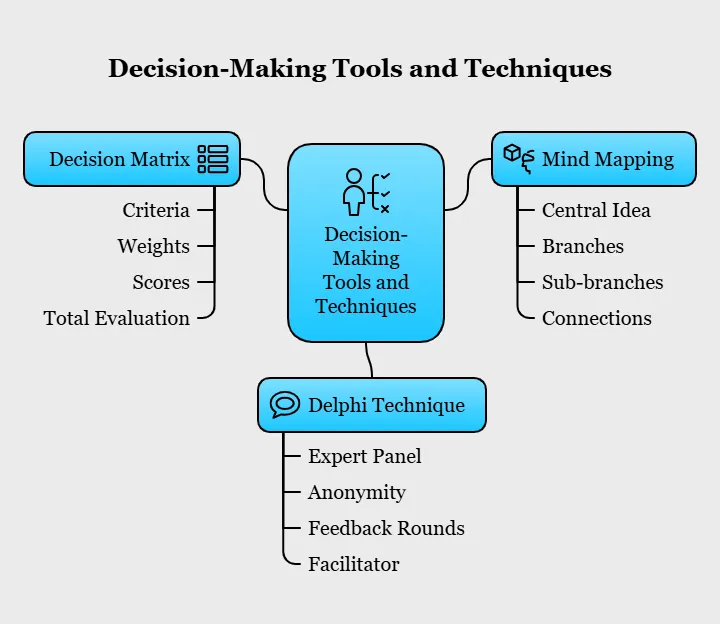
A Simple Decision Framework You Can Use
Before committing, run the project through this mental checklist:
- Skill: Have I done something comparable before?
- Risk: What happens if I get it wrong?
- Time: Can I realistically finish without major disruption?
- Cost: Have I included tools, errors, and my time?
- Quality: Will I be satisfied long-term?
- Compliance: Are permits or inspections required?
If more than two answers raise concern, pause and reconsider.
Frequently Asked Questions
Is DIY always cheaper than hiring a professional?
No. Once tools, time, and rework are included, DIY can cost more—especially for complex projects.
What DIY projects add the most value to a home?
Painting, basic landscaping, minor kitchen updates, and lighting improvements tend to offer good returns when done well.
How do I know if a project requires a permit?
Check your local building department’s website or call directly. Requirements vary by jurisdiction.
Can DIY work affect home insurance?
Yes. Improper or unpermitted work can complicate claims or lead to denial.
Is YouTube a reliable way to learn DIY skills?
It’s useful for basics, but videos rarely show consequences of mistakes or local code differences.
What’s the biggest DIY mistake homeowners make?
Underestimating complexity and overestimating transferable skills.
Should beginners avoid all major projects?
Not necessarily, but beginners should start with low-risk tasks and build skills gradually.
Does DIY hurt resale value?
It can if workmanship looks amateur or lacks permits. Quality and documentation matter.
How do professionals finish projects so much faster?
Experience, specialized tools, and efficient sequencing reduce delays and errors.
Choosing Capability Over Convenience
Deciding whether to DIY isn’t about confidence or ambition—it’s about judgment. The smartest homeowners aren’t those who do everything themselves, but those who understand which projects reward hands-on effort and which demand professional precision. When decisions are made with clarity instead of optimism, both outcomes and satisfaction improve.
Key Signals to Watch Before You Start
- Projects tied to safety, structure, or code deserve extra caution
- Time pressure changes the true cost of DIY
- Cosmetic tolerance matters more than enthusiasm
- Documentation protects future value
- Knowing when to stop is a skill, too