
Summary
Building a fitness routine that fits your lifestyle means aligning exercise with your schedule, energy levels, preferences, and long-term health goals. This guide explains how Americans can create sustainable routines—without burnout—by focusing on realistic habits, flexible planning, and evidence-based strategies that work in real life, not just on paper.
For many Americans, the hardest part of fitness isn’t motivation—it’s compatibility. A workout plan may look perfect online, but if it clashes with work hours, family responsibilities, energy levels, or physical limitations, it rarely lasts. The most effective fitness routines aren’t extreme or trendy. They’re realistic, flexible, and designed to support daily life rather than compete with it.
This article breaks down how to create a fitness routine that works with your lifestyle, not against it—whether you’re balancing a desk job, parenting, shift work, or simply trying to stay consistent in a busy world.
Why Most Fitness Plans Fail in Real Life
Many fitness programs are built around ideal conditions: unlimited time, high energy, and consistent access to gyms or equipment. That’s not how most Americans live.
According to data from the U.S. Centers for Disease Control and Prevention (CDC), fewer than 25% of adults meet recommended physical activity guidelines. This gap isn’t due to lack of awareness—it’s often due to unrealistic expectations.
Common reasons routines fail include:
- Overly rigid schedules
- Excessive time commitments
- One-size-fits-all intensity levels
- Ignoring recovery, stress, or sleep
- All-or-nothing thinking
Sustainable fitness starts by acknowledging reality. Your routine should reflect your actual week, not your ideal one.
Start With Your Lifestyle, Not the Workout
Before choosing exercises, it’s critical to understand the framework of your daily life. Fitness should adapt to you—not the other way around.
Consider your schedule patterns. Do you work standard office hours, rotating shifts, or long days on your feet? Are mornings predictable, or does your day stabilize later in the evening? Identifying when you realistically have energy matters more than finding the “best” workout time.
Equally important is understanding your stress load. High-stress weeks often require lower-intensity movement, not aggressive training. Research published in Sports Medicine shows that chronic stress can reduce recovery capacity and increase injury risk when training intensity isn’t adjusted.
Your environment also matters. Access to safe walking areas, home space, or nearby facilities should guide your choices. A simple walking routine that fits seamlessly into your day is often more effective than a complex gym plan you struggle to maintain.
Define What “Fitness” Actually Means to You
Fitness isn’t a single outcome. For some Americans, it means managing blood pressure or blood sugar. For others, it’s about strength, mobility, mental health, or energy.
Clarifying your primary goal helps filter out unnecessary complexity. Ask yourself what improvement would most positively affect your life in the next six months.
Common lifestyle-aligned fitness goals include:
- Having more energy during the workday
- Reducing back or joint discomfort
- Improving sleep quality
- Managing weight without rigid dieting
- Staying active as you age
The American College of Sports Medicine emphasizes that consistency outweighs intensity for long-term health outcomes. Your routine should prioritize what you can repeat week after week.
Choose Movement You Can Repeat Consistently
Enjoyment isn’t optional—it’s foundational. People are far more likely to maintain activities they don’t actively dislike.
If you dread running, forcing yourself into a running-based program is rarely effective. Alternatives like brisk walking, cycling, rowing, swimming, or low-impact strength training provide comparable cardiovascular benefits when done consistently.
Practical examples of repeatable movement:
- Walking meetings during work breaks
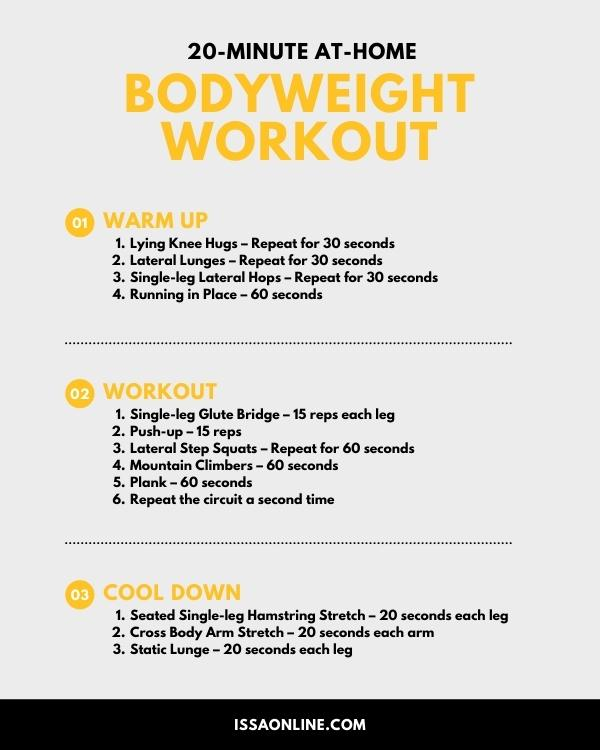
- Short strength circuits at home using bodyweight
- Weekend hikes with family or friends
- Group fitness classes that double as social time
A study in Frontiers in Psychology found that intrinsic enjoyment strongly predicts long-term exercise adherence. If a routine fits your preferences, it’s already more sustainable.

Build Around Time, Not Ideals
One of the biggest mistakes people make is overestimating available time. A routine that assumes 90-minute workouts five days a week will likely collapse.
Instead, build around the minimum effective dose. Research shows that even 10–20 minutes of moderate activity can deliver measurable health benefits when performed regularly.
Rather than asking, “How much should I exercise?” ask, “What can I do on my busiest week?”
Effective time-based strategies include:
- 20-minute workouts scheduled like appointments
- Splitting movement into short daily sessions
- Pairing exercise with existing habits (walking after dinner, mobility before bed)
Consistency beats volume every time.
Balance Strength, Cardio, and Mobility—Without Overthinking It
A well-rounded routine doesn’t need complexity. Most adults benefit from addressing three core components: strength, cardiovascular fitness, and mobility.
Strength training supports bone density, metabolic health, and injury prevention. Cardio improves heart health and stamina. Mobility keeps joints functioning well and reduces stiffness from sedentary work.
You don’t need separate days for each. Many routines blend them naturally. For example, a brisk walk with hills builds cardio and leg strength, while short resistance sessions followed by stretching cover multiple bases efficiently.
The Physical Activity Guidelines for Americans recommend:
- Muscle-strengthening activities at least two days per week
- Moderate-intensity aerobic activity totaling 150 minutes weekly
These are guidelines, not mandates. Adjustments based on age, health, and lifestyle are expected.
Plan for Low-Energy and High-Stress Days
One of the most overlooked aspects of sustainable fitness is planning for inconsistency. Life happens—travel, illness, deadlines, and family needs disrupt routines.
Instead of skipping workouts entirely during tough weeks, create a “minimum version” of your routine. This could be a 10-minute walk, light stretching, or gentle bodyweight movements.
Maintaining the habit—even at reduced intensity—protects momentum. Behavioral research shows that preserving identity (“I’m someone who moves regularly”) matters more than perfect execution.
Track Progress in Ways That Actually Matter
Progress isn’t just about weight or aesthetics. Many meaningful benefits appear elsewhere first.
Pay attention to:
- Energy levels throughout the day
- Sleep quality
- Reduced aches or stiffness
- Improved mood and stress tolerance
- Ability to perform daily tasks with ease
These indicators often improve before visible changes and are stronger predictors of long-term success.
Simple journaling or weekly check-ins can help identify patterns without becoming obsessive.
When to Adjust—or Ask for Professional Help
A routine that once fit may stop working as life changes. Career shifts, aging, injuries, or new responsibilities require reassessment.
If pain persists, progress stalls for months, or motivation consistently drops, consulting a certified fitness professional or physical therapist can provide clarity. Guidance doesn’t mean dependence—it often accelerates independence.
Frequently Asked Questions
How many days a week should I work out if I’m busy?
Three to four days of intentional movement is enough for most adults if sessions are consistent.
Is walking really enough exercise?
Yes. Brisk walking improves cardiovascular health, supports weight management, and reduces mortality risk.
What if I hate gyms?
Home workouts, outdoor activities, and bodyweight routines are equally effective when done consistently.
Should I work out in the morning or evening?
The best time is when you’re most likely to stick with it. Consistency matters more than timing.
Do I need equipment to get fit?
No. Bodyweight exercises and walking can build strength and endurance effectively.
How long before I see results?
Most people notice improvements in energy and mood within 2–4 weeks.
Is it okay to skip workouts during stressful weeks?
It’s better to reduce intensity than stop entirely. Small efforts maintain habits.
Can fitness help with mental health?
Yes. Regular physical activity is linked to reduced anxiety and improved mood.
How do I avoid burnout?
Build flexibility into your plan and prioritize recovery and sleep.
A Smarter Way to Think About Fitness Long Term
The most effective fitness routine is one that evolves with your life. Instead of chasing perfection, focus on alignment—between your goals, your energy, and your reality. When fitness supports your lifestyle rather than competes with it, consistency becomes natural, not forced.
What to Remember Moving Forward
- Fitness should fit your real schedule
- Enjoyment increases consistency
- Short sessions still count
- Flexibility prevents burnout
- Progress shows up in many forms