
Summary
Social media now shapes daily routines in subtle but lasting ways—from how Americans wake up and work to how they relax and connect. This article examines the quiet behavioral shifts driven by platforms, explores real-world implications for modern life, and offers practical insight into using social media more intentionally without disconnecting entirely.
The Subtle Integration of Social Media Into Everyday Life
Social media rarely announces its influence. There’s no alarm bell when a morning routine changes or when an evening winds down differently than it used to. Yet for most Americans, social platforms have become deeply woven into daily habits—often without deliberate choice.
According to Pew Research Center, over 70% of U.S. adults use social media, and usage cuts across age, income, and education levels. What’s changed in recent years isn’t just how many people use social platforms, but how routinely they rely on them. Social media has shifted from being an occasional activity to a background presence that frames everyday decisions.
This integration matters because routines shape behavior, and behavior shapes lifestyle. Understanding where social media fits into that loop helps explain why modern life feels faster, more connected, and at times more fragmented than before.
Morning Habits: The Quiet Start With a Screen
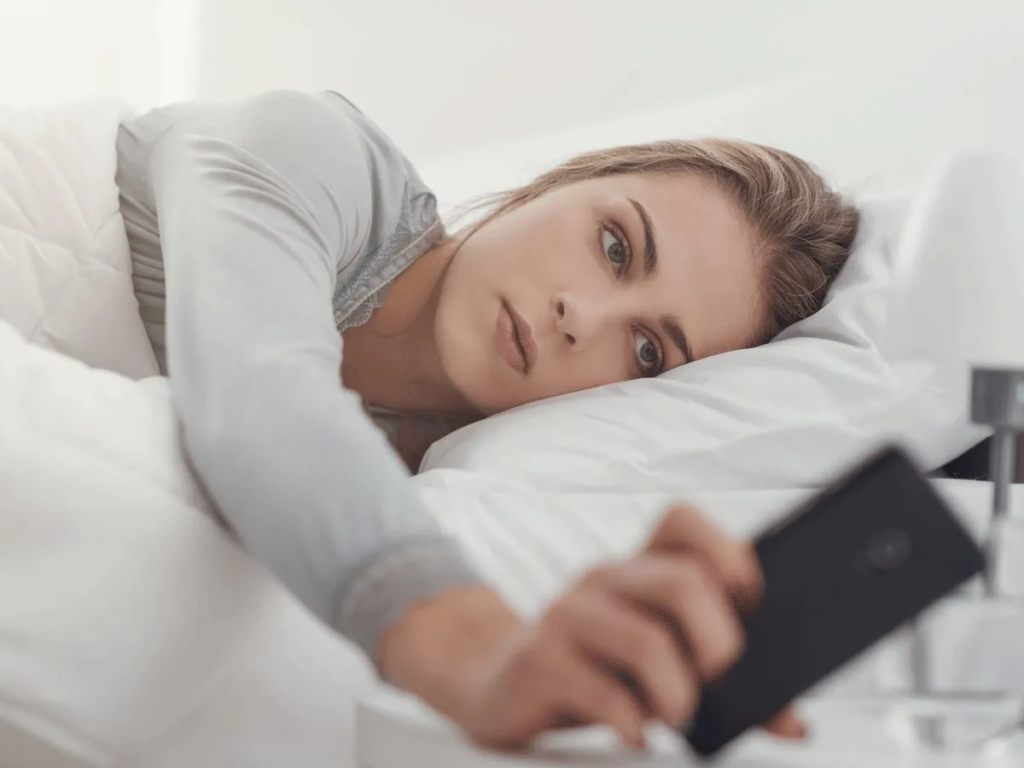
For many Americans, social media now plays a role in the first moments of the day. Instead of easing into the morning with a newspaper, radio, or silence, millions reach for a phone within minutes of waking up.
This habit isn’t driven by conscious choice so much as design. Notifications arrive overnight. Feeds refresh endlessly. The brain, still transitioning from sleep, responds easily to novelty and social signals.
Over time, this pattern reshapes mornings in subtle ways:
- News consumption becomes fragmented rather than contextual.
- Emotional tone for the day is influenced by what appears first in the feed.
- Attention shifts away from internal planning toward external input.
These effects don’t necessarily harm productivity or well-being on their own. But they do demonstrate how social media increasingly sets the pace of the day before work, family, or personal priorities come into focus.

Social Media at Work: Between Utility and Distraction
Social platforms no longer sit clearly outside the workday. For many professions—marketing, journalism, education, sales, and freelance work—social media is a legitimate tool. Even in roles where it isn’t required, it often becomes part of informal communication and awareness.
The influence here is nuanced. Social media can support professional routines by enabling:
- Industry awareness through real-time updates
- Networking without geographic limits
- Personal branding and career visibility
At the same time, constant accessibility introduces micro-disruptions. Brief scrolls during breaks stretch into longer detours. Workflows fragment. Mental transitions between tasks become more frequent.
Research from productivity studies suggests that even short interruptions can reduce cognitive efficiency. Social media doesn’t cause this alone, but its design makes interruption effortless. Over time, that changes how Americans structure focus, breaks, and expectations around responsiveness at work.
How Social Media Shapes Social Interaction—Online and Off
Social media’s most visible impact lies in how people connect with one another, but the deeper influence shows up in everyday social rhythms.
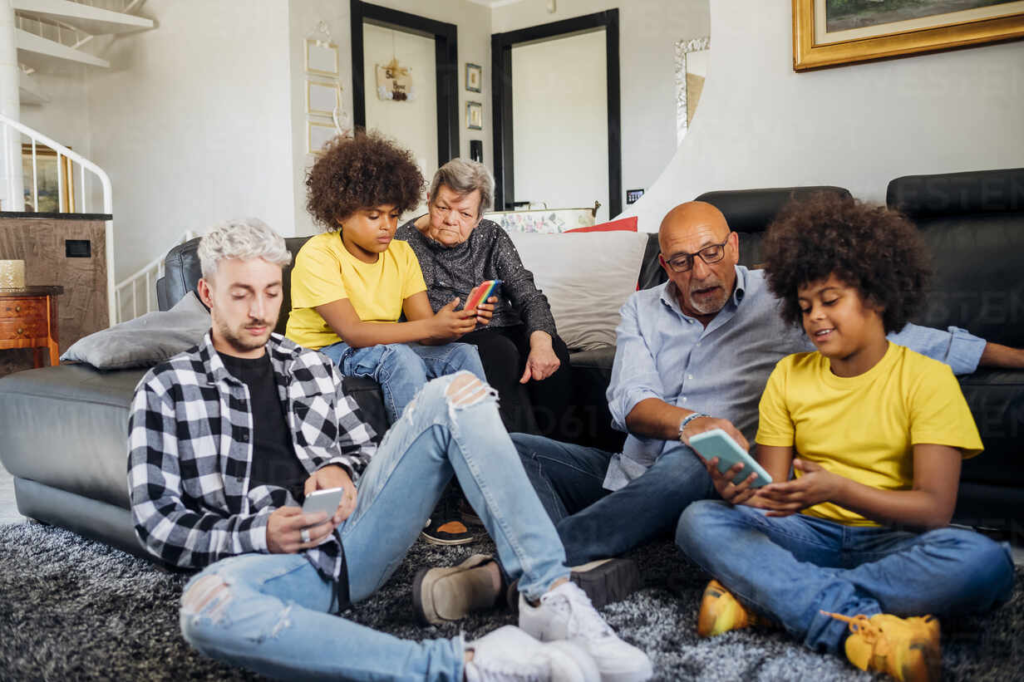
Casual check-ins, once done by phone or in person, are now replaced by likes, views, or short replies. Birthdays, life updates, and milestones arrive in feeds rather than conversations. These shifts alter not just communication methods, but emotional pacing.
For many users, social media:
- Maintains weak ties that would otherwise fade
- Reduces friction in staying socially “up to date”
- Creates shared cultural reference points
At the same time, reliance on feeds can quietly reduce spontaneous interaction. Instead of asking someone how they’re doing, people often already “know” from posts—at least on the surface.
This dynamic doesn’t eliminate connection, but it changes its texture. Modern social life becomes broader and more continuous, while sometimes feeling less deep or intentional.
Leisure Time in the Age of Infinite Content
One of social media’s most significant effects on daily life appears during unstructured time. Waiting in line, sitting on the couch, or winding down at night—moments once filled by boredom or reflection—are now easily occupied by scrolling.
This shift matters because leisure plays a key role in mental recovery. Social media provides stimulation without effort, which makes it appealing after long days. But not all stimulation restores energy equally.
Americans increasingly report feeling busy even during downtime. Social media contributes by:
- Filling pauses that once allowed mental rest
- Encouraging comparison rather than relaxation
- Extending work-related awareness into evenings
None of this implies that social media ruins leisure. Instead, it reframes it. Leisure becomes more passive, more social, and more algorithmically shaped than in previous generations.
Decision-Making and Lifestyle Influence
Beyond time use, social media quietly influences everyday decisions—from what to eat and wear to how to parent or plan vacations. Influencer culture plays a role, but so does peer visibility.
Seeing how others live, even casually, creates reference points. These references shape expectations about:
- Home organization and design
- Fitness routines and wellness habits
- Family life and work-life balance
This influence often feels organic because it comes from familiar faces rather than advertisements. Yet the cumulative effect is powerful. Social media becomes a soft guidebook for modern lifestyle norms, reinforcing certain behaviors while marginalizing others.
Mental Load and Emotional Awareness
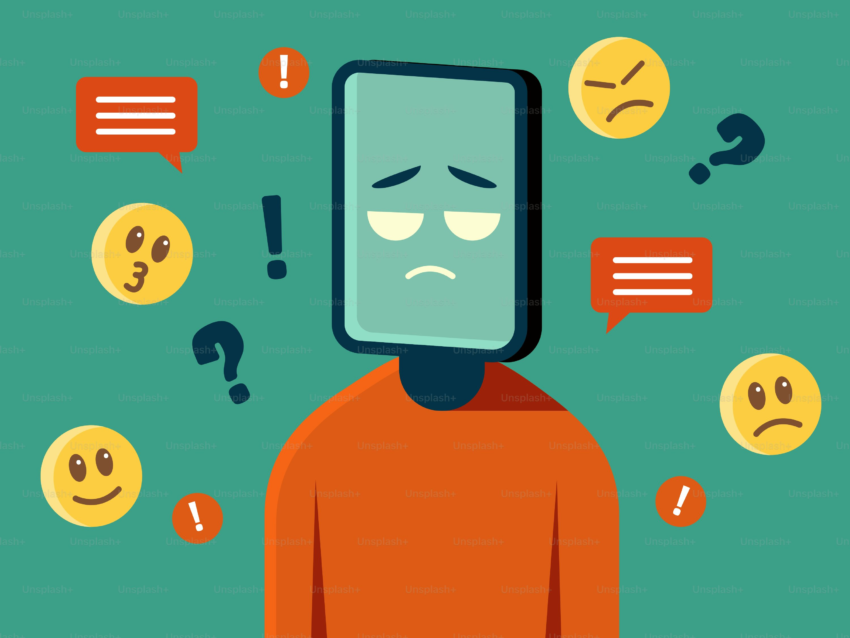
One of the least discussed effects of social media routines is the mental load they add. Constant awareness of events, opinions, and updates increases cognitive input without increasing time.
Many Americans now carry a steady background awareness of:
- Breaking news
- Social issues
- Personal updates from extended networks
This awareness can foster empathy and engagement, but it can also contribute to emotional fatigue. Unlike traditional media, social media rarely offers closure. Feeds continue indefinitely, keeping the mind in a semi-alert state even during rest periods.
Learning to manage this mental load is becoming a modern life skill rather than a niche concern.
Why These Shifts Matter for Modern Life
Taken individually, these routine changes may seem minor. Together, they reshape how Americans experience time, attention, and connection.
Social media has become a structural influence—not a trend. It shapes rhythms in the same way commuting patterns, office hours, or television once did. Ignoring its role in daily routines makes it harder to understand broader changes in productivity, mental health, and social behavior.
Recognizing these patterns isn’t about rejecting social media. It’s about understanding how modern life is quietly reorganizing itself around digital presence.
Using Social Media More Intentionally—Without Disconnecting
For most Americans, abandoning social media entirely isn’t realistic or necessary. The more practical approach is awareness and intentional use.
Small adjustments can rebalance routines without sacrificing connection:
- Designating phone-free periods during mornings or evenings
- Turning off non-essential notifications
- Choosing specific times for social browsing rather than constant access
- Curating feeds to prioritize relevance over volume
These steps don’t aim to reduce usage to zero. They aim to restore agency—to make social media a tool rather than a default.
Frequently Asked Questions
How does social media affect daily routines without people noticing?
Its influence is gradual, embedded in small habits like checking notifications or filling idle moments, which accumulate over time.
Is social media changing how Americans relax?
Yes. Leisure time increasingly involves passive consumption rather than restorative rest or offline hobbies.
Does social media really affect productivity?
Research suggests frequent micro-interruptions can reduce focus, even if each interruption feels minor.
Are younger generations affected differently than older adults?
Younger users often integrate social media more seamlessly, while older adults may notice the shift more distinctly.
Can social media improve daily life?
It can enhance connection, access to information, and professional opportunities when used intentionally.
Why does scrolling feel automatic?
Platform design encourages habitual engagement through variable content and social feedback loops.
How much social media use is considered normal?
There’s no universal benchmark; impact depends more on how and when it’s used than total time.
Does social media increase stress?
For some users, constant exposure to news and comparison can elevate stress levels.
Is it possible to change routines without deleting apps?
Yes. Adjusting notifications, timing, and content choices often has meaningful effects.
A Quieter Question Modern Life Is Asking Us
Social media hasn’t dramatically rewritten daily life—it has gently rearranged it. The question modern Americans face isn’t whether these platforms belong in everyday routines, but how consciously they’re allowed to shape them. Awareness, not abstinence, is what defines a balanced digital life.
Key Reflections to Carry Forward
- Social media shapes routines through repetition, not disruption
- Daily habits influence emotional tone and attention more than we realize
- Intentional use restores control without sacrificing connection