
Summary
Physical fitness in the U.S. is shifting away from gym-centric routines toward flexible, lifestyle-integrated movement shaped by remote work, home environments, and changing schedules. This article explores how Americans are adapting exercise habits, redefining consistency, using evidence-based strategies, and building sustainable fitness practices that fit modern work and home life.
Physical fitness in America no longer fits neatly into a pre-work gym session or an evening fitness class. Over the last decade—and especially since remote and hybrid work became mainstream—how, when, and where people move their bodies has changed. Fitness is now deeply influenced by home layouts, screen-heavy jobs, flexible schedules, and the realities of balancing work, family, and personal health.
This evolution is not about abandoning exercise standards or lowering expectations. Instead, it reflects a more realistic, sustainable approach to movement—one shaped by research, lived experience, and changing definitions of productivity and well-being.
The Shift From Structured Exercise to Integrated Movement
For much of the late 20th and early 21st centuries, physical fitness in the U.S. revolved around structured routines: gym memberships, fixed class schedules, and clearly separated “work time” and “exercise time.” That model assumed predictable hours, commuting boundaries, and dedicated leisure blocks.
Modern work-life structures have disrupted that assumption. According to the U.S. Bureau of Labor Statistics, over one-third of employed Americans now have the option to work remotely at least part of the time. This shift has blurred daily routines—and with them, traditional exercise patterns.
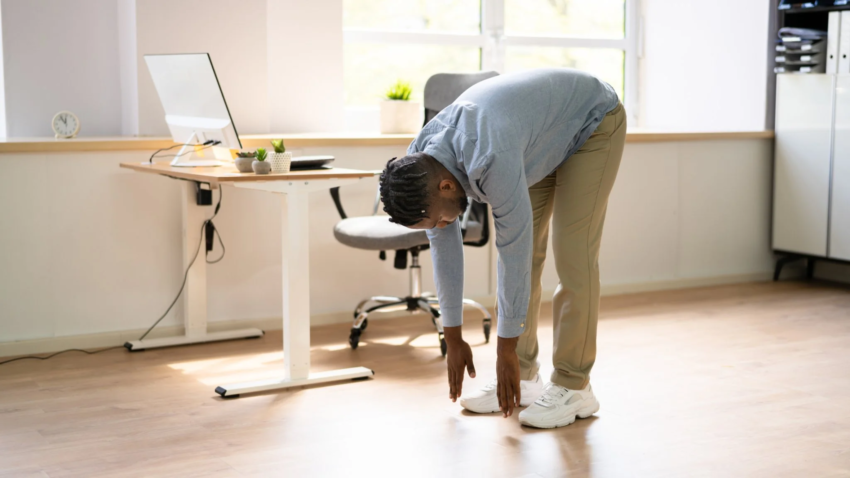
As a result, fitness is increasingly integrated into the day rather than isolated from it. Walking meetings, short mobility breaks, midday workouts, and evening recovery routines are becoming standard rather than exceptional. The goal is not to replace structured training, but to complement it with consistent movement.
How Sedentary Work Is Redefining Fitness Priorities
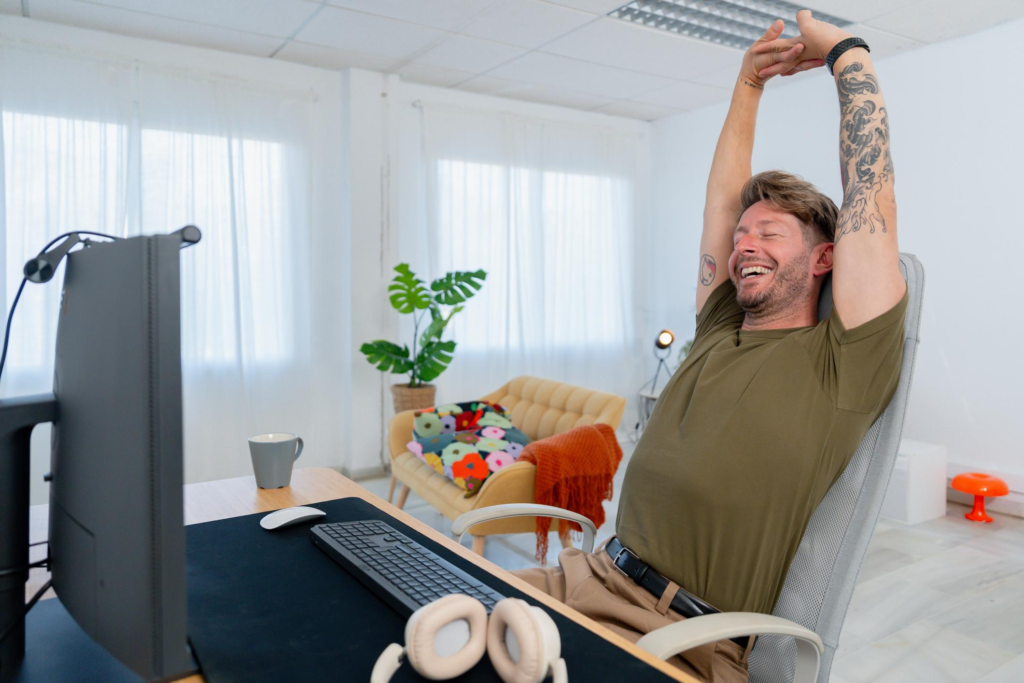
The average American adult spends more than seven hours per day sitting, according to data published in JAMA. Remote work has amplified this trend, often eliminating natural movement once provided by commuting, walking between meetings, or running errands during breaks.
This reality has shifted fitness priorities away from aesthetics and toward function. Americans are increasingly focused on:
- Joint mobility and posture support
- Core strength for prolonged sitting
- Low-impact cardiovascular health
- Injury prevention rather than performance peaks
Physical therapists and exercise scientists now emphasize “movement quality” over workout intensity. For many adults, especially those over 35, fitness success is measured by fewer aches, better energy levels, and sustained mobility—not personal records.
Home Spaces as Fitness Environments
Homes were not designed to double as offices and gyms, yet millions of Americans now expect them to do both. This has driven a reevaluation of what effective exercise environments look like.
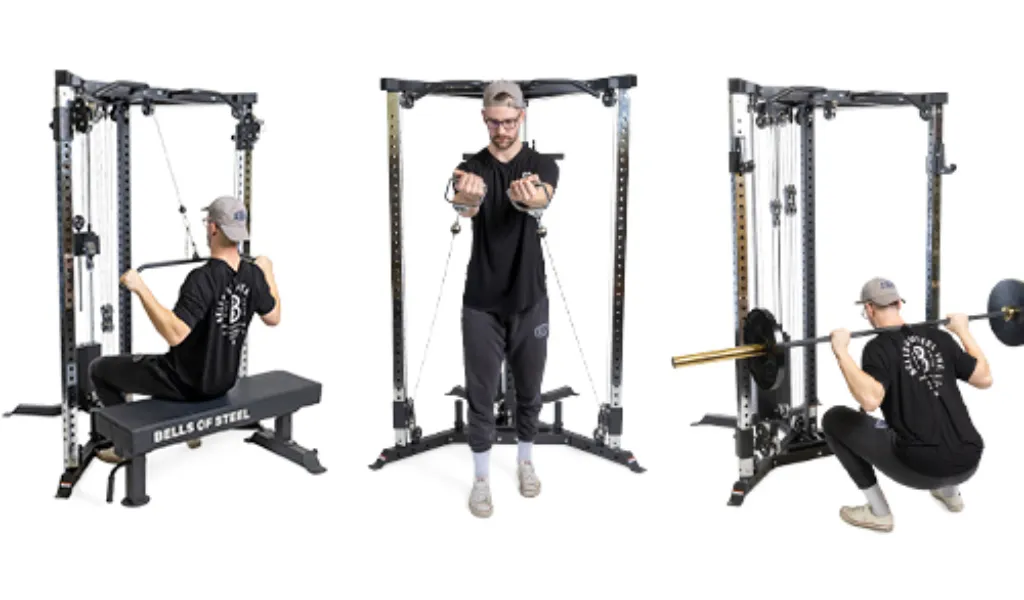
Rather than large equipment or dedicated rooms, many households prioritize adaptable setups: resistance bands, adjustable dumbbells, yoga mats, and open floor space. The rise of compact fitness tools reflects a broader understanding that consistency matters more than equipment variety.
This shift has also made fitness more accessible. People who previously felt intimidated by gym culture—or constrained by commute time—are finding that shorter, home-based routines lower the barrier to regular movement.
Technology’s Role in Personalized Fitness
Fitness technology has matured alongside modern work patterns. Instead of serving primarily as performance trackers, devices and apps now function as behavioral tools, nudging users toward healthier routines throughout the day.
Wearable data increasingly highlights:
- Daily step counts rather than workout calories
- Heart rate variability as a recovery indicator
- Sleep quality as a fitness metric
- Sedentary time alerts
These metrics align with a lifestyle-based view of fitness. Research from the American College of Sports Medicine shows that even brief movement breaks—two to five minutes every hour—can improve metabolic markers and reduce musculoskeletal discomfort.
Mental Health, Stress, and Physical Activity
The connection between physical fitness and mental health has become central to modern exercise philosophy. With work stress, digital overload, and social isolation rising, movement is often framed as a stress-regulation tool rather than a physical obligation.
Moderate aerobic activity, strength training, and mobility work have all been linked to reduced anxiety and improved mood. Importantly, the emphasis has shifted away from “burning off stress” toward creating space for mental recovery.
Many Americans now choose workouts based on how they feel afterward rather than how intense they appear. This explains the growing popularity of walking programs, Pilates, functional strength training, and low-impact cardio.

Flexibility Over Rigid Schedules
Traditional fitness advice often assumes a fixed daily routine. Modern work does not. Hybrid schedules, caregiving responsibilities, and unpredictable workloads demand flexibility.
Instead of rigid weekly plans, fitness professionals increasingly recommend adaptable frameworks:
- Short sessions that can be stacked across the day
- Weekly movement targets rather than daily mandates
- Recovery-focused days without guilt
- Seasonal adjustments based on workload and energy
This approach aligns with findings from the National Institutes of Health, which show that long-term adherence improves when exercise plans adapt to life changes rather than resisting them.
Redefining “Enough” Exercise
One of the most significant changes in American fitness culture is how people define adequacy. The CDC still recommends 150 minutes of moderate-intensity activity per week, but modern interpretations focus on how that time is accumulated.
Walking the dog, household chores, active commuting, and short strength sessions all contribute to overall fitness. This reframing reduces all-or-nothing thinking and helps people maintain momentum during busy periods.
Importantly, this is not about minimizing effort—it’s about maximizing sustainability.
Fitness Across Life Stages
Modern lifestyle fitness also reflects demographic realities. An aging workforce, longer careers, and delayed retirement mean that physical fitness must support longevity, not just performance.
For younger adults, fitness often centers on stress management and screen-related posture issues. For midlife adults, priorities shift toward joint health, muscle preservation, and cardiovascular resilience. Older adults increasingly focus on balance, fall prevention, and independence.
These goals are not separate; they form a continuum shaped by work demands and home responsibilities.
The Future of Lifestyle-Based Fitness
Physical fitness in the U.S. is moving toward a more integrated, humane model—one that respects time constraints, mental health, and individual variability. Rather than asking people to fit life around fitness, modern approaches help fitness fit into life.
This evolution does not dilute standards. It clarifies them. Strength, mobility, endurance, and recovery remain essential—but they are pursued in ways that reflect how Americans actually live and work today.
Frequently Asked Questions
1. Is working out at home as effective as going to the gym?
Yes, when routines are well-designed and performed consistently, home workouts can be equally effective for strength, mobility, and cardiovascular health.
2. How much movement do I need if I work at a desk all day?
Aim for regular movement breaks plus 150 minutes of moderate activity weekly, adjusted to your schedule and energy levels.
3. Are short workouts really beneficial?
Research shows that brief, frequent sessions can improve health markers and reduce sedentary risks.
4. What’s the best type of exercise for remote workers?
A mix of walking, strength training, and mobility work addresses posture, stress, and cardiovascular health.
5. How does fitness support productivity?
Regular movement improves focus, energy regulation, and stress resilience, all of which support work performance.
6. Do I need special equipment for home fitness?
No. Bodyweight exercises and minimal equipment can support comprehensive fitness goals.
7. How should fitness change as I age?
Prioritize strength, balance, and recovery while adjusting intensity to protect joints and support longevity.
8. Can walking count as real exercise?
Yes. Brisk walking contributes significantly to cardiovascular health and overall fitness.
9. How do I stay consistent with an unpredictable schedule?
Use flexible frameworks rather than rigid plans, and focus on weekly movement goals.
A New Definition of Everyday Fitness
Physical fitness is no longer confined to gyms or rigid schedules. It now lives in the spaces between meetings, inside homes, and across evolving workdays. The most effective routines are not the most intense, but the most repeatable—built to support real lives, real work, and long-term health.
What This Shift Makes Possible
- More consistent movement across busy weeks
- Reduced injury and burnout risk
- Better alignment between work, health, and home life