
Summary
Modern celebrities increasingly influence how Americans assess credibility in media and brands. Through visibility, perceived authenticity, and value alignment, public figures shape trust at scale. This article examines why celebrity trust matters, how it’s earned or lost, and what media organizations and brands can realistically learn from today’s celebrity-driven trust dynamics.
Introduction: Why Celebrity Trust Now Carries More Weight Than Ever
Public trust in American institutions—media, corporations, and even government—has declined steadily over the past two decades. According to Pew Research Center, trust in traditional media and large organizations remains fragmented along political, generational, and cultural lines. In that environment, celebrities have emerged as unexpected trust intermediaries.
Unlike institutions, celebrities operate at the intersection of familiarity and visibility. Millions of Americans encounter the same actor, athlete, or creator repeatedly across films, interviews, social platforms, podcasts, and live appearances. Over time, these repeated touchpoints form what psychologists call parasocial relationships—one-sided relationships that feel personal, even if they aren’t reciprocal.
As institutional trust weakens, audiences increasingly use celebrities as shorthand signals for credibility. When a familiar public figure endorses a cause, comments on a news issue, or partners with a brand, audiences don’t just evaluate the message—they evaluate the messenger.
Understanding how that trust is built, maintained, or broken has become essential for media companies, advertisers, and anyone operating in public-facing communication.
The Mechanics of Trust: Why Celebrities Feel More Credible Than Institutions
Trust is rarely about expertise alone. In practice, Americans tend to evaluate trustworthiness using three core signals: consistency, transparency, and perceived alignment of values. Celebrities—especially those with long careers—often score surprisingly high across all three.
Consistency matters because audiences track behavior over time. A celebrity who has demonstrated stable values across decades appears predictable, even if they are not perfect. Transparency plays a role because modern celebrities share more of their lives publicly than previous generations, creating an illusion of openness that institutions struggle to replicate. Value alignment completes the equation. Audiences trust celebrities who appear to “stand for something” they recognize or respect.
Media organizations, by contrast, are often abstract and faceless. Brands speak through press releases, mission statements, and campaigns rather than human experiences. Celebrities bridge that gap by putting a recognizable face on complex messages, making trust feel personal rather than procedural.
This dynamic doesn’t make celebrities inherently more credible—but it does make trust easier to form.
How Celebrities Shape Trust in Media Narratives
Celebrities influence media trust in two major ways: by validating narratives and by redirecting attention.
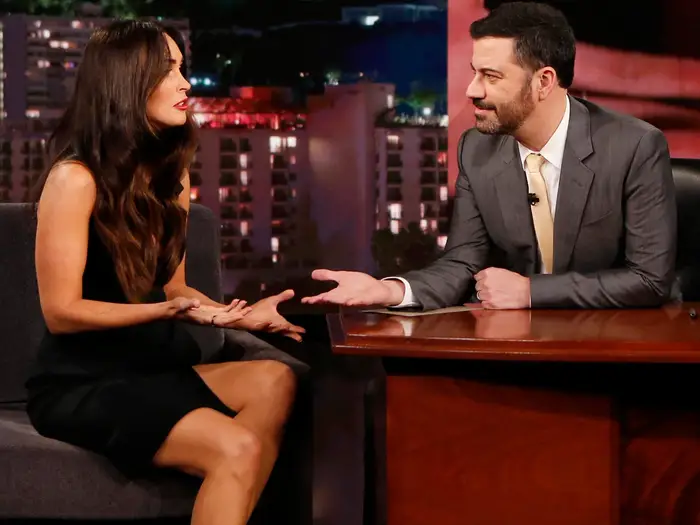
When a well-known public figure participates in a documentary, speaks openly in an interview, or shares a personal experience related to social or political issues, audiences often interpret that participation as a credibility signal. The thinking is rarely conscious. Instead, viewers assume that a celebrity wouldn’t associate with a narrative that is fundamentally dishonest or misaligned with their public identity.
At the same time, celebrities redirect attention away from institutions and toward individuals. When Americans consume news through celebrity podcasts, YouTube interviews, or social feeds, the messenger often feels more trustworthy than the outlet itself. The content becomes filtered through personality rather than brand reputation.
This has measurable effects. Surveys from Edelman’s Trust Barometer consistently show that people trust “people like me” more than CEOs or institutions. Celebrities, especially those who cultivate relatability, fall somewhere in between—famous, but still human.
Brand Trust and the Celebrity Association Effect
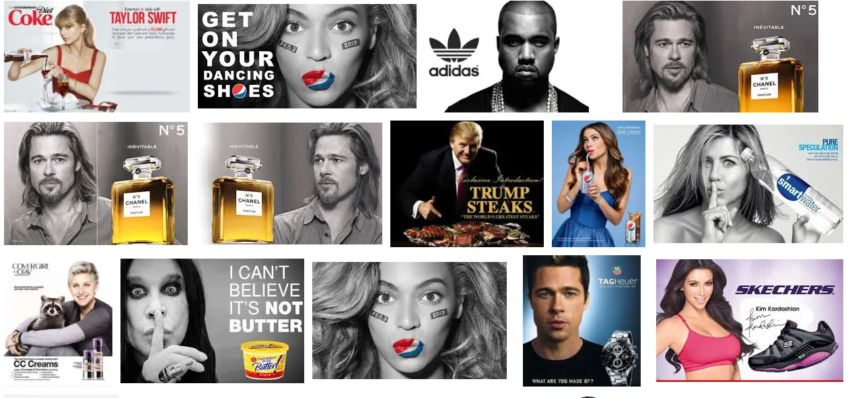
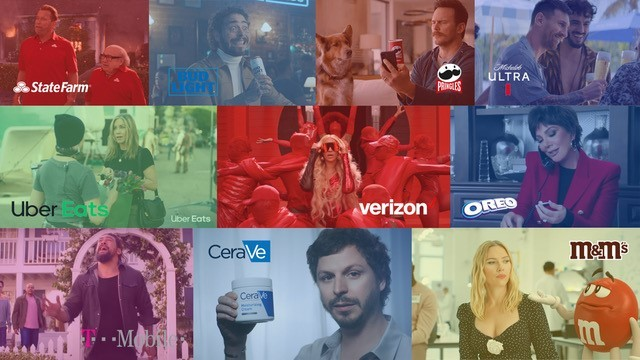
In marketing, trust often transfers by association. When a celebrity partners with a brand, audiences instinctively evaluate whether the partnership “makes sense.” If it does, trust can flow both ways. If it doesn’t, skepticism follows quickly.
Successful celebrity-brand partnerships share a few common characteristics:
- The celebrity’s public identity aligns with the brand’s purpose or category
- The partnership feels long-term rather than transactional
- The celebrity demonstrates actual usage or familiarity with the product
- The messaging avoids exaggerated promises
Failures usually occur when audiences sense inauthenticity. A single misaligned endorsement can undermine years of trust, both for the brand and the celebrity. In the social media era, that feedback loop is immediate and unforgiving.
American consumers, in particular, show increasing resistance to overt persuasion. According to Nielsen, people trust recommendations from individuals far more than traditional advertising. Celebrities operate in that gray area—trusted enough to influence, but scrutinized enough to be held accountable.
The Role of Social Media in Trust Formation
Social media has fundamentally changed how celebrity trust is built. Traditional fame relied on controlled exposure—films, television appearances, press interviews. Today’s celebrities exist in a continuous feedback loop with their audiences.
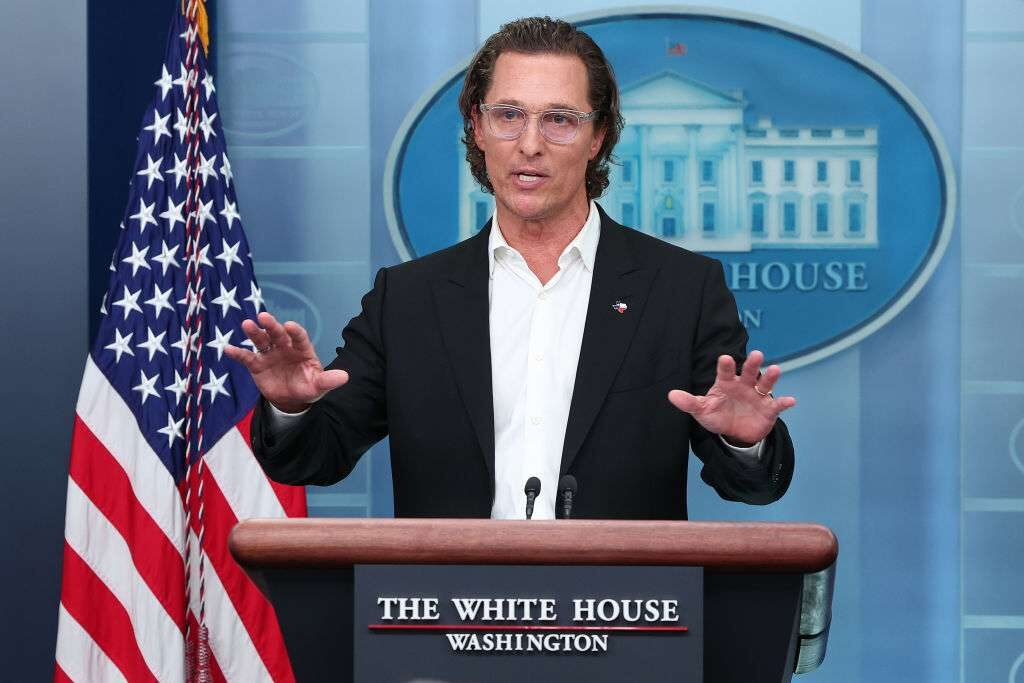
Platforms like Instagram, TikTok, and YouTube allow celebrities to communicate without institutional filters. That direct access increases perceived authenticity, but it also raises expectations. Audiences now expect consistency between a celebrity’s public statements, private behavior, and brand partnerships.
When celebrities address controversies directly, acknowledge mistakes, or explain their reasoning, trust often increases—even when audiences disagree. Silence or evasiveness, by contrast, tends to erode credibility.
This environment rewards emotional intelligence as much as fame. Celebrities who understand tone, timing, and context tend to maintain trust longer than those who rely on popularity alone.
When Celebrity Trust Breaks—and What Happens Next
Trust is fragile, and celebrity trust is no exception. Scandals, misinformation, or perceived hypocrisy can cause rapid trust erosion. What’s notable is not that trust breaks—but how audiences respond afterward.
In many cases, trust loss isn’t permanent. Research on reputation repair suggests that accountability matters more than perfection. Celebrities who acknowledge harm, change behavior, and demonstrate learning often regain public trust over time. Those who deny responsibility or shift blame rarely do.
For brands and media organizations, this creates risk. Associating too closely with a single figure ties institutional credibility to individual behavior. That risk is manageable, but only with realistic expectations and contingency planning.
What Americans Are Actually Asking About Celebrity Trust
Search behavior reveals growing curiosity around celebrity influence, credibility, and responsibility. Common questions include:
- Why do people trust celebrities more than experts?
- Are celebrity endorsements still effective in the U.S.?
- How do scandals affect brand trust?
- Can celebrities influence political or social opinions responsibly?
- Do younger audiences trust celebrities differently than older ones?
Addressing these questions requires nuance. Trust is not blind admiration—it’s conditional, contextual, and constantly reassessed.
What Media Organizations and Brands Can Learn
The rise of celebrity trust doesn’t mean institutions are obsolete. Instead, it highlights what audiences respond to most: clarity, accountability, and human connection.
Media organizations can rebuild trust by:
- Prioritizing transparent sourcing and correction processes
- Elevating individual journalists and creators, not just brand voices
- Engaging audiences conversationally rather than declaratively
Brands can apply similar lessons by:
- Choosing partnerships based on values, not reach alone
- Supporting long-term relationships over one-off endorsements
- Allowing room for honest, imperfect storytelling
Celebrities succeed as trust figures because they feel human. Institutions that embrace that lesson—not by mimicking celebrities, but by humanizing communication—are more likely to earn durable trust.
The Future of Trust in a Celebrity-Driven Media Landscape
Looking ahead, celebrity trust will likely fragment rather than disappear. Different communities will trust different figures based on identity, values, and lived experience. Micro-influencers, niche creators, and subject-matter experts with public profiles may carry as much trust as traditional celebrities.
What won’t change is the underlying principle: trust follows perceived authenticity and accountability. Fame alone is no longer sufficient. In a crowded, skeptical media environment, credibility must be earned repeatedly.
For Americans navigating an overload of information, celebrities will continue to function as trust shortcuts—but only for those willing to meet rising expectations.
Frequently Asked Questions
1. Why do Americans trust celebrities more than institutions?
Because celebrities feel familiar, consistent, and human, while institutions often feel abstract and impersonal.
2. Are celebrity endorsements still effective in the U.S.?
Yes, but only when the partnership feels authentic and aligned with the celebrity’s identity.
3. Do younger Americans trust celebrities more than older generations?
Younger audiences tend to trust creators they follow closely, but they are also quicker to withdraw trust.
4. Can celebrities influence public opinion responsibly?
They can, but responsibility depends on accuracy, transparency, and acknowledgment of limits.
5. How do scandals affect celebrity trust?
Scandals reduce trust, but accountability and behavior change can lead to recovery.
6. Is social media essential to building celebrity trust today?
Yes. Direct communication plays a major role in perceived authenticity.
7. Do celebrities replace journalists or experts?
No. They influence attention, not expertise, though audiences sometimes conflate the two.
8. Should brands rely heavily on celebrity partnerships?
Only as part of a broader trust strategy, not as a substitute for product or service credibility.
9. Are micro-influencers more trusted than celebrities?
In niche communities, yes—especially when expertise is visible.
Where Trust Actually Settles
Celebrity influence over trust isn’t about fame replacing facts—it’s about people seeking human signals in an impersonal information environment. As long as institutions feel distant, recognizable individuals will carry disproportionate credibility. The challenge ahead is not eliminating celebrity influence, but understanding its limits—and using it responsibly.
Key Signals Readers Should Remember
- Trust follows consistency, not perfection
- Audiences reward accountability over silence
- Celebrity credibility is conditional and contextual
- Brands borrow trust, they don’t own it
- Human communication outperforms institutional abstraction