
Summary
In a media environment defined by nonstop visibility, celebrities face unprecedented pressure to remain credible. This article examines how public figures manage trust amid social media, algorithmic news cycles, and heightened public scrutiny—covering authenticity, accountability, reputation management, and the evolving expectations of American audiences seeking transparency without spectacle.
The New Reality of Constant Exposure
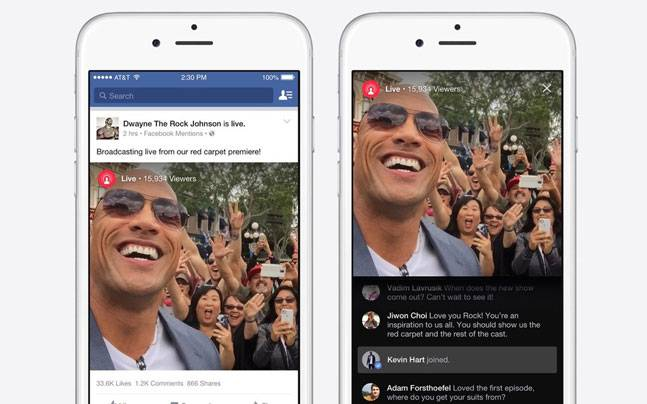
For much of the twentieth century, celebrity visibility was episodic. Interviews were scheduled, magazine profiles curated, and public appearances carefully timed. Today, exposure is continuous. Social media platforms, livestreams, and real-time commentary have collapsed the distance between public figures and audiences.
In the U.S., where celebrity culture intersects deeply with politics, commerce, and social identity, this shift has reshaped what credibility means. Being visible is no longer enough. Being believable—consistently, across platforms, and under pressure—has become the real challenge.
According to the Pew Research Center, over 70% of Americans say social media makes it harder to tell what is true or false. That skepticism now extends to celebrities themselves. Audiences assume access, but they also assume performance. Credibility lives in the narrow space between the two.
What “Credibility” Means for Celebrities Today
Credibility is often mistaken for likability or popularity. In reality, it is closer to perceived reliability. Audiences may not agree with a celebrity’s choices, but they still assess whether those choices feel coherent and sincere.
In today’s environment, credibility rests on several interconnected factors:
- Consistency across platforms: Statements made in interviews, posts, and appearances must align.
- Transparency about limits: Admitting what one does not know can enhance trust.
- Behavior under scrutiny: How a celebrity responds to criticism matters as much as the criticism itself.
American audiences, in particular, tend to reward celebrities who demonstrate accountability rather than perfection. The cultural expectation is not flawlessness, but ownership.
Social Media: Access Without Context
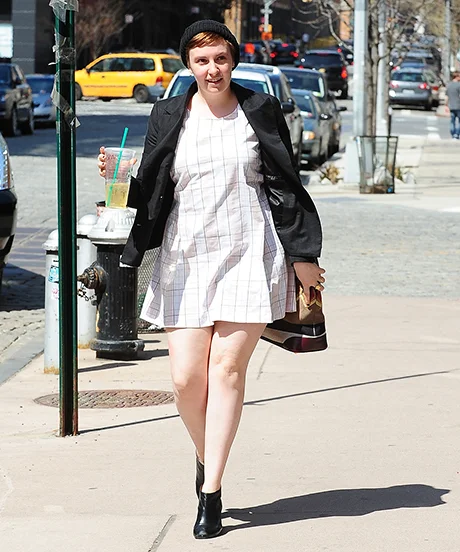
Social media has created the illusion of intimacy. Followers see daily routines, opinions, and personal moments, often without editorial framing. While this access can humanize celebrities, it also strips away context that once softened missteps.
A single tweet can overshadow years of work. A poorly timed post can be interpreted as tone-deaf, even if the intent was benign. Unlike traditional media, social platforms offer little room for nuance.
Celebrities who maintain credibility online often follow a few unwritten rules:
- They post less reactively and more intentionally.
- They avoid commenting outside their lived experience.
- They accept that silence, at times, is a strategic choice rather than avoidance.
In a constant-exposure environment, restraint can signal seriousness.
Authenticity Versus Oversharing
Audiences frequently say they want authenticity. What they often mean is coherence. Oversharing personal struggles does not automatically build trust, especially when it appears selective or monetized.
Credibility grows when personal disclosures align with observable behavior over time. For example, a celebrity advocating mental health awareness gains trust when they consistently support related initiatives—not just when promoting a project.
The danger of oversharing lies in blurring boundaries. Once everything is shared, nothing feels grounded. American audiences tend to respond better to clarity than confession.
Managing Mistakes in Public View
Mistakes are inevitable. In the current media climate, how celebrities respond to them often defines their reputations more than the mistakes themselves.
Research from Edelman’s Trust Barometer consistently shows that audiences value responsiveness and corrective action. Defensiveness erodes trust; accountability rebuilds it.
Effective responses usually include:
- Acknowledgment without qualifiers
- Clear understanding of why harm occurred
- Concrete steps to prevent recurrence
Public apologies that feel scripted or rushed tend to fail. Credibility returns slowly, through behavior rather than statements.
The Role of Professional Media Strategy
Behind many credible public figures is a disciplined media strategy. This does not mean inauthenticity; it means structure. Thoughtful messaging protects against impulsive reactions and inconsistent narratives.
Experienced publicists and communications teams often focus on:
- Long-term reputation rather than short-term engagement
- Alignment between personal values and public partnerships
- Risk assessment before speaking on complex issues
In the U.S. market, where celebrity endorsements influence consumer trust, this strategic discipline is especially important. Nielsen data shows that consumers are more likely to trust brands endorsed by celebrities they perceive as credible, not merely famous.
When Celebrities Speak on Social Issues
American audiences increasingly expect celebrities to address social and political issues. However, expectations vary widely depending on context, identity, and expertise.
Credibility is highest when celebrities:
- Speak from direct experience
- Support claims with verifiable information
- Accept disagreement without dismissing critics
Problems arise when advocacy appears performative or inconsistent. Audiences are quick to detect when values surface only during high-visibility moments.
Silence can also be interpreted—but it is often less damaging than opportunistic commentary. In an age of constant exposure, discernment matters.
Longevity as a Measure of Trust
One overlooked indicator of credibility is longevity. Celebrities who maintain relevance over decades often do so by evolving carefully rather than reacting impulsively.
They tend to:
- Change positions gradually and explain why
- Protect private boundaries despite public interest
- Invest in credibility capital before spending it
Longevity signals that trust has been earned repeatedly, not manufactured once.
What American Audiences Are Really Looking For
Search behavior and audience research suggest that Americans are not searching for flawless celebrities. They are searching for understandable ones.
Common questions include:
- “Is this person sincere?”
- “Do their actions match their words?”
- “Are they learning over time?”
Credibility, then, is not static. It is relational. It exists between public figure and audience, recalibrated with every interaction.

Frequently Asked Questions
1. Why is credibility harder for celebrities today?
Because constant exposure reduces context and increases scrutiny, leaving less room for error.
2. Does social media help or hurt celebrity credibility?
It can do both, depending on how intentionally it is used.
3. Are public apologies still effective?
Yes, but only when paired with consistent corrective behavior.
4. Do audiences expect celebrities to be political?
Some do, but credibility depends on relevance and sincerity.
5. Can a celebrity recover from major controversy?
Recovery is possible, but it requires time, accountability, and behavioral change.
6. Is authenticity the same as transparency?
No. Authenticity is coherence; transparency is selective openness.
7. Do younger audiences judge credibility differently?
They tend to prioritize consistency and values alignment over authority.
8. Should celebrities respond to online criticism?
Only when engagement adds clarity rather than escalation.
9. How important are PR teams in credibility management?
They help maintain consistency and prevent reactive missteps.
Why Credibility Has Become a Long-Term Asset
In an era defined by immediacy, credibility is one of the few assets that compounds over time. Celebrities who treat trust as something to be earned—rather than managed—are better positioned to withstand controversy, cultural shifts, and changing platforms.
Constant exposure is not going away. But credibility, built patiently and protected deliberately, remains one of the few stabilizing forces in modern celebrity culture.
Key Signals Audiences Use to Judge Trustworthiness
- Consistency across time and platforms
- Willingness to acknowledge mistakes
- Clear boundaries between personal life and public messaging
- Alignment between stated values and observable actions