
Summary
Across the United States, lifestyle is being redefined less by material accumulation and more by meaningful cultural engagement. From neighborhood art scenes and regional foodways to revived local traditions, Americans are shaping daily life around connection, creativity, and place. This shift reflects broader changes in values, community identity, and how culture is experienced beyond tourism.
In the past, lifestyle in America was often framed around consumption—where people lived, what they bought, and the status symbols they displayed. Today, that definition is evolving. Increasingly, Americans are shaping their lifestyles around experiences that feel grounded, local, and culturally meaningful. Art, food, and community traditions are no longer side interests or weekend indulgences; they are becoming central to how people understand quality of life.
This shift is not driven by nostalgia alone. It reflects deeper changes in how Americans relate to place, identity, and community in a fast-moving, digitally saturated world. Across cities, suburbs, and rural areas alike, culture is moving from the margins to the center of everyday living.
Art as a Living Part of Everyday American Life
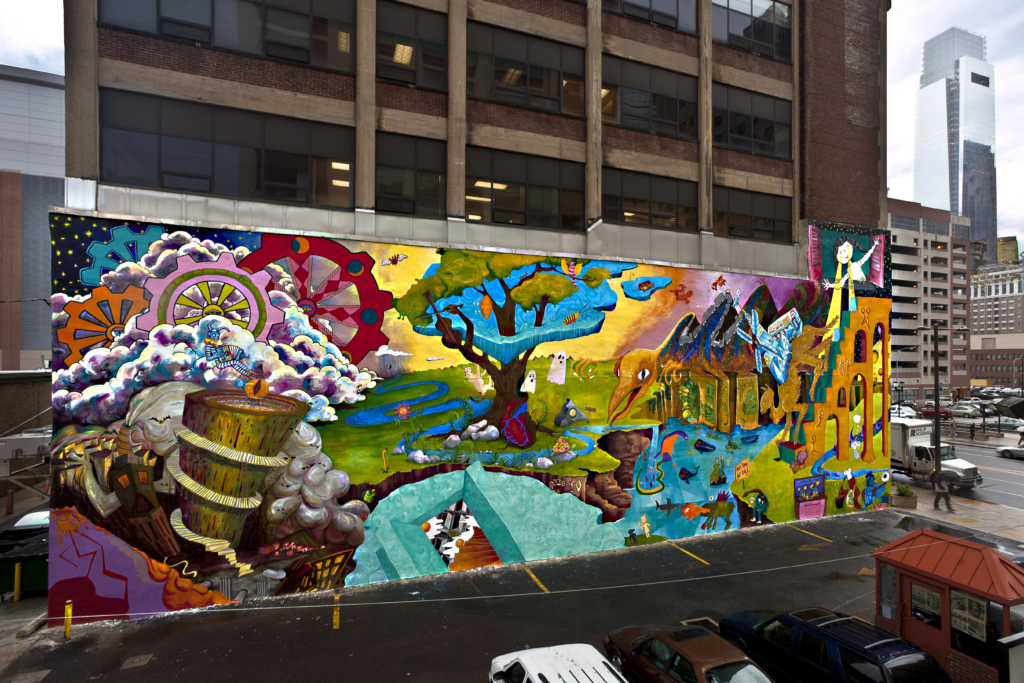
Art in the U.S. is no longer confined to museums or elite institutions. Murals, public installations, pop-up galleries, and community-led creative spaces have become integral to local identity. In many neighborhoods, art functions less as decoration and more as dialogue—about history, belonging, and social change.
Cities like Detroit, Philadelphia, and Oakland have invested heavily in public art as a tool for revitalization. These efforts often prioritize local artists who reflect the lived experiences of the community. According to the National Endowment for the Arts, participation in arts activities is associated with stronger civic engagement and improved community well-being, particularly at the local level.
What makes this movement significant is how art is woven into daily routines:
- Residents plan walking routes around murals and outdoor exhibits
- Local cafés double as gallery spaces
- Community art nights replace traditional entertainment outings
For many Americans, engaging with art is no longer about prestige—it’s about proximity, relevance, and shared experience.
Food as Cultural Expression, Not Just Consumption
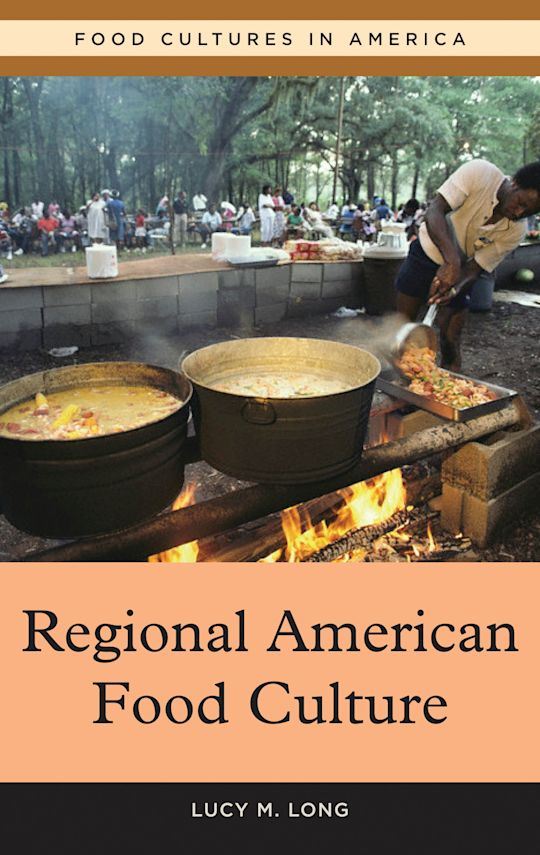
Food has always been central to American culture, but the way people relate to it is changing. Across the country, Americans are using food to reconnect with heritage, support local economies, and build social bonds.
Farmers’ markets, once niche, are now mainstream in many regions. Community-supported agriculture (CSA) programs allow households to align their eating habits with seasonal rhythms and local production. According to data from the USDA, direct-to-consumer food sales have grown steadily over the past decade, signaling increased interest in local sourcing.
Beyond ingredients, food culture is becoming experiential:
- Regional dishes are celebrated as expressions of local identity
- Immigrant food traditions are shaping neighborhood dining scenes
- Home cooking is framed as a cultural practice, not just a cost-saving measure
In cities like Houston and Los Angeles, culinary diversity mirrors demographic diversity. Trying new food is not seen as exotic tourism—it’s part of everyday cultural literacy.
The Revival of Local Traditions in a Mobile Society
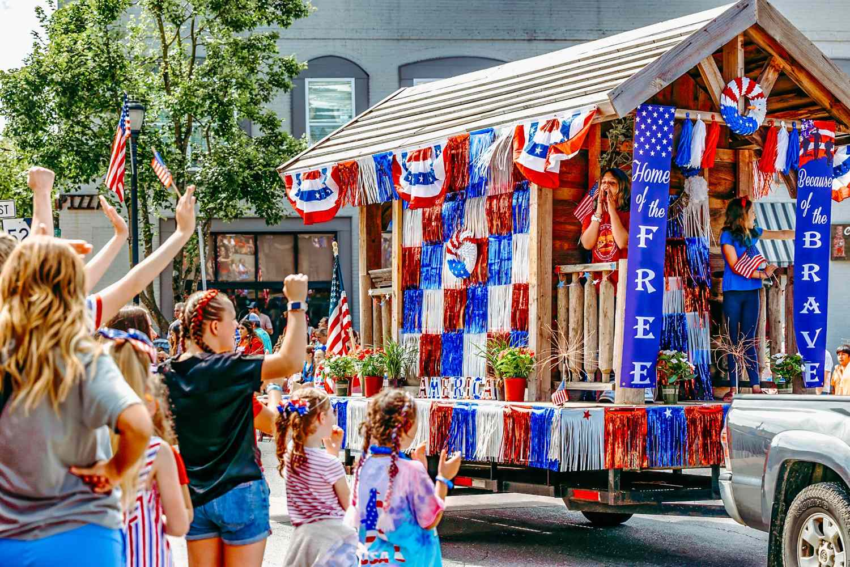
Despite high geographic mobility, many Americans are seeking stronger ties to place. Local traditions—parades, seasonal festivals, craft fairs, and neighborhood rituals—are experiencing renewed interest, especially among younger generations.
This resurgence is partly a response to digital fatigue. As online life becomes increasingly abstract, local traditions offer something tangible: shared time, shared space, and shared meaning. A survey by the Pew Research Center has shown that Americans who feel connected to their local community report higher levels of life satisfaction and trust.
Local traditions take many forms:
- Annual food festivals celebrating regional heritage
- Volunteer-led cultural events tied to local history
- Indigenous and long-standing community practices being preserved and reintroduced
What unites them is participation. These traditions are not passively consumed; they require presence and involvement.
Why Cultural Experiences Are Replacing Status Symbols
For much of the 20th century, lifestyle success in America was often measured through visible markers—homes, cars, and luxury goods. Today, those markers carry less cultural weight, particularly among Millennials and Gen Z.
Cultural experiences offer something different:
- They are shareable without being purely performative
- They create memories rather than clutter
- They align with values around sustainability and community
Instead of asking, “What do you own?” lifestyle conversations increasingly center on questions like:
- What neighborhoods do you explore?
- What traditions do you participate in?
- What cultural spaces shape your routine?
This doesn’t mean material comfort is irrelevant. Rather, it means that meaning and identity are now more closely tied to experience than possession.
How Art, Food, and Tradition Intersect in Real Life
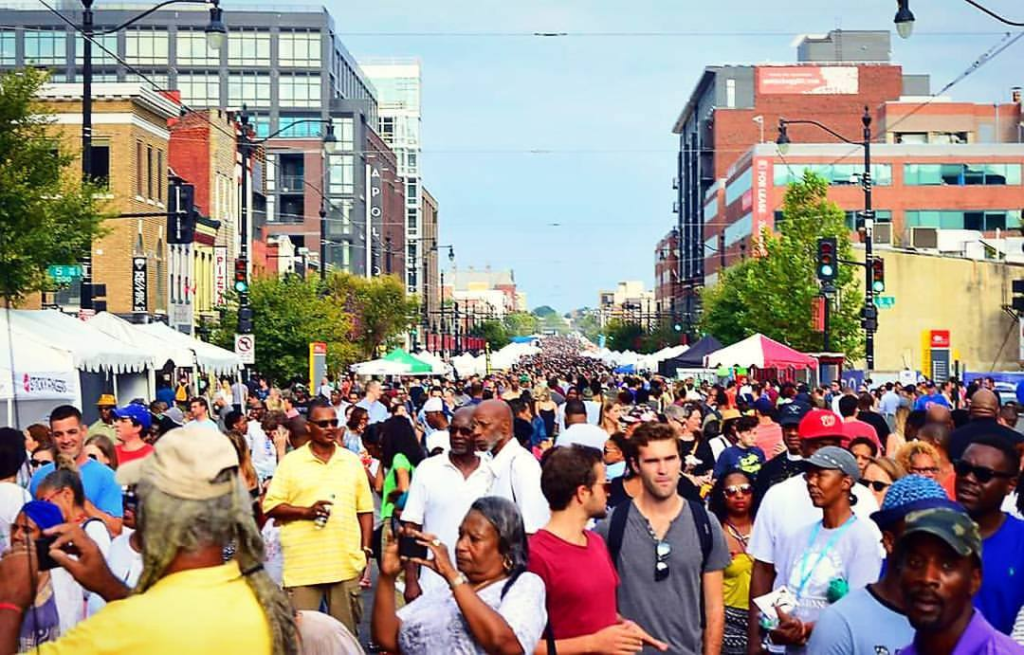
The most powerful lifestyle shifts happen where art, food, and tradition overlap. Consider a local street festival that features neighborhood artists, regional food vendors, and music tied to local history. These events do more than entertain—they reinforce a shared sense of place.
In smaller towns, this might look like:
- Seasonal fairs centered on agricultural cycles
- Community dinners hosted in public spaces
- Local crafts integrated into daily commerce
In urban areas, it often takes the form of:
- Night markets blending food, art, and performance
- Cultural districts supported by small businesses
- Adaptive reuse of historic buildings for creative use
These intersections transform culture from something people “attend” into something they live.
What This Means for the Future of American Lifestyle
The growing emphasis on cultural engagement suggests a broader redefinition of success and well-being. Lifestyle choices are increasingly evaluated based on how well they support connection—to people, place, and purpose.
This shift has practical implications:
- Urban planning that prioritizes cultural spaces
- Economic support for local creators and food producers
- Greater attention to preserving intangible cultural heritage
Rather than a single national lifestyle trend, what’s emerging is a mosaic of local lifestyles—each shaped by its own cultural ecosystem.
Frequently Asked Questions
1. Why are cultural experiences becoming more important to Americans?
They offer connection, authenticity, and meaning in a highly digital and mobile society.
2. Is this trend limited to large cities?
No. Rural and suburban communities are also investing in local art, food, and traditions.
3. How does food reflect cultural lifestyle changes?
Food connects people to heritage, local economies, and shared experiences.
4. Are younger generations driving this shift?
Yes, but participation spans all age groups, especially around community events.
5. Does cultural engagement improve quality of life?
Research suggests strong links between community involvement and well-being.
6. How do local traditions stay relevant today?
By evolving while remaining rooted in shared history and participation.
7. Is this about rejecting modern life?
No—it’s about integrating culture into modern routines.
8. Can cultural lifestyles be inclusive?
When community-led, they often amplify diverse voices and stories.
9. How can individuals participate more locally?
Attend events, support local creators, and explore neighborhood spaces.
A Lifestyle Shaped by Place, Not Pace
As Americans continue to navigate economic uncertainty, technological change, and social fragmentation, art, food, and local traditions provide anchors. They slow life just enough to make it meaningful—turning neighborhoods into communities and routines into rituals. In redefining lifestyle through culture, Americans are not looking backward. They are building a more grounded way forward.
What This Cultural Shift Tells Us
- Lifestyle is increasingly experience-driven, not possession-driven
- Local culture shapes daily routines more than global trends
- Art and food function as tools of connection, not luxury
- Traditions thrive when communities actively participate
- Place matters more when culture is lived, not consumed