
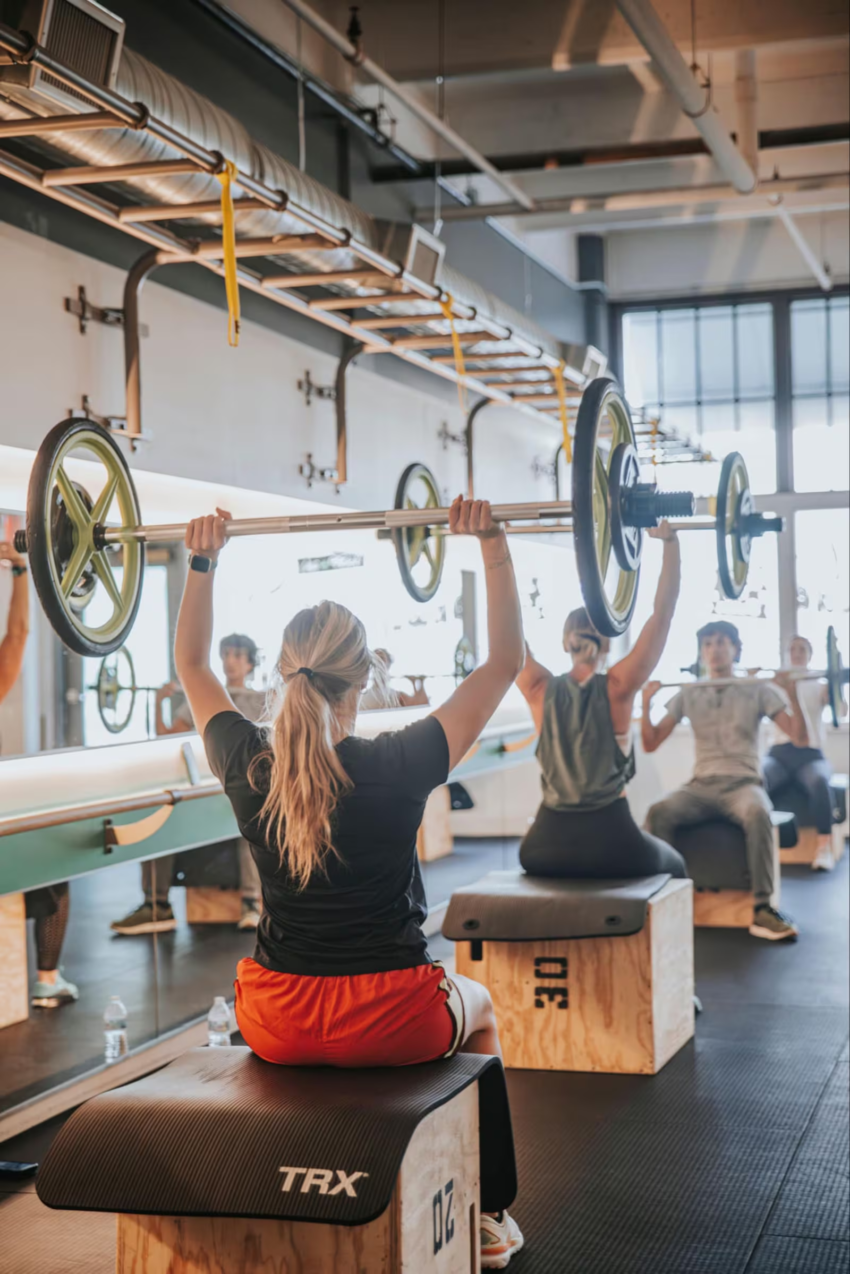
Summary
Physical fitness is no longer defined by intensity alone. Across the U.S., age, daily routines, and recovery habits are reshaping how people train, move, and stay healthy. This article explores how modern fitness adapts to real lives—balancing longevity, consistency, and recovery to support strength, energy, and resilience at every stage of adulthood.
A New Definition of Fitness in Everyday American Life
For decades, physical fitness was framed around peak performance—lifting heavier, running faster, pushing harder. That model worked for athletes and young adults with flexible schedules. But for most Americans today, fitness has evolved into something more practical and sustainable.
Longer life expectancy, sedentary work, hybrid schedules, and growing awareness of injury prevention have shifted priorities. Fitness now means maintaining strength into your 40s, protecting joints in your 50s, and preserving independence well beyond retirement. The modern question isn’t how hard can I train, but how long can I stay capable.
This shift is driven by three forces: age, routine, and recovery—and how they interact.
How Age Changes the Way the Body Responds to Exercise
What Actually Changes as We Age
Aging doesn’t mean decline is inevitable, but physiology does change. Research from the National Institute on Aging and the CDC consistently shows that after age 30, adults experience gradual reductions in muscle mass, bone density, and metabolic efficiency if those systems aren’t actively maintained.
Key age-related changes include:
- Slower muscle protein synthesis
- Reduced joint cartilage resilience
- Longer recovery time after intense activity
- Changes in hormone levels affecting energy and strength
However, these changes respond remarkably well to smart training.
Why Fitness Needs to Adapt, Not Disappear
Adults over 40 often benefit more from strategic consistency than extreme workouts. Strength training becomes more important than ever—not for aesthetics, but for fall prevention, metabolic health, and joint support.
Cardiovascular fitness also evolves. Instead of daily high-impact sessions, many adults shift toward walking, cycling, swimming, or interval-based cardio that protects joints while supporting heart health.
Fitness at this stage becomes about preserving capacity, not chasing personal records.

Routine: The Most Underrated Fitness Variable
Why Routine Outperforms Motivation
Motivation fluctuates. Routine sustains progress.
Across the U.S., adults balancing work, family, and caregiving responsibilities are discovering that short, repeatable routines outperform ambitious plans that never stick. Studies from the American College of Sports Medicine consistently show adherence—not intensity—is the strongest predictor of long-term fitness outcomes.
A realistic routine might include:
- Three 30-minute strength sessions per week
- Daily walking integrated into errands or work breaks
- Mobility work paired with existing habits (morning coffee, evening TV)
This approach removes decision fatigue and lowers the barrier to entry.
Fitness That Fits Real Schedules
Remote work and hybrid schedules have blurred the boundaries between work and personal time. Instead of hour-long gym sessions, many Americans now rely on:
- Home-based resistance training
- Short cardio blocks throughout the day
- Movement “snacks” like stair climbing or stretch breaks
Fitness routines increasingly mirror real life rather than idealized schedules.
Recovery Is No Longer Optional—It’s Foundational
Why Recovery Matters More With Age
Recovery was once treated as rest days between workouts. Today, it’s understood as a system that includes sleep, nutrition, hydration, stress management, and mobility.
As the body ages, tissues repair more slowly. Without adequate recovery, even moderate exercise can lead to chronic soreness, inflammation, or injury. According to data from the National Sleep Foundation, adults who sleep fewer than six hours per night have significantly higher injury risk and poorer exercise adaptation.
Recovery Practices That Actually Help
Effective recovery doesn’t require expensive tools. The most impactful habits are often the simplest:
- Sleep: 7–9 hours remains the strongest recovery enhancer
- Protein intake: Supports muscle repair, especially post-40
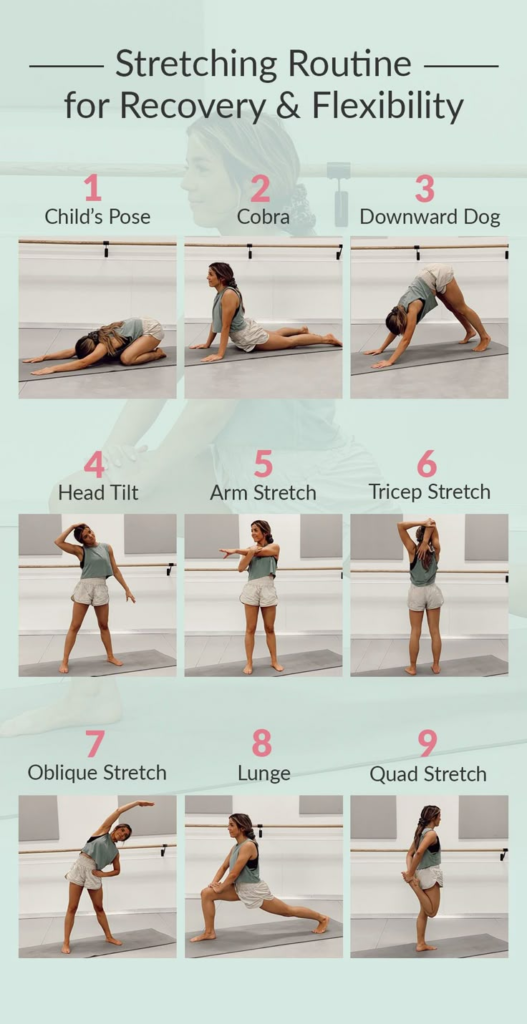
- Mobility work: Maintains joint range of motion
- Active recovery: Walking, light cycling, or swimming
Recovery shifts fitness from a short-term effort into a long-term system.
Strength Training: The Cornerstone of Modern Fitness
Strength training has quietly become the foundation of healthy aging. Research published in JAMA shows resistance training improves bone density, insulin sensitivity, and cognitive function—even when started later in life.
Modern strength programs prioritize:
- Compound movements (squats, hinges, presses)
- Controlled tempos instead of explosive lifting
- Moderate volume with adequate rest
The goal is durability, not exhaustion.
Cardio Reimagined for Longevity
Cardiovascular exercise is still essential, but the “no pain, no gain” mindset is fading. Many adults now use a blend of steady-state cardio and short intervals to support heart health without overuse injuries.
Examples include:
- Brisk walking after meals
- Cycling or rowing instead of running
- Interval walking programs that alternate pace
This approach supports blood pressure, cholesterol management, and daily energy.
Mental Recovery and Physical Performance
Stress is a physiological load. Chronic stress elevates cortisol, interferes with muscle repair, and disrupts sleep—all of which undermine fitness progress.
Mindfulness, breathing exercises, and even low-intensity movement reduce stress load. Increasingly, fitness professionals treat mental recovery as inseparable from physical training.
What Sustainable Fitness Looks Like Across Life Stages
Sustainable fitness adjusts rather than resists change.
- In your 30s, it’s about building habits that survive busy schedules
- In your 40s and 50s, it’s about protecting joints and maintaining strength
- Beyond 60, it’s about balance, mobility, and independence
The throughline is consistency supported by recovery.

Frequently Asked Questions
1. Is it too late to start exercising after 40 or 50?
No. Research consistently shows adults can gain strength, endurance, and mobility at any age with appropriate programming.
2. How often should older adults strength train?
Two to three sessions per week are effective for maintaining muscle and bone health.
3. Does recovery really take longer with age?
Yes. Tissue repair slows with age, making sleep and rest more important.
4. What’s the safest cardio for aging joints?
Walking, cycling, swimming, and elliptical training are joint-friendly options.
5. How important is mobility work?
Very. Mobility maintains joint health and reduces injury risk.
6. Should workouts feel exhausting to be effective?
No. Progress comes from consistency, not constant exhaustion.
7. Can short workouts really make a difference?
Yes. Multiple studies show even 10–20 minute sessions improve health when done consistently.
8. How does stress affect physical fitness?
Chronic stress impairs recovery, sleep, and muscle repair.
9. Is rest the same as recovery?
Rest is part of recovery, but recovery also includes sleep, nutrition, and stress management.
Redefining Progress in a Longer Life
Physical fitness is no longer about reaching a peak—it’s about extending capacity. Age teaches restraint, routine teaches discipline, and recovery teaches respect for the body’s signals. Together, they redefine fitness as something sustainable, adaptive, and deeply personal. The strongest bodies today are not the ones pushed the hardest, but the ones cared for consistently over time.
What This Shift Means in Practice
- Fitness adapts with age instead of resisting it
- Routine matters more than intensity
- Recovery determines long-term success
- Strength training supports independence
- Sustainable movement outlasts extreme programs