
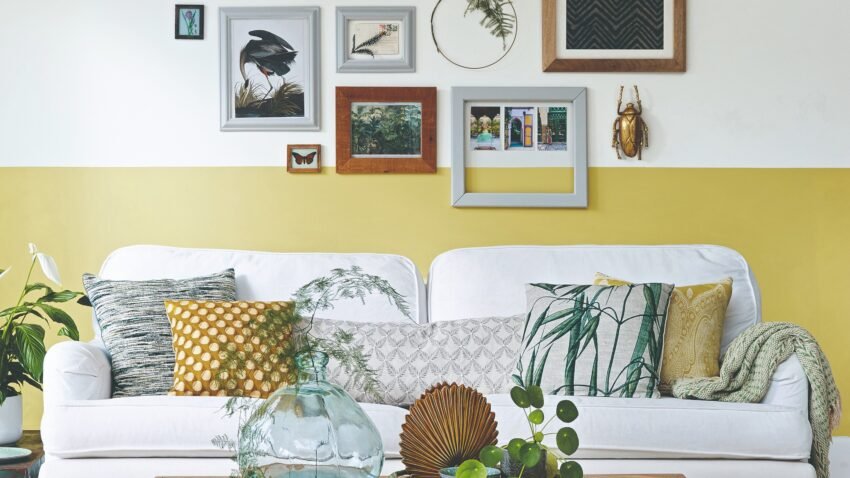
Smart DIY projects don’t just fix what’s broken—they improve how your home functions every day. From repairing leaky fixtures to adding storage, upgrading lighting, and improving energy efficiency, practical improvements can reduce stress, save money, and streamline routines. This guide outlines high-impact, manageable projects that enhance comfort, safety, and organization without overwhelming busy households.
For many American homeowners, DIY starts with a repair. A dripping faucet. A sticking door. A dimly lit hallway. But the most rewarding projects don’t stop at fixing problems—they make daily life noticeably easier.
The shift from “repair” to “refresh” reflects a broader trend. According to the U.S. Census Bureau, Americans spend hundreds of billions annually on home improvement and maintenance. Increasingly, homeowners prioritize projects that enhance function—not just aesthetics.
If you’ve ever searched:
- “What easy DIY projects improve daily life?”
- “What home upgrades actually make a difference?”
- “What small fixes have the biggest impact?”
This guide provides practical, experience-based answers.
1. Start with Repairs That Prevent Bigger Problems
Small issues rarely stay small. Addressing maintenance items first creates a foundation for comfort and cost control.
Fix Leaks and Water Waste
A dripping faucet may seem minor, but the U.S. Environmental Protection Agency estimates that household leaks waste nearly one trillion gallons of water nationwide each year. Replacing worn washers or installing new cartridges is typically a beginner-friendly repair.
Beyond water savings, stopping leaks prevents cabinet damage and mold growth.
Seal Air Gaps and Drafts
If rooms feel unevenly heated or cooled, inspect weatherstripping and caulking around windows and doors. The U.S. Department of Energy notes that air leaks can significantly increase heating and cooling costs.
Sealing gaps:
- Reduces energy bills
- Improves comfort
- Extends HVAC system life
This project requires minimal tools and offers immediate results.
2. Improve Lighting for Better Daily Function
Lighting dramatically affects productivity, mood, and safety. Many homes rely on outdated fixtures or insufficient overhead lighting.
Upgrade to LED Fixtures
Replacing old bulbs with LED options reduces energy consumption and improves brightness. LEDs last significantly longer than incandescent bulbs, lowering replacement frequency.
Add Task Lighting
Under-cabinet lighting in kitchens or motion-sensor lights in closets makes everyday tasks easier. Installing plug-in LED strips is typically a manageable DIY project requiring limited wiring.
Increase Safety in Hallways and Stairs
Poor lighting contributes to falls. Motion-activated nightlights in stairwells or hallways provide visibility without increasing energy use.
The Centers for Disease Control and Prevention reports that falls are a leading cause of injury at home. Simple lighting upgrades reduce risk, particularly for older adults.
3. Upgrade Storage to Reduce Daily Stress
Clutter slows routines. Organized spaces save time and mental energy.
Install Adjustable Closet Systems
Basic shelving systems allow homeowners to customize storage height and layout. This project improves functionality without structural changes.
Add Garage Wall Storage
Pegboards, wall-mounted racks, and labeled bins make tools and seasonal items accessible. An organized garage reduces time spent searching and prevents accidental damage.
Create Entryway Drop Zones
Installing hooks, small shelves, or a bench with storage near the front door keeps shoes, bags, and keys contained. For busy households, this simple refresh prevents daily friction.
4. Replace Worn Hardware for Immediate Impact
Sometimes ease comes from eliminating annoyance.
- Replace sticking door knobs
- Install soft-close cabinet hinges
- Upgrade drawer slides
These changes improve usability without requiring extensive renovation.
If cabinet doors slam or drawers jam, upgrading hardware provides a noticeable improvement in daily experience.
5. Make Bathrooms More Efficient
Bathrooms are high-traffic areas. Small updates can streamline mornings.
Install a New Showerhead
Modern showerheads improve water pressure while reducing consumption. Many models install with basic tools in under 30 minutes.
Add Wall-Mounted Storage
Floating shelves above toilets or wall-mounted cabinets maximize vertical space without enlarging the room footprint.
Replace Outdated Vent Fans
Improved ventilation reduces moisture buildup and mold risk. The Environmental Protection Agency highlights the importance of indoor air quality in preventing respiratory irritation.
Better airflow protects finishes and enhances comfort.
6. Improve Kitchen Workflow
Kitchens function as command centers in American homes. Enhancing flow simplifies daily tasks.
Install Pull-Out Cabinet Organizers
Pull-out shelves allow easy access to deep cabinets, eliminating the need to kneel or dig through items.
Add a Backsplash for Easy Cleaning
Tile or peel-and-stick backsplashes protect walls from splashes and simplify cleaning routines.
Upgrade Faucet with Pull-Down Sprayer
Modern faucets improve usability for cooking and cleanup.
These projects blend repair and refresh, improving both appearance and practicality.
7. Enhance Energy Efficiency
Energy-efficient upgrades reduce long-term costs and improve comfort.
Install a Programmable Thermostat
Smart thermostats adjust temperatures automatically, reducing unnecessary heating and cooling. The U.S. Department of Energy notes that adjusting thermostat settings can lower annual energy expenses.
Add Insulation to Attic Access Points
Sealing attic hatches and adding insulation minimizes heat transfer.
Replace Old Weatherstripping
Simple upgrades reduce drafts and stabilize indoor temperatures.
Energy improvements may not be visually dramatic but consistently enhance daily living.
8. Improve Safety and Accessibility
DIY projects can also increase safety.
Install Grab Bars
Properly anchored grab bars in bathrooms provide stability for all ages.
Replace Loose Stair Railings
Secure railings prevent accidents.
Add Non-Slip Flooring in Entryways
Reducing slip hazards during rainy or snowy weather is especially important in many U.S. climates.
Safety upgrades often require modest investment yet provide meaningful protection.
Practical Example: A Weekend Refresh Plan
Consider a homeowner with limited time and budget.
Instead of starting a major remodel, they:
- Replace hallway light fixtures
- Install closet shelving
- Fix a dripping kitchen faucet
- Add entryway hooks
Each project takes less than a day. Collectively, they:
- Improve morning routines
- Reduce clutter
- Lower utility waste
- Enhance safety
The home feels more functional without extensive disruption.
How to Prioritize Projects
If you’re unsure where to begin, ask:
- What daily frustration bothers me most?
- Which repair could prevent larger expenses?
- Where does my home feel inefficient?
- What change would save time every week?
Address high-impact, low-complexity items first.
Frequently Asked Questions
1. What DIY projects provide the most everyday value?
Lighting upgrades, storage improvements, and leak repairs consistently improve daily comfort.
2. Are small repairs really worth doing?
Yes. Small maintenance issues often escalate into expensive repairs if ignored.
3. How can I improve my home without a full renovation?
Focus on functional updates like better lighting, organized storage, and efficient fixtures.
4. Do energy-efficient upgrades pay off?
Over time, reduced utility costs and improved comfort justify modest investments.
5. Are these projects safe for beginners?
Many are beginner-friendly, provided safety precautions are followed.
6. How do I choose between repair and refresh?
Start with repairs that prevent damage, then move to improvements that enhance usability.
7. How much should I budget?
Costs vary, but many impactful projects cost under a few hundred dollars.
8. Do these upgrades increase home value?
Functional improvements often improve buyer perception, even if modest.
9. What tools are essential for basic DIY?
A drill, level, screwdriver set, measuring tape, and safety gear.
Making Your Home Work Better Every Day
A well-functioning home reduces friction. It supports routines instead of complicating them. By moving beyond reactive repairs and toward intentional refreshes, homeowners create environments that feel organized, efficient, and comfortable.
DIY isn’t about dramatic transformations. It’s about thoughtful improvements that solve everyday problems.
When projects align with real needs, the results are practical and lasting.
Small Changes, Noticeable Differences
- Fix leaks before they escalate
- Upgrade lighting for safety and productivity
- Add storage to reduce daily clutter
- Improve ventilation and air quality
- Enhance energy efficiency
- Address small annoyances promptly
- Prioritize safety upgrades
- Choose manageable, high-impact projects