
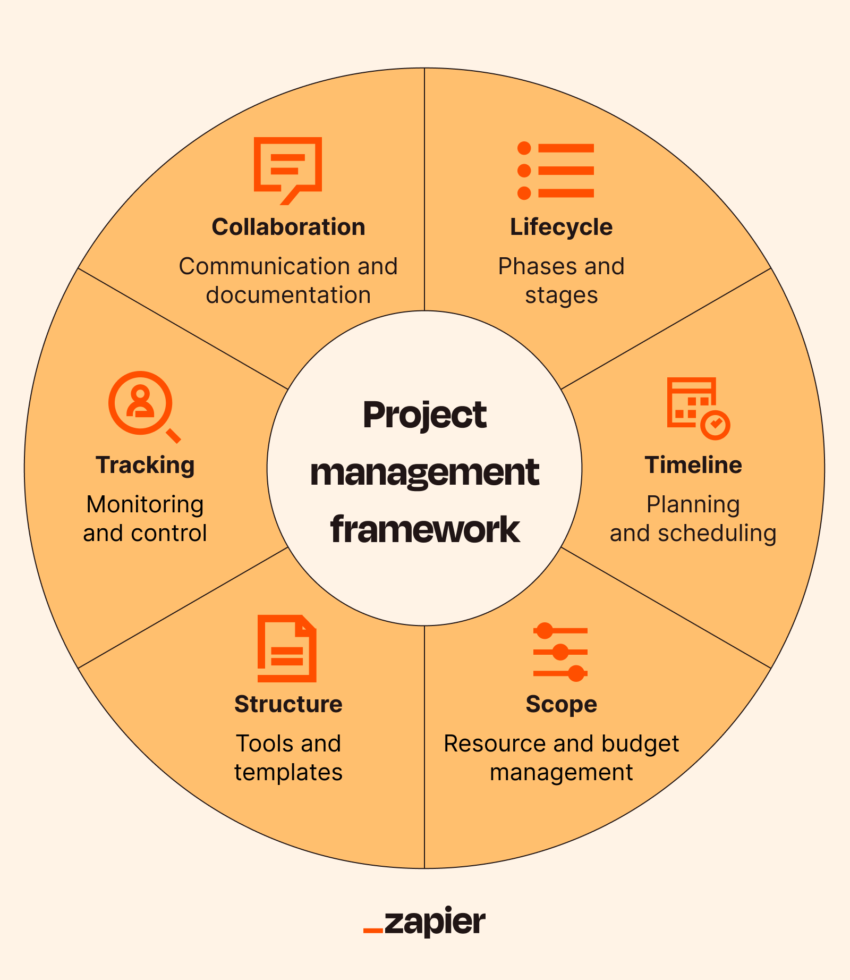
Successful DIY projects depend less on enthusiasm and more on structured planning, realistic budgeting, safety awareness, and disciplined execution. This guide presents a step-by-step framework—from defining scope and assessing skills to sourcing materials and managing timelines—designed to help homeowners complete projects efficiently, safely, and with lasting results. Thoughtful preparation reduces costly mistakes and improves long-term satisfaction.
DIY culture in the United States continues to grow, fueled by online tutorials, accessible tools, and rising labor costs. According to the Home Improvement Research Institute, homeowners increasingly take on projects themselves, especially cosmetic upgrades and minor renovations. At the same time, incomplete or poorly planned DIY efforts remain common sources of frustration.
What separates a successful project from one that stalls halfway through?
It is rarely raw skill alone. Instead, success typically follows a structured framework—one that prioritizes planning, clear scope definition, budget realism, and disciplined execution.
This article outlines a practical approach that can be applied to nearly any DIY endeavor, from repainting a room to installing shelving or updating a bathroom vanity.
Step 1: Clarify the Purpose Before You Buy a Single Tool
One of the most common mistakes homeowners make is starting with materials instead of intent.
Ask yourself:
- What problem am I solving?
- Is this cosmetic, functional, or structural?
- How will this improvement affect daily life?
For example, repainting a living room may seem straightforward. But if the real issue is poor lighting, paint alone may not solve the problem. Similarly, adding shelves in a garage without addressing layout inefficiencies could simply relocate clutter.
A clearly defined objective shapes every decision that follows.
Write a short project brief—even for small jobs. Outline scope, desired outcome, constraints, and estimated timeline. This simple step prevents scope creep later.
Step 2: Honestly Assess Skill Level and Risk
Search queries like “Can I install my own tile?” or “Is replacing a light fixture difficult?” reflect a broader question: Should I attempt this myself?
The U.S. Consumer Product Safety Commission reports thousands of injuries annually related to home improvement activities. Many occur not because homeowners lack intelligence, but because they underestimate complexity or skip safety preparation.
Evaluate projects using three criteria:
- Complexity: Does this require specialized knowledge?
- Risk: Could mistakes cause injury or property damage?
- Code compliance: Does local building code require permits or inspections?
Cosmetic updates like painting, installing cabinet hardware, or assembling shelving are generally low risk. Electrical panel upgrades or structural framing modifications are not.
Confidence should be grounded in preparation—not assumption.
Step 3: Research Beyond the First Tutorial
Online videos make DIY accessible, but not all tutorials reflect best practices or regional code requirements.
Cross-reference information using:
- Manufacturer installation guides
- Local building department websites
- Established trade associations
For example, the National Electrical Contractors Association publishes guidelines emphasizing that even minor electrical modifications may require permits depending on jurisdiction.
Read at least three credible sources before beginning.
Look for consistency. If experienced professionals emphasize specific steps—such as priming drywall before painting—do not skip them to save time.
Step 4: Create a Realistic Budget (Including Contingencies)
A common search question is: “Why did my DIY project cost more than expected?”
Underestimating materials, forgetting tools, and ignoring waste factors contribute to overruns.
A practical budgeting framework includes:
- Materials (add 10–15% overage)
- Tools (purchase or rental)
- Safety equipment
- Disposal fees
- Permit costs
- Contingency reserve (10–20%)
For example, installing laminate flooring in a 300-square-foot room may require purchasing additional planks to account for cuts and pattern alignment. Under-ordering can delay the project.
Track expenses in a simple spreadsheet. Transparency reduces stress.
Step 5: Plan the Timeline in Phases
DIY timelines often expand because tasks are not sequenced properly.
Break projects into phases:
- Preparation (clearing space, protecting surfaces)
- Structural or foundational work
- Installation
- Finishing details
- Cleanup and inspection
Consider drying times, cure times, and delivery delays. Paint may dry within hours but require 24 hours before heavy contact. Adhesives may require full curing before stress is applied.
Assign realistic time blocks. Weekend projects frequently require follow-up evenings.
Step 6: Prepare the Workspace for Efficiency
Professional contractors prioritize site setup before starting work. Homeowners should do the same.
Efficient setup includes:
- Adequate lighting
- Organized tool layout
- Clear walking paths
- Dust containment (plastic sheeting)
- Accessible power sources
A disorganized workspace increases mistakes and fatigue.
In garages or basements, ensure proper ventilation when using adhesives or paints. The Occupational Safety and Health Administration emphasizes adequate airflow to reduce exposure to fumes.
Preparation may feel slow, but it saves time later.
Step 7: Focus on Technique, Not Speed
Rushing is a primary cause of uneven finishes and rework.
Take painting as an example. Professional painters spend substantial time on surface preparation—cleaning, patching, sanding, priming—before applying the first coat. Skipping these steps often leads to visible imperfections.
Similarly, when installing tile, careful layout planning prevents awkward edge cuts.
Pause regularly to reassess alignment, level, and spacing. A small correction early prevents major fixes later.
Step 8: Inspect as You Go
Inspection should not occur only at the end.
After completing each phase:
- Check level and plumb alignment
- Test functionality (drawers, outlets, doors)
- Look for visible gaps or uneven finishes
Address issues immediately while materials are accessible.
For example, tightening loose cabinet hardware before attaching adjacent components is far easier than disassembling later.
Step 9: Document the Project
Documentation benefits future maintenance and resale.
Keep:
- Receipts
- Warranty information
- Paint color codes
- Installation manuals
- Before-and-after photos
When selling a home, documented improvements demonstrate care and transparency.
Even for personal reference, documentation simplifies future repairs.
Step 10: Evaluate the Outcome Objectively
Once complete, assess the result using measurable criteria:
- Does it function as intended?
- Is the finish durable?
- Are materials holding securely?
- Would you repeat this approach?
Honest evaluation improves future projects.
Not every DIY attempt will be flawless. The goal is continuous improvement, not perfection.
Frequently Asked Questions
1. How do I know if a DIY project is too complex for me?
If it involves structural changes, major plumbing, or electrical panel work, consult a professional.
2. Should I pull permits for small renovations?
Many municipalities require permits for electrical, plumbing, or structural changes. Check local regulations.
3. How much contingency should I budget?
A 10–20% contingency is standard for small home projects.
4. What tools are worth investing in?
Quality measuring tools, a drill/driver, and safety equipment are foundational.
5. How can I avoid project fatigue?
Break tasks into manageable phases and set realistic timelines.
6. What’s the most common DIY mistake?
Skipping preparation and surface prep steps.
7. How do I choose materials wisely?
Balance durability, maintenance requirements, and long-term cost.
8. Is DIY cheaper than hiring a contractor?
It can be, but only if mistakes and rework are minimized.
9. How do I improve my DIY skills?
Start with small projects and build complexity gradually.
10. Should I get professional advice before starting?
For high-risk tasks, even a brief consultation can prevent costly errors.
Bringing Structure to Creativity
DIY projects blend creativity with discipline. Inspiration may spark the idea, but structure ensures completion.
A thoughtful framework—clear purpose, realistic budgeting, disciplined execution, and honest evaluation—transforms home improvement from trial-and-error into a repeatable process.
Homeowners who approach projects methodically often experience greater satisfaction and fewer setbacks.
DIY is not simply about saving money. It is about building capability.
The Framework That Makes DIY Sustainable
The difference between scattered attempts and consistent success lies in preparation.
When planning becomes habitual—when you define scope, research thoroughly, budget realistically, and execute patiently—projects become less stressful and more predictable.
DIY success is rarely accidental. It is structured.
Key Principles to Remember
- Define the project purpose clearly
- Assess skill level honestly
- Research from multiple credible sources
- Budget with contingency
- Sequence work logically
- Prepare the workspace carefully
- Prioritize technique over speed
- Inspect continuously
- Document improvements