
Summary
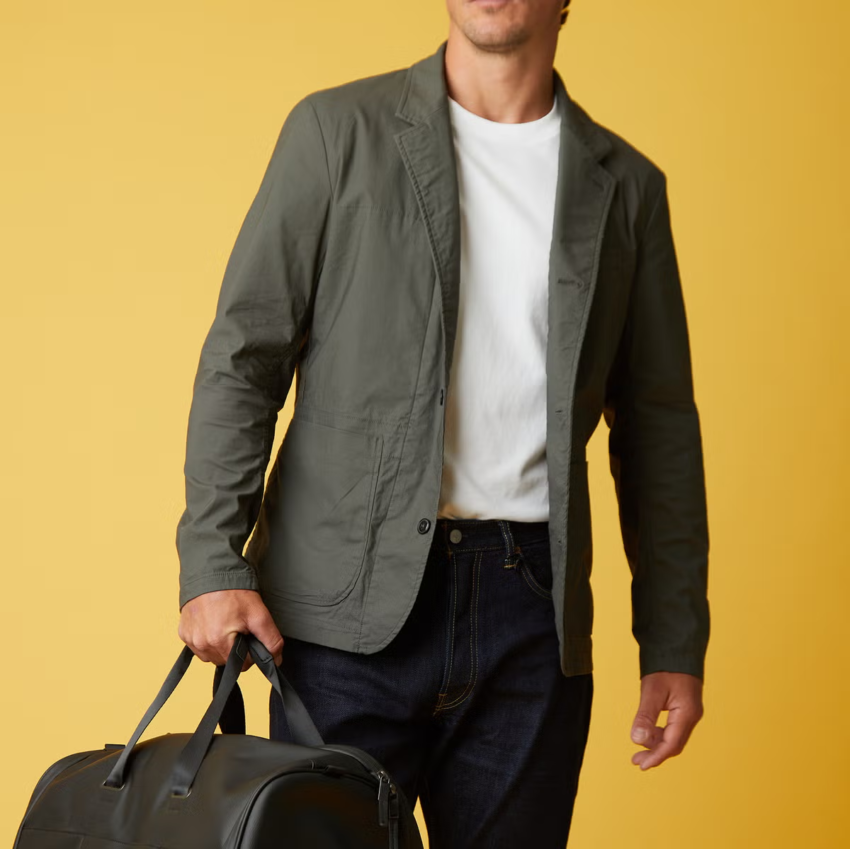
American men are reshaping everyday style by prioritizing versatility, comfort, and longevity over rigid dress codes. As work environments evolve and lifestyles blend professional and personal spaces, wardrobes are becoming smarter and more intentional. This shift reflects broader cultural changes—remote work, wellness awareness, and value-driven consumption—resulting in clothing that adapts seamlessly from office hours to off-duty life.
The End of the Hard Line Between Work and Life
For decades, men’s style in the U.S. followed a predictable script: suits for work, casualwear for weekends, and little overlap between the two. That line has steadily faded. Hybrid work, flexible schedules, and shifting cultural expectations have redefined what “appropriate” looks like in everyday life.
According to a 2023 Gallup survey, more than 50% of U.S. employees now work in hybrid or fully remote roles at least part of the time. Clothing has adapted accordingly. Men no longer dress solely for the office or the weekend—they dress for a full day that may include meetings, school pickups, errands, social plans, and personal downtime.
The result is not sloppiness, but intentional simplicity. Men are seeking clothes that look composed without feeling restrictive, and polished without appearing overly formal.
Why Comfort Is Now a Baseline, Not a Bonus
Comfort used to be framed as a compromise in men’s fashion. Today, it’s a baseline expectation. Advances in fabric technology—stretch blends, moisture-wicking fibers, temperature-regulating weaves—have made it possible for everyday garments to feel significantly better without sacrificing structure.
This shift is also psychological. After years of disrupted routines, men are more attuned to how clothing affects energy, posture, and confidence. A jacket that pulls at the shoulders or shoes that pinch by noon no longer make sense when alternatives exist.
What’s notable is that comfort is now quietly embedded into classic silhouettes. Instead of replacing tailored looks, it’s refining them.
Examples seen across the U.S. include:
- Structured blazers with stretch linings that move like knitwear
- Dress shirts designed to be worn untucked without looking casual
- Loafers and minimalist sneakers engineered for extended walking
These choices allow men to stay present and functional throughout the day, rather than dressing for a single environment.
The Rise of the “Everywhere Outfit”
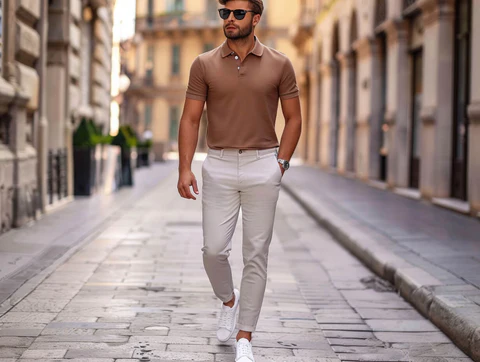
One of the most common questions American men now ask is: What can I wear that works for most of my day? The answer has become the “everywhere outfit”—a combination that transitions smoothly across contexts.
Rather than owning separate wardrobes for work, weekends, and social occasions, men are streamlining around versatile cores. This approach saves time, reduces decision fatigue, and often leads to better-quality purchases.
A typical everywhere outfit might include:
- A tailored but relaxed trouser with stretch
- A neutral knit polo or refined T-shirt
- A lightweight jacket or overshirt
- Clean leather sneakers or soft-soled loafers
The emphasis isn’t on trendiness. It’s on adaptability. These outfits look intentional whether worn into a meeting, to lunch, or while traveling across town.
Casualization Without Carelessness
There’s a misconception that casualization means abandoning standards. In reality, American men are becoming more selective, not less. As ties disappear and formal suits become occasional wear, attention shifts to fit, fabric, and proportion.
A poorly fitting casual outfit now stands out more than a slightly overdressed one. Men are learning that relaxed style still requires structure.
Key refinements shaping modern casual style include:
- Choosing heavier-weight T-shirts that hold their shape
- Favoring neutral color palettes for easier coordination
- Paying closer attention to tailoring, even in casual pants
This evolution reflects a broader cultural shift toward understated competence—looking capable without appearing showy.
Workplaces Are Driving the Change—Quietly
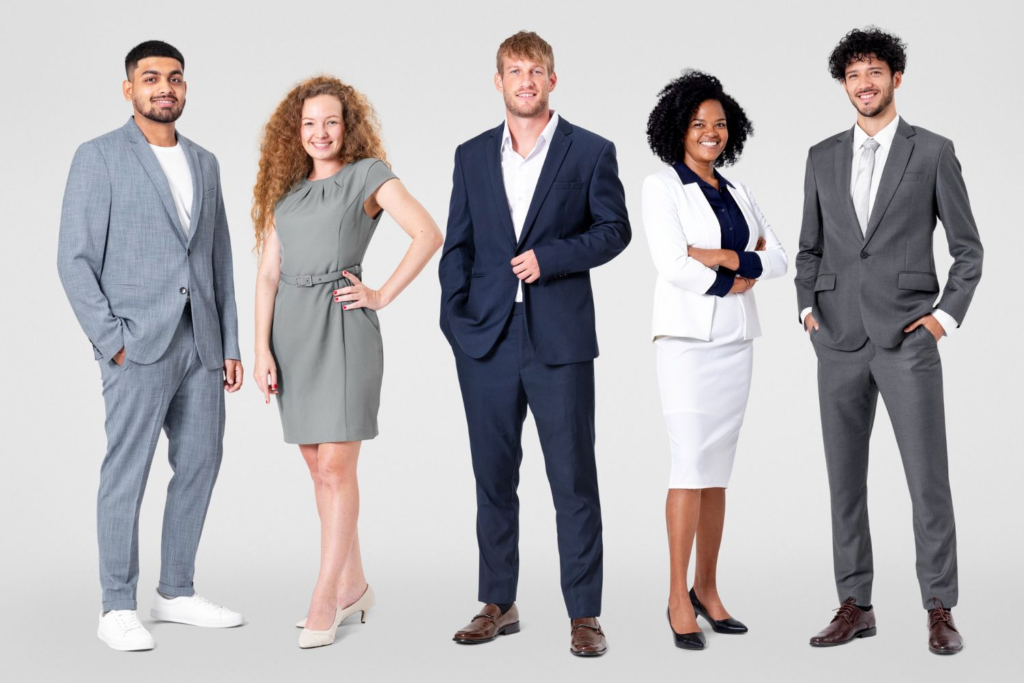
Many U.S. offices have not formally updated dress codes, yet expectations have clearly changed. In tech, media, consulting, and creative industries, the visual hierarchy of clothing has flattened. Authority is less often signaled through formality and more through consistency and clarity.
Men who dress well today tend to look:
- Put-together without being rigid
- Clean and intentional rather than fashion-forward
- Appropriate across a range of interactions
This doesn’t mean anything goes. Instead, it rewards men who understand balance—knowing when to elevate an outfit slightly and when to keep it restrained.
The Influence of Age and Life Stage
Men in their 30s and 40s are at the center of this shift. Many are balancing career growth with family responsibilities, social commitments, and health priorities. Clothing that demands too much attention or maintenance no longer fits their reality.
Younger professionals entering the workforce also bring different expectations. Having grown up in a more casual cultural environment, they value authenticity over formality. Yet they still want to look credible.
Across age groups, the unifying theme is intentionality. Men are dressing less for external approval and more for functional self-respect.
Quality Over Quantity Is Becoming the Norm
Another frequent search question is: How many clothes does a man really need? While answers vary, the trend points toward smaller, better-curated wardrobes.
Rising costs and increased awareness of sustainability have encouraged men to invest more carefully. According to McKinsey’s State of Fashion report, U.S. consumers are buying fewer items but expecting higher durability and versatility from each piece.
This mindset favors:
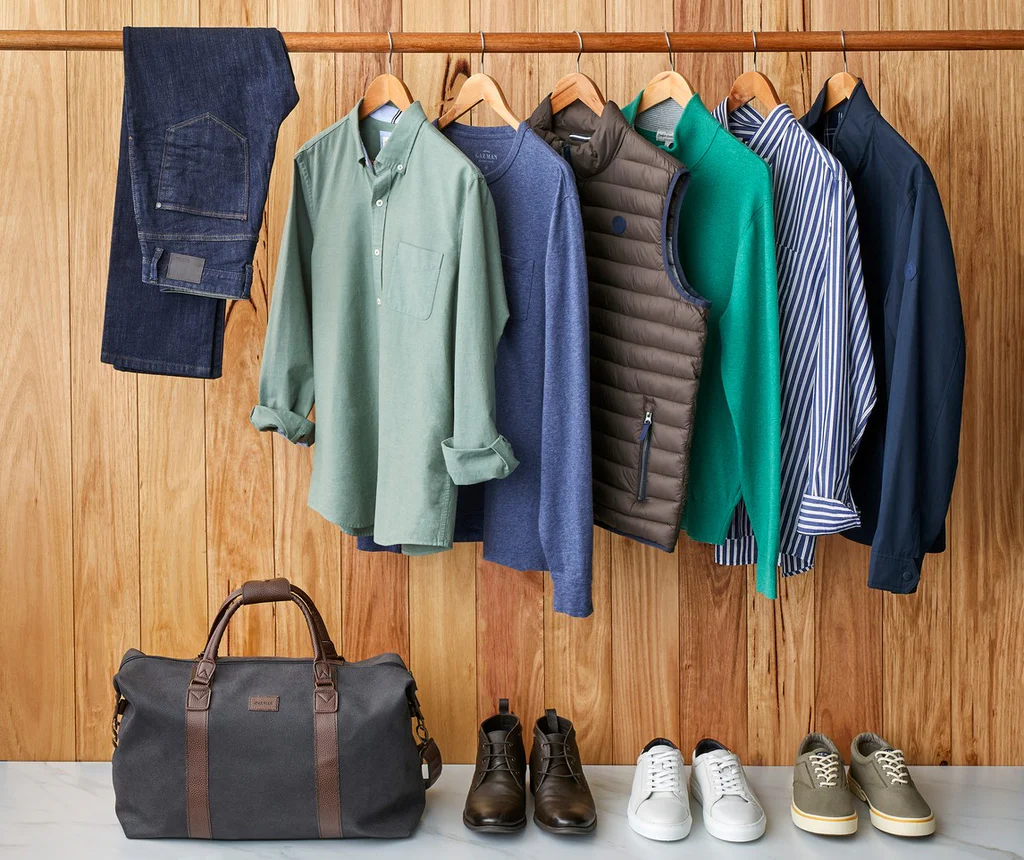
- Neutral colors that work across seasons
- Durable fabrics that age well
- Timeless designs that won’t feel dated in a year
Men are discovering that owning fewer clothes can actually increase daily confidence—every option feels reliable.
Real-World Example: A Typical Hybrid Workday
Consider a consultant in Chicago who works from home three days a week and visits clients twice weekly. His day might include video calls, commuting, walking between meetings, and dinner with friends.
Instead of changing outfits multiple times, he relies on:
- Stretch wool trousers
- A refined knit top
- A lightweight blazer with unstructured shoulders
- Versatile leather shoes
This single outfit carries him through the entire day without feeling out of place at any point. That’s the practical promise of modern men’s style.
What American Men Are Searching For—and Finding
Search data consistently shows interest in phrases like:
- “Business casual for men”
- “What to wear to work now”
- “Men’s capsule wardrobe”
The underlying intent isn’t fashion obsession. It’s problem-solving. Men want guidance that respects their time, budget, and real lives.
The most trusted advice focuses on principles rather than prescriptions—how clothes should function, fit, and feel rather than what’s “in” this season.
Frequently Asked Questions
1. Is business casual still relevant in the U.S.?
Yes, but it has evolved. Business casual now emphasizes clean lines, comfort, and versatility rather than strict rules.
2. Can sneakers really work in professional settings?
In many industries, yes—if they are clean, minimal, and paired thoughtfully with tailored pieces.
3. How important is tailoring for casual clothing?
Very. Proper fit is often what separates intentional casual style from looking unfinished.
4. Are men buying fewer clothes than before?
Data suggests men are prioritizing quality and versatility, leading to fewer but better purchases.
5. What colors are safest for everyday outfits?
Neutrals like navy, gray, olive, beige, and white remain the most adaptable.
6. How do I dress well while working from home?
Focus on comfortable but structured pieces that look good on camera and feel good all day.
7. Is it worth investing in higher-quality basics?
Yes. Well-made basics often last longer and perform better across multiple settings.
8. How do I transition an outfit from day to night?
Layering is key. A jacket or shoe change can subtly elevate an outfit.
9. Are trends still important for men’s fashion?
Trends matter less than fit and function. Most men benefit from timeless styles with modern updates.
Where Everyday Style Is Headed Next
Men’s everyday style in the U.S. isn’t becoming more casual—it’s becoming more considered. As lifestyles continue to blend, clothing will increasingly serve as quiet infrastructure rather than loud expression. The men who dress best are not chasing attention; they’re building systems that support their days with minimal friction and maximum confidence.
The Core Shifts Worth Remembering
- Versatility now defines good style
- Comfort and structure are no longer opposites
- Smaller wardrobes encourage better decisions
- Everyday clothing reflects lifestyle values, not just trends