
Summary
Social media now frames much of the American day, from morning news checks to evening conversations. This article explores how platforms fit into daily routines, work habits, relationships, and mental well-being—drawing on research, real-life examples, and practical guidance to help readers understand and manage social media as a lasting part of modern American life.
The Quiet Integration of Social Media Into Daily Life
For many Americans, social media is no longer a discrete activity—it’s an ambient presence. The phone check before coffee, the lunchtime scroll, the evening post that marks the end of the day: these moments form a rhythm that blends seamlessly with work, family life, and leisure.
According to research from Pew Research Center, a majority of U.S. adults use at least one social media platform daily, and usage cuts across age, income, and profession. What’s changed in recent years is not just how often people log on, but how deeply social platforms are woven into everyday routines.
Social media no longer feels like “time spent online.” Instead, it often feels like time spent living—staying informed, connected, and socially present.
Morning Scrolls: Information, Habit, and Control
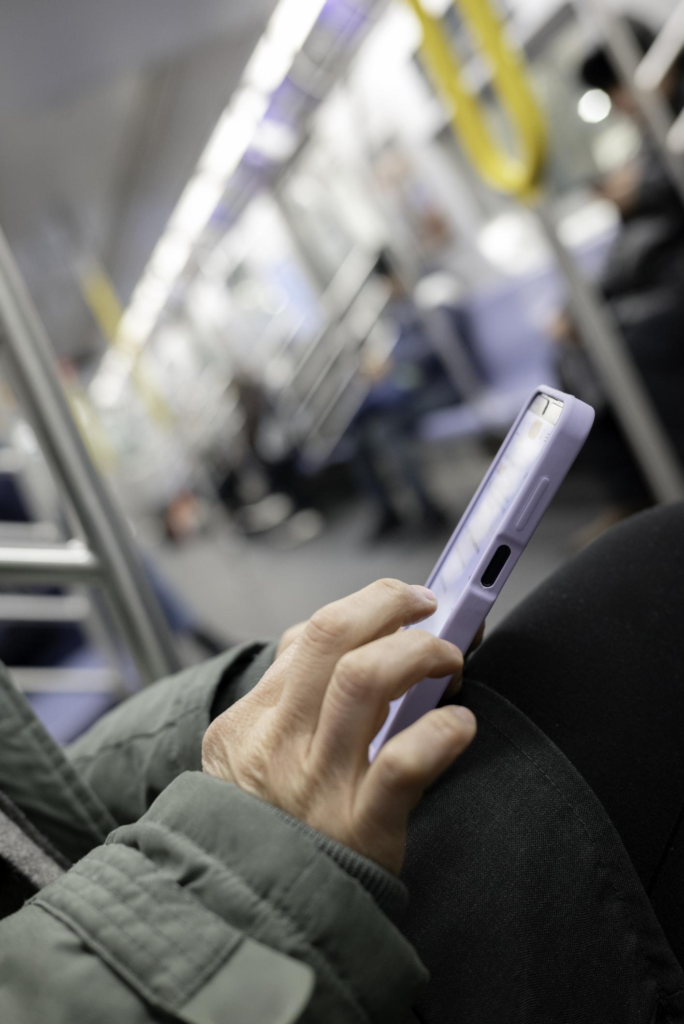
The day often begins with a screen. For many Americans, the morning scroll replaces the morning paper or radio news update. Platforms deliver headlines, weather, traffic updates, and messages from friends in a single glance.
This habit serves practical needs:
- Catching up on news before work
- Checking family group chats
- Reviewing calendar reminders or event updates
- Getting a quick sense of the cultural conversation
But the morning scroll can also shape mood and attention. Studies in behavioral psychology suggest that information consumed early in the day can influence stress levels and focus. Americans who curate their feeds carefully—following reliable news outlets, muting overly negative accounts—often report feeling more informed without feeling overwhelmed.
In practice, many people find balance by setting informal boundaries, such as avoiding comments sections in the morning or limiting scrolling to a fixed time window.
Social Media at Work: Productivity Tool or Distraction?
Social media’s role in American work culture is complicated. For some professions—marketing, journalism, sales, public relations—it’s an essential tool. For others, it’s a background distraction competing with focus and deep work.
Professionally, platforms are now used to:
- Build personal brands and industry visibility
- Network with peers and recruiters
- Follow professional trends and thought leaders
- Support customer engagement and feedback
At the same time, constant notifications can fragment attention. Many workplaces now acknowledge this tension and encourage intentional use rather than outright bans. Employees increasingly mute nonessential alerts during work hours or reserve social checks for breaks, treating them the same way earlier generations treated coffee or hallway conversations.
The shift reflects a broader understanding: social media isn’t leaving the workplace, but it does need structure.
Midday Engagement: Community, News, and Social Awareness
By midday, social media often shifts from habit to purpose. Americans turn to platforms to understand what’s happening locally and nationally, from breaking news to cultural moments.
This midday usage often includes:
- Following live updates during major news events
- Engaging with community discussions
- Sharing opinions or reacting to trending topics
- Supporting causes or organizations through reposts
Social platforms have become informal civic spaces. While they don’t replace traditional institutions, they influence how Americans learn about issues and participate in public conversations. The key difference today is speed: information spreads instantly, making digital literacy and source awareness more important than ever.

Relationships in the Age of Digital Presence
Social media has reshaped how Americans maintain relationships. For many, it’s the primary way to stay connected with distant family members, former classmates, or friends in different life stages.
Everyday examples include:
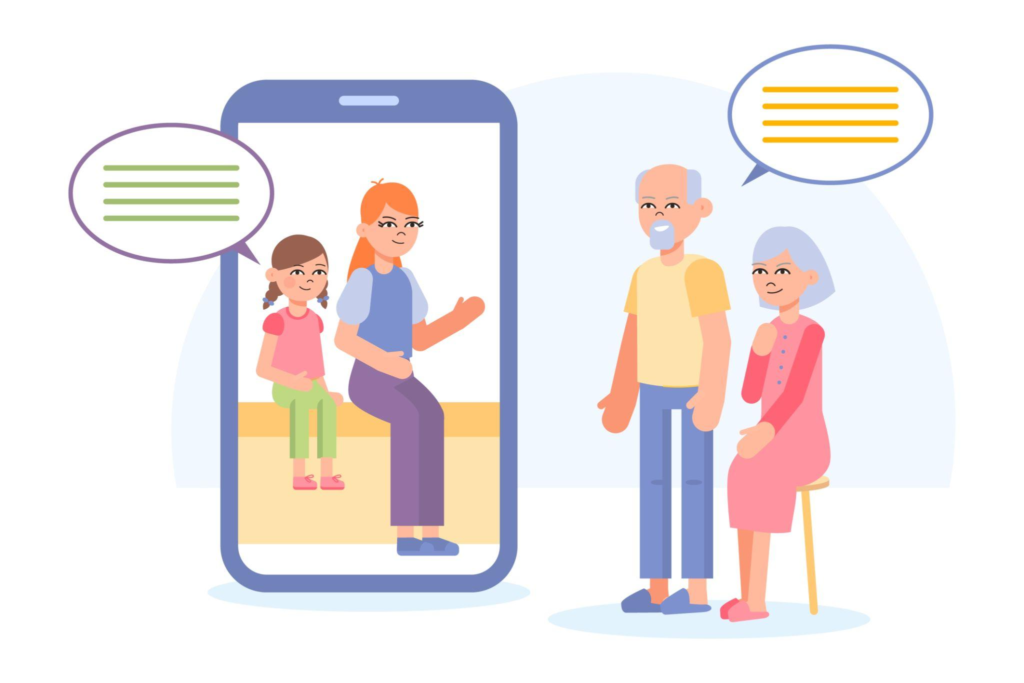
- Grandparents watching grandchildren grow through photos
- Military families staying connected across time zones
- Old friends reconnecting after decades
- New parents finding peer support online
Yet social media also introduces new social pressures. Expectations around responding, liking, or posting can create subtle stress. Many Americans now consciously redefine what connection means, choosing private messages over public posts or limiting who sees personal updates.
These choices reflect a growing awareness that digital closeness works best when aligned with personal comfort, not social expectation.
Evening Posts: Expression, Reflection, and Wind-Down
As the day winds down, social media often becomes more reflective. Evening usage tends to be less about information and more about expression—sharing photos, commenting on friends’ updates, or unwinding with entertainment content.
For some, posting at night is a way to mark the day’s end, similar to journaling or watching evening television. For others, it’s a moment of creative expression or humor.
However, evening use also raises questions about sleep and well-being. Health experts consistently recommend limiting screen exposure close to bedtime. In response, many Americans now:
- Switch phones to night or grayscale mode
- Avoid news-heavy content late in the evening
- Replace scrolling with audio or offline activities before sleep
These small adjustments reflect a broader shift toward mindful use rather than constant availability.
Mental Health, Comparison, and Conscious Use
Conversations about social media and mental health have become more nuanced. Early narratives focused on harm alone, but current research suggests outcomes depend heavily on how platforms are used.
Passive scrolling, constant comparison, and exposure to unrealistic lifestyles can negatively affect self-esteem. On the other hand, active engagement, supportive communities, and educational content can offer genuine benefits.
Many Americans now approach social media as a tool requiring skill. They unfollow accounts that trigger stress, seek content aligned with their values, and take regular breaks without fully disconnecting.
This shift toward conscious use marks a maturing relationship between users and technology.
How Americans Are Redefining Digital Boundaries
Unlike earlier eras of social media, today’s users are more intentional. Boundaries are no longer framed as quitting platforms altogether but as customizing the experience.
Common boundary-setting strategies include:
- Turning off push notifications
- Limiting app usage during meals or family time
- Separating personal and professional accounts
- Choosing private sharing over public posting
These practices reflect a broader cultural change: social media is no longer novel, and Americans feel more empowered to shape how it fits into their lives.
The Long View: Social Media as a Lifestyle Infrastructure
Social media is no longer an add-on to American life—it’s infrastructure. It supports communication, information flow, entertainment, and identity expression. Like email or smartphones before it, social platforms have passed the point of optional adoption.
The key question moving forward isn’t whether Americans will use social media, but how intentionally they’ll integrate it. The trend suggests a future defined less by constant growth and more by selective, purpose-driven engagement.
Frequently Asked Questions
How much time do Americans spend on social media daily?
On average, U.S. adults spend roughly two hours per day on social platforms, though usage varies widely by age and profession.
Is social media more helpful or harmful to daily life?
It depends on usage patterns. Active, intentional use tends to correlate with positive outcomes, while passive, comparison-driven use can have negative effects.
Why do people check social media first thing in the morning?
Many use it as a quick information update, replacing older habits like reading newspapers or watching morning news.
Does social media affect work productivity?
It can, both positively and negatively. Structured use often supports networking and learning, while unchecked notifications can disrupt focus.
How has social media changed relationships?
It makes maintaining long-distance connections easier but also introduces new social expectations around availability and engagement.
Is it healthy to post daily?
Frequency matters less than intention. Posting can be healthy if it feels expressive rather than obligatory.
How can people avoid comparison stress online?
Curating feeds, limiting passive scrolling, and remembering that posts represent highlights—not full lives—helps reduce comparison.
Are Americans using social media less than before?
Overall usage remains high, but many users report being more selective about platforms and content.
What role does social media play in news consumption?
It’s a major discovery tool, though most Americans still rely on established outlets for verification.
Where Everyday Life and Digital Life Meet
Social media’s place in American life is no longer debated—it’s negotiated. From morning scrolls to evening posts, Americans are learning to live with these platforms rather than around them. The future of social media in daily life will be shaped not by new features alone, but by how thoughtfully people choose to engage.
Key Patterns Shaping Social Media Use Today
- Social media follows daily rhythms rather than disrupting them
- Boundaries are becoming more personalized and intentional
- Professional and personal use increasingly overlap
- Mental health conversations emphasize mindful engagement
- Platforms function as long-term lifestyle tools, not trends