

Summary
High-visibility careers amplify both opportunity and risk. Celebrities and business leaders must manage reputation, capital, legal exposure, and personal decision-making under constant scrutiny. This in-depth analysis explores how public figures assess risk, protect long-term value, and retain control through disciplined structures, professional governance, and strategic restraint—offering practical insights relevant far beyond fame-driven industries.
Understanding Risk in the Age of Constant Visibility
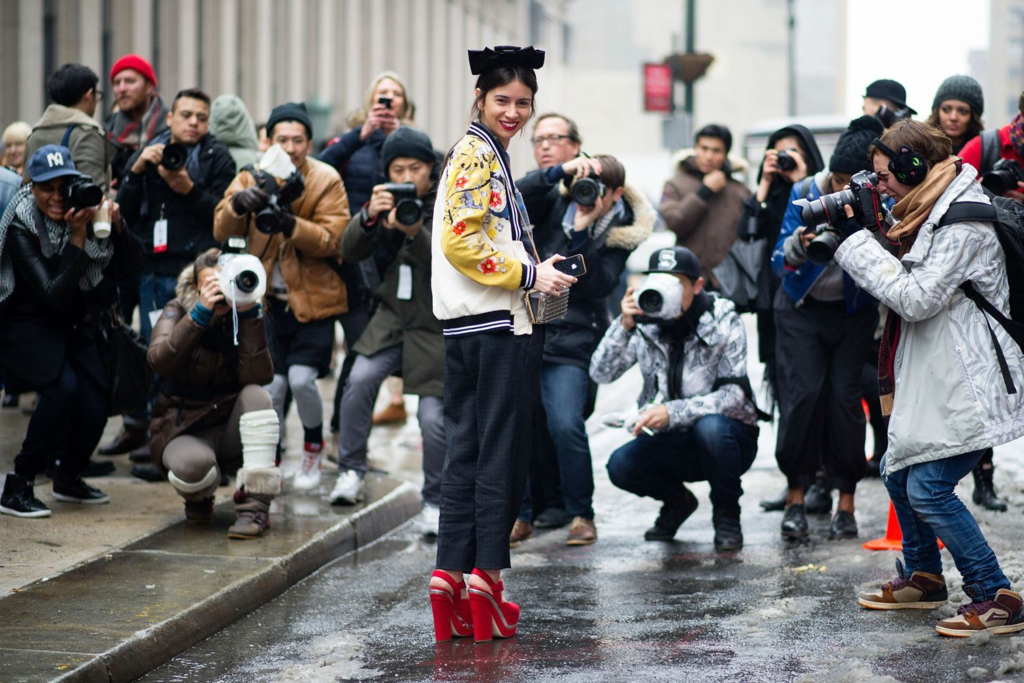
Fame has always carried risk, but modern visibility is structurally different. For public figures—actors, musicians, athletes, founders, and business tycoons—exposure is no longer limited to professional output. Social media, 24-hour news cycles, shareholder transparency, and digital permanence mean that personal behavior, offhand comments, and private decisions can rapidly become material risks.
In the U.S., this matters because visibility often correlates with economic leverage. A recognizable name can unlock endorsements, investment access, media reach, and pricing power. But the same visibility also magnifies downside. A single misstep can erode brand equity built over decades, trigger contractual penalties, or introduce regulatory and legal scrutiny.
Risk management for public figures is therefore not about avoiding mistakes entirely—an impossible goal—but about designing systems that absorb shock, limit exposure, and preserve long-term control.
The Four Core Risk Domains Public Figures Face
While each career path carries unique pressures, most high-visibility figures manage risk across four overlapping domains.
1. Reputational Risk
Reputation functions as an intangible asset. According to a 2023 Deloitte study on brand trust, over 80% of consumer purchasing decisions are influenced by perceived integrity and credibility. For public figures, reputation directly affects deal flow, audience loyalty, and valuation.
Unlike financial risk, reputational damage is often nonlinear. Losses can accelerate quickly and recover slowly, if at all.
2. Financial and Capital Risk
Visibility creates access to capital—but access without discipline often leads to overextension. Public figures frequently face:
- Concentrated income streams
- Volatile revenue cycles
- Pressure to invest publicly or prematurely
Many high-profile bankruptcies stem not from lack of income but from poor liquidity planning and inadequate downside modeling.
3. Legal and Regulatory Risk
Contracts, intellectual property, employment law, securities regulations, and tax exposure all scale with prominence. Public figures are also more likely to face opportunistic litigation, even when claims lack merit.
4. Personal and Behavioral Risk
Decision fatigue, entitlement bias, and isolation are common among highly visible individuals. Harvard Business Review has documented how power and fame can reduce feedback quality, increasing the likelihood of unforced errors.

Why Visibility Changes the Risk Equation Entirely
Risk tolerance is contextual. A private professional can fail quietly and recalibrate. A public figure cannot.
Visibility introduces three compounding factors:
- Speed: News travels faster than institutional response mechanisms.
- Amplification: Algorithms reward controversy over context.
- Permanence: Digital records make recovery reputationally expensive.
This is why experienced public figures treat risk not as episodic events but as an operating condition. They assume scrutiny is constant and design accordingly.
Structural Controls: How Professionals Protect Themselves
The most successful public figures rarely manage risk personally. They build layered systems that separate identity from operations.
Common structural controls include:
- Legal entities that isolate personal assets from business liabilities
- Independent boards or advisors to counter internal bias
- Clear authority boundaries between brand, management, and ownership
For example, many celebrity entrepreneurs establish holding companies that own licensing rights, investments, and intellectual property—allowing personal reputation to fuel value without directly holding operational risk.
This approach mirrors practices used by institutional investors and family offices, reinforcing discipline even during periods of peak success.
Reputation as a Managed Asset, Not a Personality Trait
One of the most important mindset shifts among seasoned public figures is recognizing that reputation must be governed.
This does not mean artificial image control. It means consistency, predictability, and alignment between public behavior and private incentives.
Consider Oprah Winfrey, whose brand durability stems from decades of coherent positioning. Her public trust was not built through constant visibility but through selective engagement, disciplined partnerships, and long-term alignment between values and ventures.
In contrast, overexposure—especially across unrelated causes or industries—often weakens reputational coherence and increases volatility.
Capital Discipline Under Public Pressure
High earners face a paradox: the more visible the income, the greater the pressure to deploy it publicly.
Public figures are frequently encouraged to:
- Invest in trendy startups
- Launch consumer brands prematurely
- Take equity stakes without governance rights
Yet experienced advisors emphasize boring fundamentals:
- Liquidity buffers
- Diversification across uncorrelated assets
- Conservative leverage
According to Federal Reserve data, over 60% of high-income earners experience income volatility exceeding 25% year-over-year. Public figures are disproportionately represented in this group.
Those who last plan for revenue contraction even during expansion.
Decision-Making When Every Move Is Observed
Visibility distorts feedback. Praise is louder than critique, and criticism is often unconstructive.
To counter this, high-performing public figures intentionally design environments where honest feedback is safe and expected. This may include:
- Trusted private advisors with veto authority
- Pre-commitment rules around public statements
- Cooling-off periods before major announcements
Warren Buffett has long credited decision restraint—not constant action—as a core risk management tool. While not a celebrity in the entertainment sense, his visibility illustrates how public expectations can be managed through predictability and discipline.
Media Strategy as Risk Management
Media engagement is not neutral. Every interview, post, or appearance carries asymmetric downside.
Professionals therefore evaluate:
- Timing (Is this necessary now?)
- Platform fit (Does this audience align?)
- Message durability (Will this age well?)
Many crises escalate because of reactive communication. Silence, when strategic, often preserves optionality.
This approach is increasingly relevant in a fragmented media landscape where context is frequently stripped from content.
What Happens When Controls Fail
Risk systems are most visible when they break.
Common failure patterns include:
- Excessive leverage tied to personal guarantees
- Blurring personal and corporate finances
- Overconfidence during peak demand cycles
Public case studies repeatedly show that recovery is possible—but only when individuals regain operational control and reduce exposure.
In many instances, reputational recovery lags financial recovery by years, underscoring the value of early safeguards.
Lessons That Apply Beyond Fame
While few readers live under constant public scrutiny, the underlying principles apply broadly.
Any professional whose income depends on trust, visibility, or reputation—executives, founders, consultants, creators—faces similar dynamics at smaller scale.
The core lesson is structural: design systems that protect you from your best and worst moments.

Frequently Asked Questions
1. Why do public figures face higher risk than private professionals?
Visibility amplifies consequences, accelerates feedback loops, and limits recovery time.
2. How do celebrities protect their money long-term?
Through entity structures, diversified portfolios, and conservative liquidity planning.
3. Is reputation really a financial asset?
Yes. It directly influences deal access, pricing power, and partnership quality.
4. What role do advisors play in risk management?
They provide independent judgment and counterbalance internal bias.
5. Can public figures avoid reputational risk entirely?
No, but they can limit exposure and improve recovery outcomes.
6. How important is media training?
Critical. Poor communication often magnifies otherwise manageable issues.
7. Do business tycoons face the same risks as entertainers?
Yes, especially founders whose identity is closely tied to their company.
8. What is the biggest mistake high-visibility professionals make?
Confusing short-term attention with long-term value.
9. How does social media change risk management?
It compresses reaction time and increases the permanence of errors.
Where Control Ultimately Comes From
True control in high-visibility careers does not come from popularity, wealth, or reach. It comes from structure.
Public figures who endure understand that fame is a volatile input, not a stable foundation. By separating identity from operations, discipline from emotion, and exposure from ownership, they preserve autonomy long after attention shifts.
In a system designed to reward noise, control belongs to those who build quietly—and plan for what happens when the spotlight moves on.
Key Signals Readers Should Remember
- Visibility multiplies both upside and downside
- Reputation requires governance, not just intention
- Capital access without structure increases fragility
- Control is built through systems, not status