

Summary
Leading American actors stand out not by chance, but through disciplined craft, strategic career choices, and deep collaboration. This article explores what separates top performers from their peers—training, preparation, adaptability, industry knowledge, and professionalism—offering readers a clear, experience-based look at how sustained excellence in American film acting is built and maintained.
Introduction: Talent Is Only the Starting Point
Audiences often describe great performances as “natural” or “effortless.” In reality, the most respected American actors rely on years of training, deliberate preparation, and professional discipline. While talent matters, it is rarely the defining factor that separates consistently excellent actors from those who fade after early success.
In the U.S. film industry—where competition is intense and visibility can be fleeting—longevity depends on skills that go far beyond memorizing lines or delivering emotional scenes. Leading actors combine craft mastery with business awareness, emotional intelligence, and adaptability to shifting industry realities. Understanding these elements helps explain why certain performances resonate deeply and why certain careers endure.
A Foundation Built on Craft, Not Fame
Most leading American actors invest heavily in formal training long before recognition arrives. Acting schools, theater programs, and ongoing coaching remain central even for established stars.
Training typically emphasizes:
- Script analysis and character development
- Voice control and physical presence
- Emotional accessibility without emotional harm
- Scene partner responsiveness
According to data from major U.S. acting unions and conservatories, actors with sustained careers are significantly more likely to have theater backgrounds or long-term coaching relationships than those who rely solely on screen exposure. Stage work, in particular, develops discipline and consistency—traits casting directors quietly value.
This foundation allows actors to adjust performances without losing authenticity, whether working on an intimate independent film or a large-scale studio production.
Preparation That Goes Beyond the Script
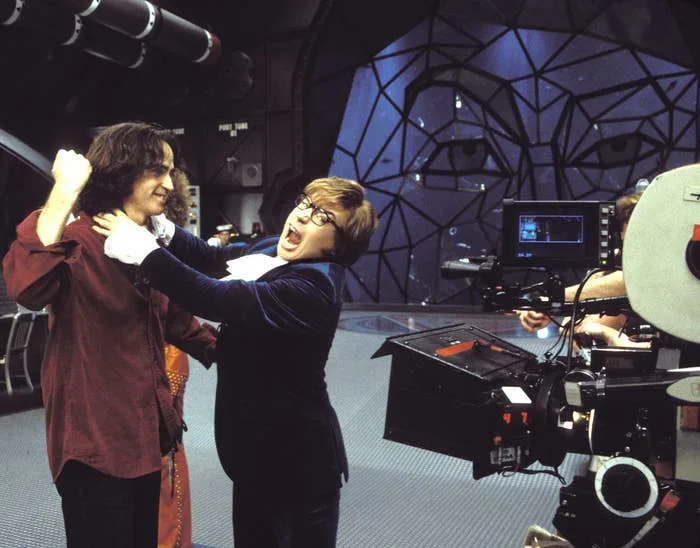
One of the clearest distinctions among top performers is the depth of their preparation. Leading actors rarely arrive on set having only learned their lines. Instead, they build complete internal frameworks for their characters.
Preparation often includes:
- Researching real-world professions, dialects, or historical contexts
- Developing personal backstories not explicitly stated in the script
- Identifying emotional arcs across scenes rather than isolated moments
For example, actors portraying first responders or military personnel frequently consult professionals in those fields. This level of realism may not always be obvious to viewers, but it influences subtle physical choices and reactions that make performances credible.
Directors consistently report that prepared actors elevate entire productions by requiring fewer takes and offering grounded, flexible interpretations.
Emotional Access Without Emotional Burnout
American acting culture historically valued emotional intensity, sometimes at personal cost. Today’s leading actors increasingly focus on emotional access rather than emotional sacrifice.
They learn how to:
- Enter emotional states efficiently
- Exit them safely after scenes
- Maintain mental health across long productions
Psychological studies cited by U.S. film unions show that actors who lack emotional regulation skills face higher burnout rates. In contrast, professionals who develop repeatable emotional techniques—not raw vulnerability—maintain both performance quality and personal stability.
This balance allows actors to deliver powerful scenes consistently without jeopardizing long-term well-being.
Collaboration as a Core Skill
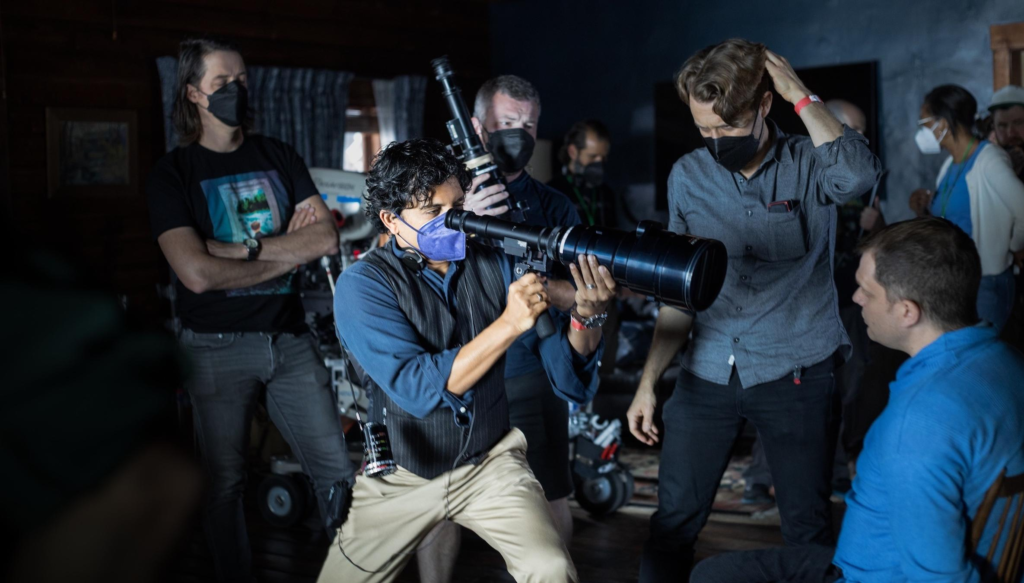
Great performances are rarely solo achievements. Leading actors understand that acting is fundamentally collaborative.
Strong collaborators:
- Adjust performances to support scene partners
- Communicate clearly with directors without defensiveness
- Respect crew roles and production constraints
In ensemble films, this skill becomes especially visible. Actors who listen actively—rather than compete for attention—create more believable relationships on screen. Casting professionals often favor these actors, knowing they improve group dynamics and reduce production friction.
Collaboration also extends to accepting feedback. Top actors refine performances through dialogue, not ego, making them reliable partners across diverse creative teams.
Strategic Role Selection and Career Management
Another defining difference lies in how leading actors choose roles. Career longevity in American cinema is rarely accidental.
Experienced actors evaluate projects based on:
- Script quality and character complexity
- Director reputation and creative vision
- Long-term brand alignment rather than short-term exposure
Many respected performers alternate between high-visibility projects and smaller, character-driven films. This balance preserves audience interest while allowing artistic growth.
Industry data from talent agencies shows that actors who accept fewer but more intentional roles often experience longer relevance than those who overextend during peak visibility.
Adaptability in a Changing Industry
The American film landscape has changed dramatically in the past decade. Streaming platforms, limited series, and shifting audience habits require flexibility.
Leading actors adapt by:
- Transitioning fluidly between film, television, and streaming formats
- Adjusting performance styles for serialized storytelling
- Engaging thoughtfully with press and public visibility
Actors who resist these changes often struggle to maintain momentum. Those who embrace them—without abandoning craft standards—remain in demand across platforms.
Importantly, adaptability does not mean chasing trends. It means understanding how storytelling formats affect performance choices and audience connection.
Professionalism That Happens Off Camera
Much of what sets leading actors apart happens outside the frame. Professionalism remains one of the most decisive, yet least discussed, success factors.
Highly regarded actors are known for:
- Arriving prepared and punctual
- Maintaining consistency across multiple takes
- Treating cast and crew with respect
Producers frequently note that professionalism reduces production delays and costs. As a result, reliable actors are rehired more often, even when their performances are comparable to others.
In an industry built on reputation, behavior matters as much as talent.
The Subtle Art of Consistency
While breakout performances generate attention, consistency sustains careers. Leading American actors deliver believable work across genres, budgets, and creative environments.
Consistency involves:
- Technical control under pressure
- Emotional reliability across shooting schedules
- Adaptation to last-minute script or direction changes
Audiences may not consciously notice consistency, but they trust it. This trust translates into long-term audience loyalty and casting confidence.

Frequently Asked Questions
What skills separate great actors from average ones?
Preparation depth, emotional regulation, collaboration, and consistency matter more than raw talent alone.
Do most leading American actors have formal training?
Yes. While not universal, formal training or long-term coaching is common among actors with sustained careers.
How important is role selection for career longevity?
Extremely important. Strategic choices often determine whether early success becomes a long-term career.
Can actors succeed without theater experience?
Yes, but theater training often strengthens discipline and adaptability, which benefit screen work.
Why do some performances feel more “real” than others?
Detailed preparation and listening skills create subtle realism audiences respond to.
Is emotional intensity required for powerful performances?
No. Controlled emotional access is more sustainable and often more effective.
How has streaming changed acting careers?
It has expanded opportunities while requiring flexibility across formats and storytelling styles.
Do casting directors value professionalism?
Very much. Professional behavior directly influences repeat casting decisions.
Can adaptability outweigh early fame?
Often yes. Adaptable actors tend to maintain relevance longer than those relying on early visibility.
Where Excellence Quietly Reveals Itself
The performances audiences admire most often come from invisible work—hours of preparation, thoughtful collaboration, and disciplined emotional control. Leading American actors distinguish themselves not through spectacle, but through reliability, adaptability, and respect for the craft. These qualities rarely generate headlines, yet they shape careers that last far longer than momentary fame.
What Truly Separates the Best
- Craft training creates flexibility under pressure
- Preparation deepens authenticity
- Emotional control supports longevity
- Collaboration elevates ensemble storytelling
- Professionalism builds trust across productions