
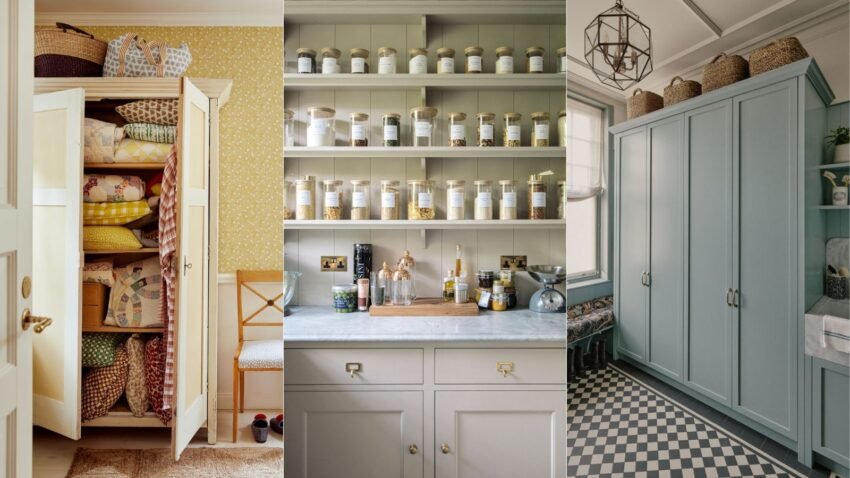
Well-designed storage should reduce clutter without adding visual noise. This guide outlines practical DIY storage solutions that balance function and clean design, from built-in shelving and under-bed drawers to wall-mounted systems and multi-use furniture. Backed by expert insights and real-world examples, it helps homeowners create organized, streamlined spaces without sacrificing aesthetics or overspending.
Storage is one of the most common pain points in American homes. According to the National Association of Home Builders, storage space consistently ranks among the top features buyers prioritize in new homes. At the same time, many existing homes—especially those built before 1990—lack sufficient closets, mudrooms, or integrated cabinetry.
The result? Cluttered countertops, overflowing closets, and garages that no longer fit cars.
The good news is that thoughtful DIY storage can improve both function and visual clarity. The key is to approach storage as part of your home’s design language—not an afterthought.
Below are practical, design-conscious DIY storage strategies that combine utility with clean lines.
What Makes Storage Feel “Clean” Instead of Cluttered?
Before choosing a project, it helps to understand why some storage looks organized while other solutions add visual chaos.
Clean design typically includes:
- Hidden or concealed storage
- Consistent materials and finishes
- Neutral or cohesive color palettes
- Straight lines and minimal hardware
- Vertical space utilization
Interior design research published by organizations such as the American Society of Interior Designers suggests that visual simplicity reduces cognitive overload. In practical terms, fewer visible items create a calmer environment.
When planning DIY storage, prioritize integration over addition. Storage should blend into architecture whenever possible.
Built-In Style Without the Built-In Price
Custom built-ins are expensive, but you can recreate the look with careful planning.
DIY Built-In Shelving Using Standard Bookcases
A popular strategy involves installing pre-made bookcases flush against a wall, securing them to studs, and adding trim for a seamless appearance.
Practical steps include:
- Measuring ceiling height precisely
- Using filler strips to close gaps
- Adding crown molding for continuity
- Painting shelves and wall the same color
For example, in a typical 12-foot living room wall, installing three 30-inch-wide bookcases can create a cohesive library wall for a fraction of custom cabinetry costs.
Design tip: Keep shelf styling restrained—books arranged vertically and horizontally, a few neutral decorative objects, and minimal color variation.
Floating Shelves That Don’t Look Temporary
Floating shelves are widely used, but poor installation or overloading can make them appear cluttered.
To achieve a clean look:
- Use thick wood (at least 1.5 inches)
- Anchor into studs or heavy-duty wall anchors
- Limit item density
- Maintain consistent spacing
In kitchens, floating shelves can replace upper cabinets in small sections, creating visual openness. However, limit them to frequently used items. Everyday dishes and glassware are practical; rarely used appliances are not.
The National Kitchen and Bath Association notes that open shelving works best when homeowners commit to disciplined organization.
Under-Bed Storage That Doesn’t Feel Like Dorm Living
How can you add bedroom storage without bulky furniture?
Under-bed storage is often overlooked or poorly executed. Clean design requires concealment and symmetry.
Effective approaches:
- Custom rolling drawers with matching drawer fronts
- Platform beds with built-in compartments
- Low-profile storage bins in neutral tones
Avoid mismatched plastic bins that are partially visible. The goal is integration, not improvisation.
In smaller urban homes, especially in cities like New York City, under-bed storage is frequently used to compensate for limited closet space. When designed thoughtfully, it appears intentional rather than temporary.
Entryway Storage That Reduces Visual Noise
Entryways often accumulate shoes, bags, and mail. Without structured storage, clutter spreads quickly.
Clean Entryway Storage Solutions
- Wall-mounted coat hooks aligned evenly
- Slim-profile shoe cabinets
- Bench seating with hidden compartments
- Wall-mounted mail organizers
The most effective mudroom-style setups combine vertical storage and concealed bins.
For example, a 48-inch wall-mounted cabinet with closed doors can hold seasonal accessories while keeping the space visually calm.
Use consistent finishes—matte black hardware or brushed nickel throughout—to unify the design.
Garage Storage That Still Allows You to Park
The garage is one of the most underutilized spaces in American homes. According to surveys cited by the International Association of Certified Home Inspectors, a significant percentage of homeowners cannot park in their garage due to stored items.
DIY garage organization should focus on wall systems and ceiling-mounted racks.
Practical Garage Upgrades
- Wall-mounted track systems
- Pegboards with uniform hooks
- Overhead storage racks for seasonal items
- Labeled clear bins
Paint walls in light neutral tones to brighten the space and make organization easier to maintain.
Keep floor space open whenever possible.
Closet Systems That Maximize Vertical Space
Standard closets often waste vertical height.
A DIY closet upgrade might include:
- Double hanging rods
- Adjustable shelving systems
- Integrated drawer units
- Uniform storage boxes
When every item has a designated zone, daily maintenance becomes easier.
Measure carefully before purchasing shelving kits. Even a two-inch miscalculation can create instability.
Multi-Use Furniture That Supports Clean Design
Storage can be hidden in plain sight.
Consider:
- Ottoman benches with lift-up tops
- Coffee tables with concealed compartments
- Dining benches with interior storage
- Media consoles with cable management
Cable management is particularly important in living rooms. Visible cords undermine clean design.
Using adhesive cable channels or drilled pass-throughs keeps electronics tidy.
How to Avoid the “Over-Storage” Trap
One common mistake is installing too many visible containers.
If every surface holds a basket or bin, the room can feel busier—not calmer.
Ask:
- Does this item need daily access?
- Can it be stored behind closed doors?
- Is the container visually consistent with the room?
A well-designed system often includes fewer containers than expected.
Budget Planning for DIY Storage
How much should DIY storage cost?
Costs vary, but modest projects often fall within these ranges:
- Floating shelves: $50–$200
- Closet kits: $200–$800
- Garage track systems: $150–$600
- Built-in bookcase conversion: $500–$1,500
Material choice significantly affects cost. MDF is affordable but less durable than solid wood or plywood.
Invest in hardware quality—hinges and drawer slides influence longevity.
Frequently Asked Questions
1. What’s the most affordable way to add storage to a small home?
Floating shelves and vertical wall systems are often the most cost-effective.
2. Do built-in shelves increase home value?
Well-designed built-ins can enhance appeal, especially in living rooms and offices.
3. How do I make storage look minimalist?
Use consistent colors, limit visible items, and conceal clutter behind doors.
4. Are open shelves practical for kitchens?
Yes, if limited to frequently used items and maintained regularly.
5. How can I organize a small entryway?
Wall-mounted cabinets and vertical hooks are space-efficient.
6. Is garage ceiling storage safe?
Yes, if anchored into joists and weight limits are respected.
7. Should storage bins match?
Matching bins create visual cohesion and reduce clutter perception.
8. How do I hide cords in a media console?
Use cable management boxes and adhesive channels.
9. What’s the best wood for DIY shelving?
Plywood offers durability and cost balance.
10. How do I prevent DIY shelves from sagging?
Anchor into studs and avoid excessive span width.
Designing Storage That Supports Daily Life
Storage is not about hiding belongings—it’s about supporting how you live.
A thoughtfully designed storage system reduces friction in daily routines. Shoes are easy to access but not scattered. Books are displayed without dominating the room. Tools are reachable but not in the way.
Function and aesthetics are not opposites. They reinforce each other.
When storage feels integrated rather than added on, your home feels calmer, more intentional, and easier to maintain.
The Quiet Power of Organized Space
A well-organized room rarely draws attention to itself. Instead, it creates breathing room—both visually and mentally.
By focusing on concealed storage, vertical space, cohesive materials, and practical layouts, you can transform cluttered areas into streamlined environments without major renovation.
Small changes, implemented carefully, often produce the most noticeable improvements.
Design storage not just to hold things—but to support the way you move through your home.
At-a-Glance Storage Principles
- Prioritize concealed over exposed storage
- Use vertical wall space
- Keep finishes consistent
- Limit visible containers
- Anchor shelves securely
- Plan measurements precisely
- Choose durable materials
- Avoid overcrowding surfaces