
Summary
Living sustainably doesn’t require radical lifestyle changes or personal sacrifice. This guide explains how Americans can make practical, responsible choices that support the environment while maintaining comfort, convenience, and financial stability—focusing on everyday decisions around home, food, transportation, consumption, and long-term well-being.
Sustainability as a Quality-of-Life Issue, Not a Sacrifice
For many Americans, sustainability still feels abstract—something discussed in policy debates or environmental documentaries rather than daily life. In reality, the most effective sustainability practices are practical, personal, and often cost-saving. Living responsibly doesn’t mean living less comfortably. It means aligning everyday choices with long-term health, financial stability, and environmental resilience.
Sustainability works best when it fits seamlessly into real life. The goal isn’t perfection or moral purity. It’s consistency—small, realistic decisions that add up over time. When sustainability is framed as a quality-of-life upgrade rather than a restriction, adoption becomes both easier and more durable.
Why Practical Sustainability Matters More Than Idealism
Idealized versions of sustainable living—off-grid homes, zero-waste lifestyles, or fully electric everything—can unintentionally discourage people who don’t have the time, money, or location to pursue them. Most Americans live in cities or suburbs, manage busy schedules, and work within existing infrastructure.
Practical sustainability acknowledges those realities. It prioritizes actions that are:
- Achievable without major lifestyle disruption
- Financially realistic for middle-income households
- Scalable across millions of people
- Supported by existing systems and technology
Research from the U.S. Energy Information Administration shows that incremental household efficiency improvements—like better insulation, efficient appliances, and reduced energy waste—collectively reduce emissions more than niche lifestyle extremes. Progress happens when solutions work for ordinary households.

Sustainable Living Starts at Home—Literally
Housing accounts for a significant portion of U.S. energy use. According to the Environmental Protection Agency, residential energy consumption represents roughly 20% of national greenhouse gas emissions. The good news is that homes also offer the most immediate opportunities for impact.
Energy efficiency often delivers fast returns. Switching to LED lighting, improving insulation, and sealing air leaks are among the most cost-effective sustainability measures available. Smart thermostats help households reduce heating and cooling costs without sacrificing comfort. Many families see noticeable savings within the first year.
Water use is another overlooked area. Low-flow fixtures, efficient washing machines, and drought-tolerant landscaping reduce strain on local water systems—especially important in Western states facing long-term water shortages.
Importantly, these changes don’t require lifestyle upheaval. They work quietly in the background, improving comfort while lowering bills.
Food Choices That Balance Health, Budget, and Impact
Food is one of the most personal—and misunderstood—areas of sustainability. While headlines often focus on extreme dietary shifts, real-world impact comes from moderation and awareness.
Reducing food waste is one of the most effective steps households can take. The U.S. Department of Agriculture estimates that 30–40% of the food supply is wasted annually. Planning meals, storing food properly, and using leftovers can significantly reduce both environmental impact and grocery costs.
Dietary balance matters more than strict rules. Incorporating more plant-forward meals—without eliminating animal products entirely—lowers emissions while supporting health. Many Americans already practice this informally through “meatless Mondays” or plant-based lunches.
Buying seasonal and regional produce supports local economies and reduces transportation emissions. Farmers markets, community-supported agriculture programs, and regional grocery sourcing make this increasingly accessible.

Transportation: Making Smarter Moves Without Reinventing Life
Transportation is the largest source of greenhouse gas emissions in the United States. Yet sustainable transportation doesn’t always mean giving up personal vehicles.
For many households, the most practical improvements include:
- Choosing fuel-efficient or hybrid vehicles when replacing a car
- Combining errands to reduce trips
- Using public transportation where available
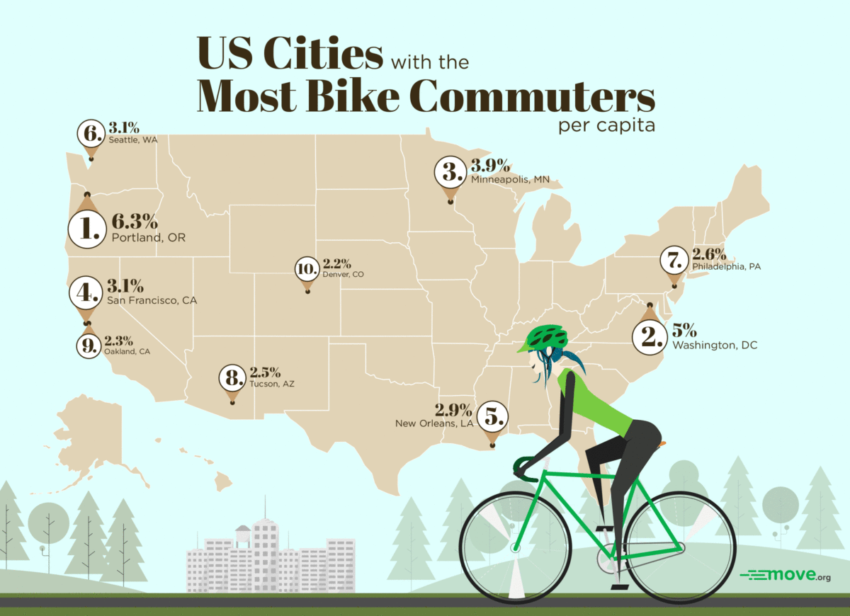
- Walking or biking for short, local trips
Electric vehicles are growing rapidly, but they aren’t the only solution. According to the Department of Energy, improving fuel efficiency across the existing vehicle fleet delivers immediate benefits. For commuters, even partial shifts—such as remote work one or two days per week—reduce emissions and improve work-life balance.
Sustainability here is about optimization, not elimination.
Conscious Consumption Without Minimalist Extremes
Modern sustainability increasingly focuses on consumption patterns rather than ownership itself. The question isn’t “Do you buy things?” but “How often, how long, and how intentionally?”
Durability matters. Purchasing fewer, higher-quality items reduces waste and often saves money over time. This applies to clothing, furniture, electronics, and household goods. Repairing rather than replacing extends product lifespans and supports local repair services.
Secondhand markets have expanded dramatically in the U.S., making resale and reuse mainstream rather than fringe. Thrift stores, online resale platforms, and local exchanges reduce demand for new production while offering affordable alternatives.
Importantly, conscious consumption respects real needs. It avoids moralizing convenience while encouraging thoughtful decision-making.
Sustainability and Financial Well-Being Are Closely Linked
One of the strongest arguments for practical sustainability is financial. Energy efficiency, reduced waste, and smarter consumption all support long-term household stability.
Government and utility incentives play a role. Federal tax credits for energy-efficient upgrades, state rebates for solar installations, and local efficiency programs reduce upfront costs. Over time, these investments protect households from rising energy prices and resource volatility.
Financial sustainability also includes resilience—being less vulnerable to supply disruptions, extreme weather, and rising living costs. Households that use resources efficiently tend to adapt more easily during economic or environmental stress.
Living responsibly, in this sense, is a form of future-proofing.
Community-Level Sustainability and Shared Benefits
While individual actions matter, sustainability scales best at the community level. Shared infrastructure—public transit, efficient buildings, local food systems—multiplies individual efforts.
Neighborhood initiatives like community gardens, tool libraries, and shared composting programs reduce costs while strengthening social ties. Schools, workplaces, and local governments increasingly integrate sustainability into planning, making responsible choices the default rather than the exception.
Studies from the National Renewable Energy Laboratory show that community-based energy projects improve participation rates and long-term outcomes. When sustainability feels collective rather than isolating, it becomes more durable.
Addressing Common Barriers Without Judgment
Many Americans hesitate to adopt sustainable practices due to cost concerns, lack of information, or fear of inconvenience. These barriers are real—and acknowledging them is essential.
Practical sustainability avoids judgment. It doesn’t demand immediate change or uniform behavior. Instead, it encourages gradual improvement based on personal circumstances. Progress looks different in a small apartment than in a suburban home, and both matter.
The most sustainable choice is often the one you can maintain over time.
Frequently Asked Questions
Is sustainable living expensive?
Not necessarily. Many sustainable choices—like reducing energy waste or buying durable goods—save money over time.
Do individual actions really make a difference?
Yes, especially when adopted at scale. Household efficiency improvements collectively have significant national impact.
Is it necessary to go fully zero-waste?
No. Reducing waste consistently is far more effective than aiming for perfection.
Can renters live sustainably?
Absolutely. Energy-efficient habits, reduced consumption, and transportation choices are accessible to renters.
Are plant-based diets required for sustainability?
No. Balanced, reduced-waste diets deliver meaningful benefits without strict rules.
How do I know which changes matter most?
Focus on energy use, transportation, and food waste—these areas have the highest impact.
Is sustainability mainly about climate change?
It also supports health, financial stability, and community resilience.
Does sustainable living reduce comfort?
When done practically, it often improves comfort and convenience.
How can families involve children?
Through everyday habits like recycling, gardening, and mindful consumption.
Living Responsibly Without Losing What Makes Life Enjoyable
Sustainability works best when it respects real lives. The most effective approaches don’t ask people to abandon comfort, culture, or convenience. They refine how those things are achieved. Living responsibly isn’t about doing everything differently—it’s about doing everyday things a little better, consistently, and with awareness of their broader impact.
What This Approach Makes Possible
- More predictable household expenses
- Healthier living environments
- Reduced stress around consumption
- Stronger local communities
- A lifestyle that supports both present comfort and future stability