

Summary
Eco-conscious living has shifted from niche to mainstream as Americans increasingly align daily habits with environmental values. Defined by mindful consumption, waste reduction, and energy-efficient choices, this lifestyle reflects growing demand for sustainability in homes, communities, and markets. Practical actions—like buying green products, reducing waste, and choosing lower-impact transport—offer tangible personal and societal benefits.
In the past decade, “eco-conscious living” has gained traction from fringe sustainability conversations to a recognizable driver of everyday decisions in the United States. At its core, the concept describes a lifestyle that aligns personal choices with ecological limits and social responsibility, aiming to reduce environmental harm while improving quality of life.
This shift reflects a deeper cultural evolution. Increasingly, Americans aren’t just recycling or buying reusable bags; they’re thinking strategically about energy use, food systems, transportation, and consumption habits. Surveys show that nearly half of U.S. consumers reported buying an environmentally friendly product in the past month, and strong unmet demand persists due to price and availability gaps.
For many, this trend isn’t about perfection—it’s about incremental progress that fits into real lives, addresses real constraints, and reinforces a sense of purpose and agency.
What Is Eco-Conscious Living?
At its foundation, eco-conscious living involves decisions that minimize environmental harm and promote sustainability. This includes reducing carbon footprints, conserving natural resources, and considering social impacts alongside ecological ones. Rather than being a rigid doctrine, it’s a spectrum of choices individuals make in daily routines, from what they eat to how they travel.
Examples of eco-conscious practices include:
- Choosing products made from recycled or sustainable materials
- Reducing single-use plastics
- Conserving energy in the home
- Supporting local food systems
- Reducing reliance on fossil-fuel–based transportation
Why It Matters: Personal and Societal Benefits
Beyond environmental impact, eco-conscious living offers tangible benefits for individuals and communities.
Personal Benefits
- Cost Savings Over Time
Energy-efficient appliances, reduced energy use, and mindful consumption often translate into lower utility bills and less frequent replacement costs—turning sustainability into savings. - Improved Health and Well-Being
Eco-friendly choices can reduce exposure to harmful chemicals found in conventional products, improve air quality indoors, and encourage healthier lifestyles such as walking or cycling. - Psychological Satisfaction
Many people report reduced eco-anxiety and a greater sense of purpose when they align everyday choices with broader environmental goals.
Community and Societal Impact
- Cleaner Local Environments
Reduced waste and better resource management translate into less pollution, helping communities enjoy cleaner air and water. - Innovation and Market Growth
Consumer demand for sustainable products incentivizes companies to innovate, making eco-friendly options more accessible and creating jobs in green sectors. - Role Modeling and Collective Change
Individual habits can influence social norms. When community members adopt sustainable behaviors, it often inspires neighbors to follow.

Daily Life: What Eco-Conscious Living Looks Like
Eco-conscious living isn’t a lifestyle reserved for activists or specialists—it’s accessible and adaptable.
At Home
- Energy Efficiency: Upgrading to LED lighting, proper insulation, and smart thermostats reduces energy consumption.
- Water Conservation: Low-flow fixtures, mindful use, and leak fixes can lower utility demand.
- Green Cleaning Products: Choosing biodegradable, non-toxic products reduces harmful chemical runoff.
In the Kitchen
- Food Choices: Eating more plant-based meals and reducing meat consumption lowers ecological footprints. Plant-based diets, for example, are widely recognized as having lower greenhouse gas emissions compared with diets heavy in animal products.
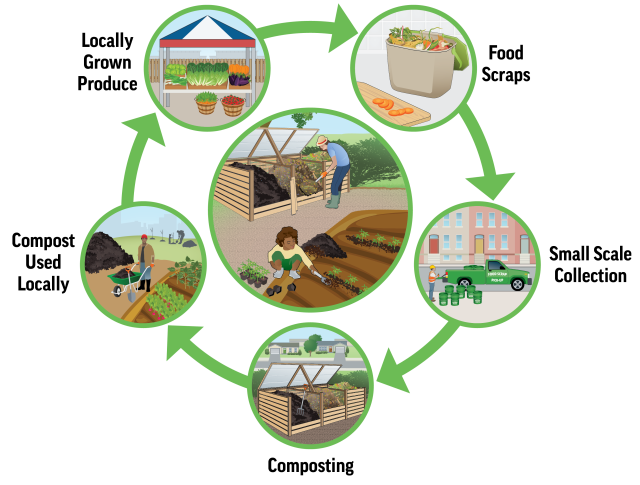
- Minimizing Waste: Planning meals and composting food scraps cuts waste and saves money.
Mobility and Transportation
- Alternative Transportation: Walking, cycling, carpooling, or using electric vehicles when feasible reduces individual transportation emissions—one of the largest contributors to U.S. greenhouse gases.
- Public Transit and E-Bikes: Cities like Portland emphasize bike-friendly infrastructure and sustainable transit options that make eco-friendly travel practical.
Beyond Basics: Integrating Conscious Choices Into Routines
Many people start with simple changes—reducing waste or buying greener products—but eco-conscious living can extend into broader lifestyle decisions:
- Minimalism: Buying less and valuing durability over disposability reduces resource consumption.
- Community Engagement: Participating in local clean-ups, community gardens, or advocacy efforts reinforces sustainability beyond the household.
- Education: Staying informed about environmental impacts strengthens decision-making and combats misconceptions like those that arise around greenwashing.
Challenges and Misconceptions
Eco-conscious living isn’t without its hurdles. Some Americans feel overwhelmed by perceived complexity or expense, and many report uncertainty about which choices truly make a difference. There’s also a notable gap between intent and action: while many express a desire to adopt sustainable habits, real-world constraints like cost or availability often impede follow-through.
Clear guidance, accessible products, and accurate labeling can help bridge this gap, making eco-conscious choices easier for everyday life.

FAQs: Everyday Questions About Eco-Conscious Living
1. What’s the difference between sustainable living and eco-conscious living?
Both concepts overlap, but eco-conscious living emphasizes intentional choices that minimize environmental harm and consider social equity alongside ecological goals.
2. How do I start living more eco-consciously without major lifestyle changes?
Begin with small, actionable steps like reducing waste, buying energy-efficient products, and conserving water—progress, not perfection, matters.
3. Are eco-friendly products more expensive?
Upfront costs can be higher, but long-term savings often offset the initial investment through reduced energy use and longer product lifespan.
4. Can eco-conscious living really make a difference?
Yes. Collective individual actions can influence markets, reduce community waste, and support broader environmental progress.
5. What are some practical sustainable habits at work?
Using reusable containers, reducing paper use, and supporting remote or hybrid work options can reduce environmental impact.
6. How does transportation affect sustainability?
Transportation accounts for a significant portion of U.S. greenhouse gas emissions; choosing lower-impact modes helps reduce this footprint.
7. Is eco-conscious living only for committed environmentalists?
No. It’s a flexible approach that anyone can tailor to their personal values, budget, and lifestyle.
8. How can families adopt sustainable habits together?
Start by incorporating simple routines like recycling, meal planning, or walking to nearby activities.
9. Does living eco-consciously improve community quality of life?
Yes. Reduced pollution, healthier local environments, and stronger social norms around sustainability benefit communities.
10. How can I avoid greenwashing when choosing products?
Look for trusted certifications and transparent labeling that explain environmental impacts accurately.
Where Daily Life Meets Broader Impact
Eco-conscious living isn’t a fad—it’s a practical framework for aligning everyday decisions with long-term ecological health and personal well-being. As awareness deepens and infrastructure evolves, more Americans find ways to integrate sustainable choices into routines without sacrificing convenience or comfort.
Summary of Core Actions for Sustainable Habit Integration
- Prioritize energy and water efficiency at home
- Choose plant-rich diets and reduce food waste
- Use lower-impact transportation options
- Support transparent, sustainable brands
- Engage in community sustainability efforts