

Summary
Cultural experiences are increasingly shaping how Americans live, connect, and find meaning—far beyond vacations or travel checklists. This article explores how culture-driven choices influence daily routines, community engagement, and personal identity, offering practical examples, research-backed insights, and actionable ways to integrate cultural awareness into everyday life.
Introduction: From Occasional Trips to Everyday Choices
For decades, cultural experiences were framed largely as travel activities—museums abroad, food tours, historic landmarks, or festivals encountered on vacation. Today, that framing feels incomplete. Across the United States, culture is no longer something people “visit.” It’s something they build into their lifestyle.
Whether it’s learning regional cooking traditions, participating in local arts communities, or intentionally supporting cultural institutions, Americans are redefining how culture fits into modern life. This shift reflects broader changes in values: a desire for connection over consumption, meaning over material accumulation, and depth over novelty.
Cultural experiences are increasingly about how people live, not where they go.
Why Cultural Experiences Are No Longer Just About Travel
Travel remains one avenue for cultural exposure, but it’s no longer the primary one. Several factors explain this change.
Remote work has untethered many Americans from fixed schedules, allowing deeper engagement with local communities. At the same time, rising travel costs and environmental awareness have encouraged people to look closer to home. Cultural experiences now happen at farmers’ markets, neighborhood theaters, language exchanges, community kitchens, and public libraries.
According to a 2023 Pew Research Center survey, over 60% of Americans say they value “learning about different cultures” as part of personal growth, even when it doesn’t involve travel. This suggests culture is increasingly viewed as an ongoing practice rather than a one-time event.
The modern cultural lifestyle emphasizes continuity. Instead of consuming culture occasionally, people are weaving it into daily life.
What It Means to Treat Culture as a Lifestyle Choice
A lifestyle choice shapes routines, priorities, and identity over time. When culture becomes part of lifestyle, it influences how people spend weekends, choose entertainment, educate their children, and even build social circles.
This approach often includes:
- Regular participation in cultural activities rather than sporadic attendance
- Long-term learning, such as language study or craft skills
- Active contribution, not just observation
- Relationship-building across cultural backgrounds
Unlike tourism-based experiences, lifestyle-driven cultural engagement prioritizes depth. It values understanding the “why” behind traditions, not just the surface aesthetics.
For example, attending a local powwow annually, volunteering at a cultural center, or cooking regional dishes at home each week creates a rhythm that shapes identity in subtle but lasting ways.
Cultural Engagement and the American Search for Meaning
Many Americans are rethinking success and fulfillment. Surveys from Gallup consistently show that younger generations, in particular, prioritize purpose and belonging alongside financial stability. Cultural experiences often meet these needs in ways traditional consumer activities do not.
Culture offers:
- Shared narratives that foster belonging
- Creative outlets that support mental well-being
- Intergenerational connections
- Opportunities to slow down and reflect
Engaging with culture also builds empathy. Research published in the Journal of Personality and Social Psychology indicates that exposure to diverse cultural practices increases cognitive flexibility and reduces implicit bias. These benefits accumulate over time, reinforcing the idea that culture works best as a sustained practice.
How Cultural Experiences Show Up in Everyday American Life
Cultural living doesn’t require dramatic changes or specialized knowledge. For many, it emerges organically through everyday decisions.
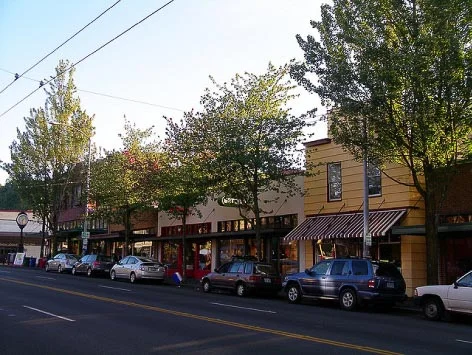
A family in Chicago may make a habit of attending free neighborhood concerts representing different musical traditions. A professional in Seattle might join a community ceramics studio rooted in Japanese techniques. Retirees in New Mexico may volunteer as docents for local history programs, preserving regional stories.
Common entry points include:
- Public libraries hosting cultural lectures
- Community colleges offering language or art classes
- Local theaters and independent cinemas
- Food cooperatives focused on heritage ingredients
These experiences don’t require passports. They require curiosity and consistency.
Culture at Home: Food, Rituals, and Personal Practice
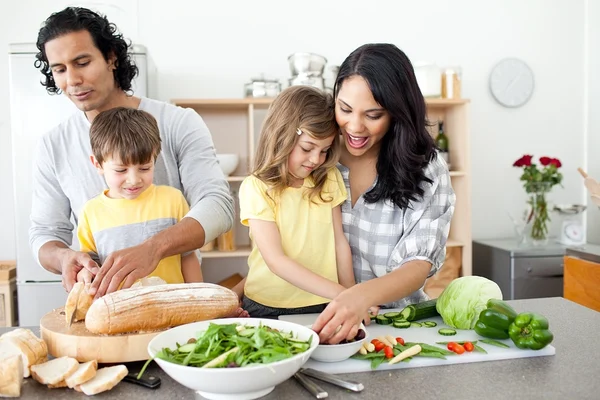
One of the most powerful shifts has been the move toward home-based cultural engagement. Cooking, music, and storytelling are increasingly used as tools for cultural connection.
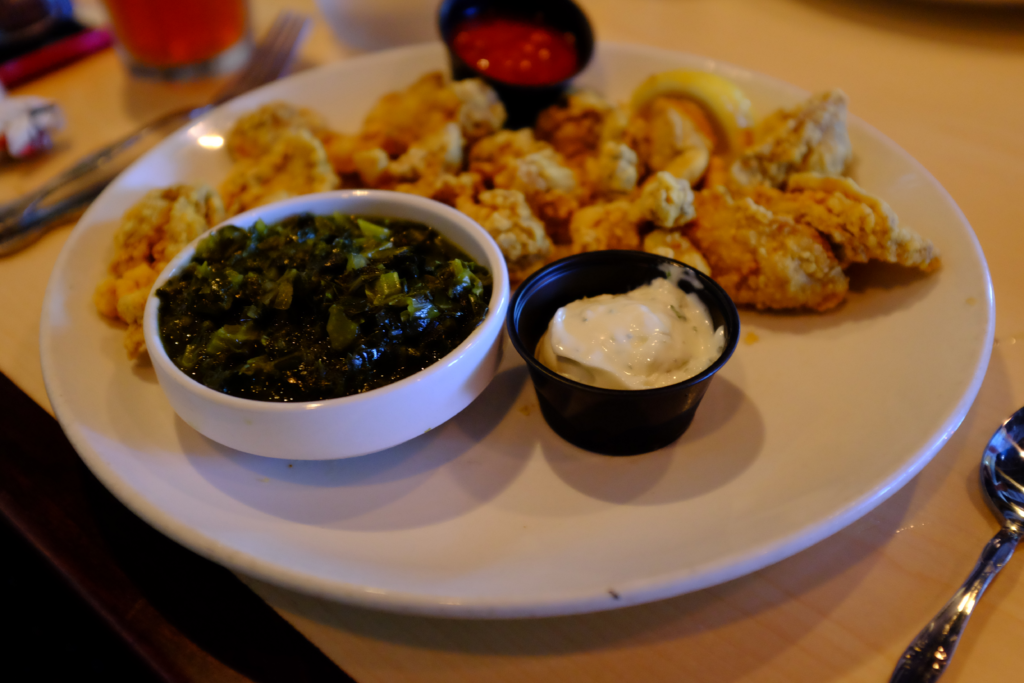
Food, in particular, plays a central role. According to the National Endowment for the Arts, culinary traditions are among the most accessible forms of cultural participation in the U.S. Preparing dishes tied to family heritage or learning recipes from other cultures creates tangible, repeatable experiences.
Other at-home practices include:
- Celebrating cultural holidays respectfully
- Reading literature from diverse voices
- Incorporating music or art traditions into daily routines
These practices allow culture to become personal rather than performative.
The Role of Community in Sustained Cultural Living
Culture thrives in community. While digital platforms can introduce ideas, long-term engagement depends on real-world relationships.
Across the U.S., cultural nonprofits, grassroots organizations, and informal groups provide spaces for shared learning. Community choirs, heritage dance groups, language meetups, and neighborhood storytelling events are growing steadily, according to data from Americans for the Arts.
Participation in these spaces often leads to:
- Stronger social ties
- Increased civic engagement
- Greater appreciation for local history
Importantly, community-based cultural experiences emphasize reciprocity. Participants are not just consumers; they contribute time, skills, and care.
Cultural Experiences Across Life Stages
Cultural engagement evolves with age and circumstance. What it looks like for a college student differs from what it means for a parent or retiree.
Younger adults often seek identity exploration through music, fashion, and global influences. Families may focus on cultural education, exposing children to traditions and histories beyond textbooks. Older adults often engage in preservation—oral histories, crafts, or mentorship.
Because culture adapts to life stages, it remains relevant over time. This adaptability is one reason it functions so effectively as a lifestyle choice.
Addressing Common Questions Americans Ask About Cultural Living
Many people are interested in cultural engagement but unsure where to begin or how to approach it respectfully. These questions are increasingly common in search data and community discussions.
People often wonder whether they need formal education, whether cultural participation risks appropriation, or how to balance curiosity with respect. The answer usually lies in intention, humility, and long-term commitment.
Culture as a lifestyle is less about mastery and more about participation.
Frequently Asked Questions
Is cultural engagement the same as cultural appropriation?
No. Engagement emphasizes learning, respect, and relationship-building, often guided by community voices.
Can cultural experiences really happen without travel?
Yes. Many authentic experiences exist within local communities across the U.S.
How much time does cultural living require?
It scales. Even small, regular practices can have meaningful impact.
Is this approach only for creatives or academics?
Not at all. Cultural engagement fits all professions and backgrounds.
How do I find cultural activities in my area?
Start with libraries, community centers, and local arts organizations.
Are cultural experiences expensive?
Many are free or low-cost, especially those supported by public institutions.
Can families participate together?
Yes. Cultural living is often intergenerational and family-friendly.
Does cultural engagement improve well-being?
Research suggests it supports mental health, empathy, and social connection.
How do I avoid being performative?
Focus on long-term participation rather than one-off experiences.
A Lifestyle Built on Curiosity, Not Consumption
Choosing culture as a lifestyle is a quiet but powerful shift. It replaces accumulation with understanding and replaces novelty with depth. In a society often driven by speed and scale, cultural living offers an alternative rhythm—one grounded in place, people, and shared meaning.
This approach doesn’t require dramatic reinvention. It begins with paying closer attention to the stories, traditions, and creative expressions already present in everyday life.
What This Shift Looks Like in Practice
- Culture becomes routine, not occasional
- Learning replaces checklist-style experiences
- Community matters more than spectacle
- Meaning grows through consistency