
Summary
Consistency is rarely about motivation alone—it’s built through systems, tools, and habits professionals rely on daily. This article examines the practical tools used across industries to maintain consistent performance, from task management and documentation to feedback loops and accountability systems. The focus is on real-world application, not trends, helping professionals sustain quality, reliability, and output over time.
Consistency is one of the most misunderstood success factors in professional life. It’s often framed as a personality trait—something you either have or don’t. In reality, consistency is usually the result of intentional systems. Professionals who perform reliably over long periods don’t rely on willpower or inspiration. They rely on tools that reduce friction, standardize decisions, and make progress measurable.
Across industries—from marketing and healthcare to engineering and education—consistent performers share a common approach: they externalize discipline. Instead of keeping everything in their heads, they use tools to structure work, capture decisions, track progress, and review outcomes. This article takes a grounded, experience-based look at the tools professionals actually use to stay consistent, why those tools work, and how they fit into daily workflows.
Why Consistency Is a Systems Problem, Not a Motivation Problem
Most professionals don’t struggle with knowing what to do. They struggle with doing it the same way, at the same level, day after day. Research consistently shows that cognitive load and decision fatigue erode performance over time. A frequently cited finding from American Psychological Association notes that decision fatigue reduces self-control and follow-through as the day progresses.
Professionals who remain consistent design systems that minimize unnecessary decisions. Tools play a central role here. They act as external memory, quality control, and accountability mechanisms. Instead of asking, “What should I do today?” the system already has an answer.
Consistency, then, becomes less about personal discipline and more about environmental design.
Planning and Task Management Tools That Reduce Variability
At the foundation of consistent performance is reliable planning. Professionals who manage complex workloads use task management tools not to be busy, but to be predictable. The most effective systems emphasize clarity, prioritization, and visibility.
Rather than long to-do lists, high-performing professionals tend to break work into defined tasks with clear completion criteria. This reduces ambiguity, which is a major source of inconsistency. When a task is clearly defined, it’s easier to execute the same way each time.
Common characteristics of effective planning systems include:
- Clear task definitions with explicit outcomes
- Priority levels tied to business or personal goals
- Daily and weekly review cycles
- Limited active tasks to reduce context switching
According to productivity research cited by McKinsey & Company, knowledge workers spend up to 20% of their time searching for information or clarifying what to do next. Task management tools that centralize work dramatically reduce this friction, making consistent execution far more likely.
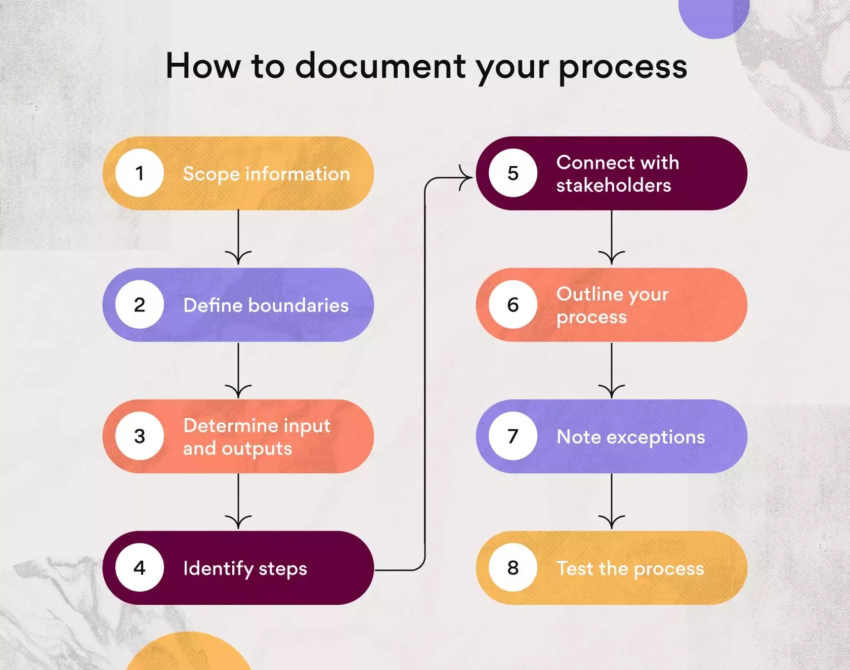
Documentation and Standard Operating Procedures (SOPs)
Consistency breaks down when processes live only in people’s heads. Professionals who maintain quality over time rely heavily on documentation—not just for teams, but for themselves.
Standard operating procedures serve as reference points that eliminate guesswork. They’re especially common in regulated industries, but they’re equally valuable for creative and knowledge work. A well-written SOP doesn’t stifle creativity; it creates a reliable baseline from which creativity can safely occur.
In practice, professionals use documentation to:
- Capture best practices after successful projects
- Standardize recurring tasks such as reporting, onboarding, or reviews
- Reduce rework caused by forgotten steps
- Train new team members without inconsistency
Importantly, the most effective documentation is lightweight and accessible. Long manuals rarely get used. Short checklists, decision trees, and templates are far more likely to be consulted in real-world conditions.

Time-Blocking and Calendar Systems as Consistency Anchors
Calendars are one of the most underappreciated consistency tools. High performers don’t just schedule meetings—they schedule work. Time-blocking turns intentions into commitments and protects important tasks from being crowded out by urgent but low-value activities.
By assigning recurring blocks for specific types of work, professionals reduce the need to renegotiate priorities every day. For example, a manager might block the first hour of each morning for planning and email triage, ensuring a consistent start regardless of external demands.
Time-based systems support consistency by:
- Creating predictable work rhythms
- Reducing last-minute decision-making
- Ensuring important work receives regular attention
- Aligning energy levels with task difficulty
A Gallup workplace study has shown that employees with structured workdays report higher engagement and lower burnout, largely because predictability reduces stress and cognitive overload.
Measurement, Tracking, and Feedback Tools
What gets measured tends to get managed more consistently. Professionals who sustain performance over time use tracking tools to create feedback loops. These tools don’t need to be complex. In many cases, simple dashboards or weekly metrics are enough to reveal patterns.
Tracking serves two purposes. First, it provides objective evidence of progress or decline. Second, it removes emotional bias from self-assessment. When professionals can see their output over time, they’re less likely to overreact to a bad day or become complacent after a good one.
Effective tracking systems often focus on:
- Output metrics (deliverables completed, deadlines met)
- Quality indicators (error rates, revisions required)
- Process adherence (steps followed, reviews completed)
- Personal performance markers (focus time, recovery time)
In performance-driven fields, feedback tools also include peer reviews, client surveys, or supervisor check-ins. These external perspectives help professionals recalibrate before inconsistency becomes a habit.
Communication and Alignment Tools in Team Environments
Consistency becomes more challenging in collaborative settings. Miscommunication introduces variability, delays, and rework. Professionals in team-based roles rely on structured communication tools to maintain alignment.
Rather than constant meetings, high-functioning teams use shared workspaces, written updates, and documented decisions. This ensures that expectations remain stable even as personnel or priorities shift.
Alignment tools support consistency by:
- Making responsibilities explicit
- Preserving institutional knowledge
- Reducing reliance on memory or verbal agreements
- Providing a single source of truth
In distributed and hybrid workplaces, these tools are especially critical. Without them, consistency depends too heavily on individual interpretation.
Habit-Building and Behavioral Reinforcement Tools
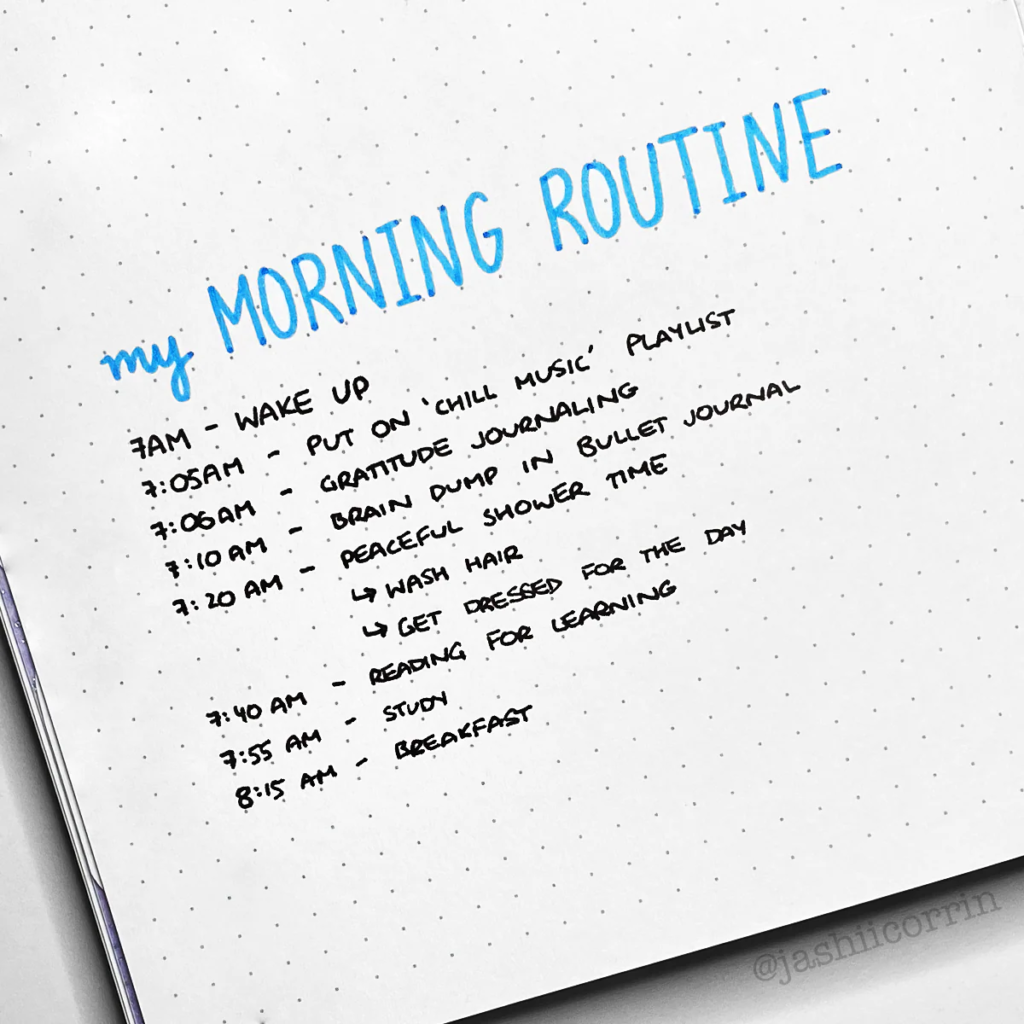
Beyond formal systems, many professionals use habit-building tools to reinforce consistent behavior. These tools focus less on tasks and more on routines—sleep, exercise, learning, and reflection—that support sustained performance.
Behavioral research shows that small, repeated actions compound over time. Tools that make habits visible and track streaks tap into this principle without requiring constant motivation.
Professionals often use habit tools to:
- Maintain daily planning or review rituals
- Protect recovery and downtime
- Reinforce learning or skill development
- Monitor workload balance
The key is integration. Habit tools that sit outside the main workflow are often abandoned. Those connected to existing systems—like calendars or task managers—are far more effective.
Real-World Example: Consistency in a High-Pressure Role
Consider a senior operations manager responsible for weekly reporting, team oversight, and crisis response. Early in their career, performance varied widely depending on workload. Over time, they introduced a simple system: standardized report templates, fixed reporting deadlines, documented escalation procedures, and a weekly review checklist.
The result wasn’t just efficiency. It was predictability. Stakeholders knew what to expect. The manager reduced stress and errors, not by working harder, but by relying more on tools than memory. This pattern is common across professions where consistency matters most.
How Professionals Choose the Right Tools
Not every tool improves consistency. In fact, tool overload can create chaos. Experienced professionals are selective. They choose tools that integrate well, require minimal maintenance, and align with their actual workflow.
When evaluating tools, professionals often ask:
- Does this reduce decision-making or add to it?
- Can it be maintained during busy periods?
- Does it replace an existing habit or support it?
- Will it still be useful six months from now?
Consistency improves when tools fade into the background and quietly support daily execution.

Frequently Asked Questions
What tools help professionals stay consistent at work?
Task managers, calendars, documentation systems, tracking dashboards, and communication platforms are among the most effective.
Is consistency more about habits or tools?
Tools support habits. Without systems, habits rely too heavily on motivation.
How do tools reduce burnout?
They reduce cognitive load, clarify priorities, and create predictable routines.
Do creative professionals use consistency tools?
Yes. Many use templates, schedules, and review processes to protect creative energy.
How many tools is too many?
If tools require more maintenance than the work itself, there are too many.
Can consistency tools work for freelancers?
Absolutely. Freelancers often rely on them even more due to lack of external structure.
What’s the biggest mistake people make with productivity tools?
Using them as aspirational systems instead of reflecting real behavior.
Are digital tools always better than analog ones?
No. Many professionals successfully combine digital systems with paper checklists or notebooks.
How long does it take to see results from consistency tools?
Most professionals notice reduced friction within weeks, with compounding benefits over months.
When Consistency Becomes a Competitive Advantage
Over time, consistency compounds. Reliable output builds trust, reduces stress, and improves decision-making. Professionals who invest in the right tools aren’t chasing productivity trends—they’re building durable systems that support long-term performance. In a world of constant change, consistency isn’t rigidity. It’s resilience.
Key Signals of Sustainable Consistency
- Reduced rework and fewer last-minute emergencies
- Predictable delivery without constant oversight
- Stable performance across high- and low-pressure periods
- Tools that support work quietly, without constant adjustment