
Summary
Your skin barrier plays a central role in hydration, protection, and long-term skin health. This article explains how the skin barrier works, what weakens or strengthens it, and how everyday skincare and lifestyle choices affect it. You’ll learn evidence-based strategies to support your barrier without overcomplicating your routine.
Understanding the Skin Barrier: What It Is and Why It Matters
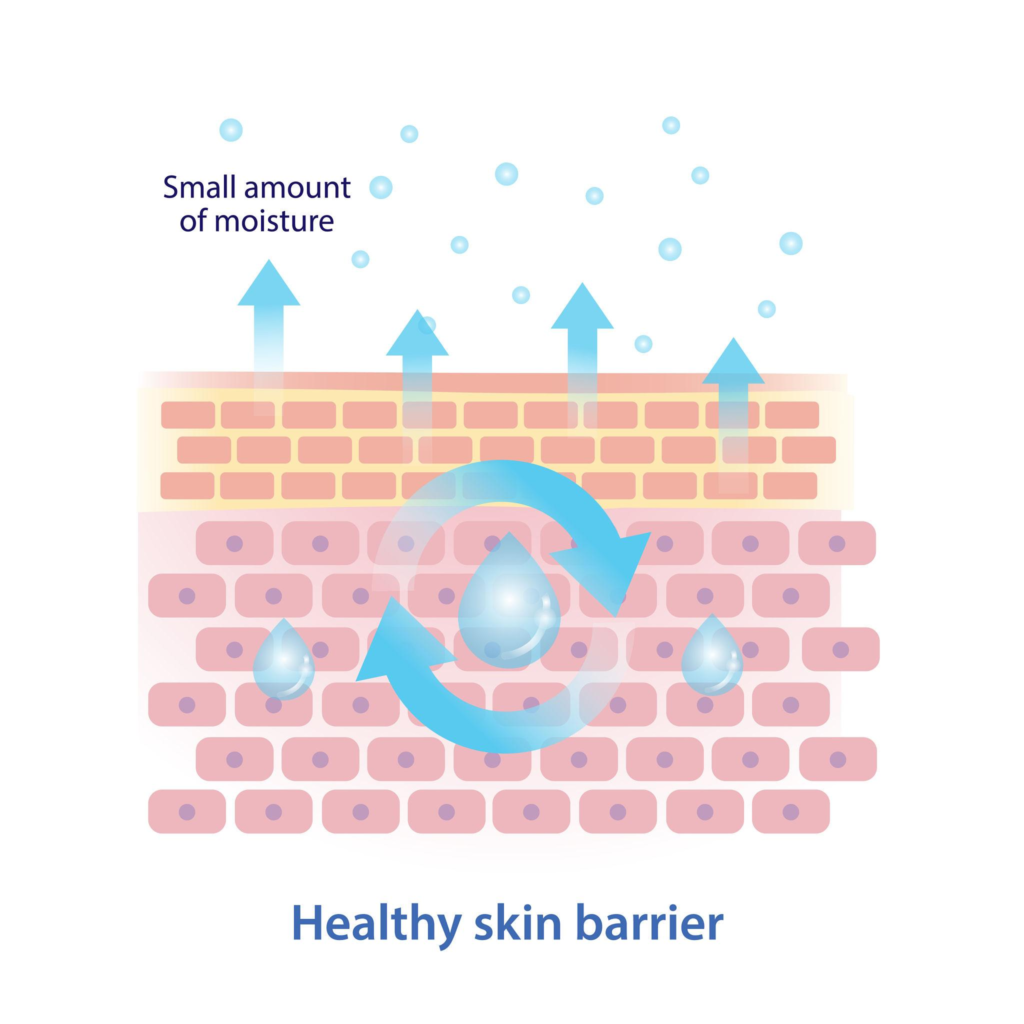
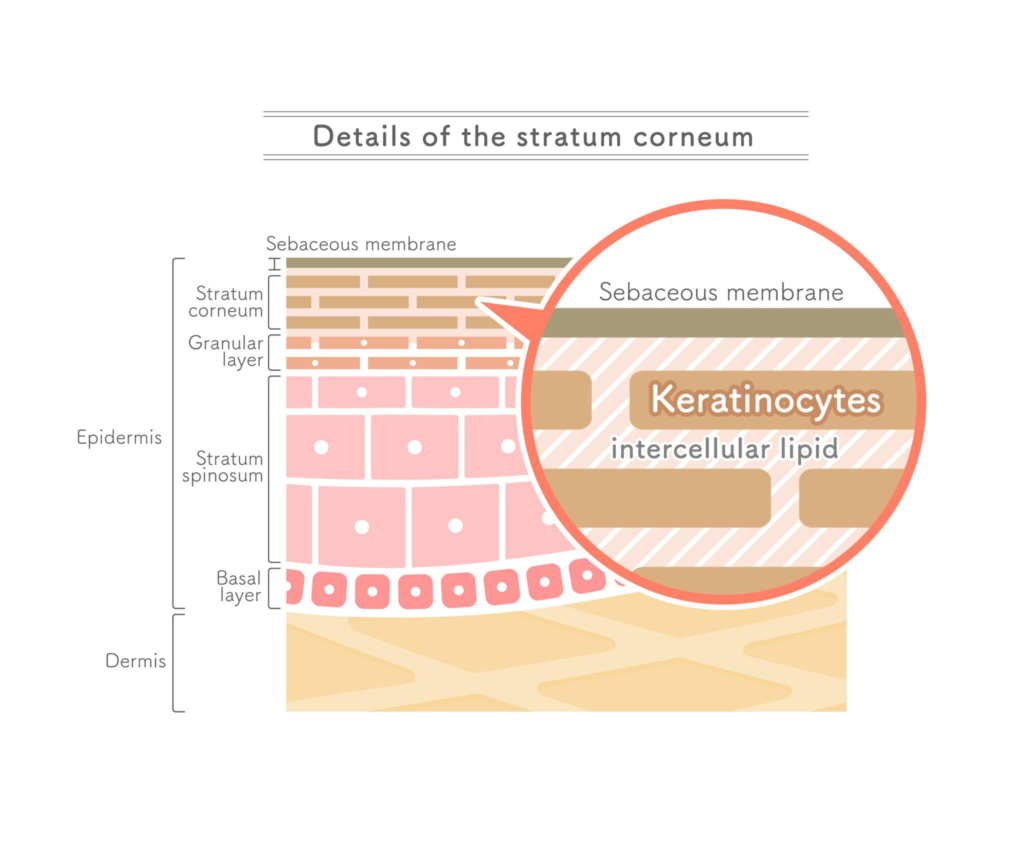
The skin barrier—technically known as the stratum corneum—is the outermost layer of your skin. It acts as a selective shield, keeping essential moisture in while protecting against irritants, allergens, pollutants, and microbes. When functioning well, the barrier maintains smooth texture, even tone, and resilience. When compromised, skin becomes dry, sensitive, inflamed, or acne-prone.
Dermatologists often describe the barrier using a “brick and mortar” analogy. Skin cells (the bricks) are held together by lipids such as ceramides, cholesterol, and fatty acids (the mortar). This structure is remarkably efficient—but also vulnerable to daily stressors like over-cleansing, harsh weather, and aggressive skincare habits.
In recent years, growing awareness of barrier health has shifted how professionals think about skincare. Instead of focusing only on active ingredients or quick results, many now emphasize long-term barrier support as the foundation of healthy skin.
How the Skin Barrier Actually Works
The skin barrier regulates transepidermal water loss (TEWL)—the amount of moisture that evaporates from the skin. When TEWL increases, skin feels tight, flaky, or irritated. Research published in the Journal of Investigative Dermatology shows that even subtle barrier disruption can increase inflammation and sensitivity, sometimes before visible symptoms appear.
A healthy barrier performs several key functions simultaneously:
- Retains moisture to keep skin flexible
- Prevents irritants and bacteria from penetrating deeper layers
- Supports the skin’s natural microbiome
- Helps regulate inflammation and immune response
These processes happen continuously and silently. You usually don’t notice your skin barrier—until something disrupts it.
Everyday Habits That Weaken the Skin Barrier
Many Americans unintentionally compromise their skin barrier through routine behaviors that seem harmless or even “clean.”
Over-cleansing is one of the most common issues. Washing too often, using hot water, or choosing foaming cleansers with strong surfactants can strip natural lipids. According to the American Academy of Dermatology, cleansing more than twice daily or using alcohol-heavy products increases dryness and irritation, especially for sensitive or mature skin.
Environmental factors also play a role. Cold winters in the Northeast, dry indoor heating, intense sun exposure in the Southwest, and air pollution in urban centers all increase oxidative stress on the skin.
Other common contributors include:
- Frequent exfoliation with acids or scrubs
- Using multiple active ingredients at once without recovery time
- Skipping moisturizer on oily or acne-prone skin
- Chronic stress and poor sleep habits
These factors don’t always cause immediate problems. Often, damage accumulates gradually until redness, breakouts, or sensitivity suddenly appear.
Signs Your Skin Barrier May Be Compromised
Barrier damage doesn’t look the same for everyone. For some, it shows up as dryness or flaking. For others, it appears as stinging, burning, or unexplained breakouts.
Common signs include:
- Persistent redness or irritation
- Products that suddenly sting or burn
- Increased breakouts despite consistent routines
- Rough texture or dull appearance
- Makeup sitting unevenly on the skin
Importantly, these symptoms can occur even if you’re using high-quality products. Barrier health depends as much on how you use products as what you use.
The Role of Ingredients in Supporting Barrier Health
Certain ingredients are particularly effective at reinforcing the skin barrier because they mimic or replenish what the skin naturally produces.
Ceramides are among the most studied. Clinical data shows that ceramide-containing moisturizers improve barrier recovery and reduce TEWL, especially in people with eczema or sensitive skin. Niacinamide (vitamin B3) also supports barrier repair by increasing ceramide synthesis while calming inflammation.
Other supportive ingredients include glycerin, hyaluronic acid, cholesterol, and squalane. These don’t “fix” the barrier overnight, but they help create conditions that allow the skin to repair itself.
On the other hand, ingredients like retinoids, exfoliating acids, and benzoyl peroxide can temporarily weaken the barrier—especially when introduced too quickly. This doesn’t mean they’re harmful, but they require thoughtful use and adequate moisturizing support.
How Lifestyle Choices Influence Barrier Function
Skincare doesn’t exist in isolation. Your skin barrier responds to what happens inside your body as much as what you apply topically.
Sleep deprivation increases cortisol levels, which can impair lipid production in the skin. A study in Clinical and Experimental Dermatology found that poor sleepers had slower barrier recovery after irritation compared to those who slept well.
Diet also matters. Essential fatty acids, particularly omega-3s found in fish and nuts, support cell membrane integrity. Dehydration, excessive alcohol intake, and highly processed diets may increase inflammation and slow barrier repair.
Stress management is another overlooked factor. Chronic stress affects immune signaling in the skin, making it more reactive. Many dermatologists now consider stress reduction—through exercise, mindfulness, or consistent routines—a legitimate component of skin health.
Building a Barrier-Friendly Skincare Routine
Supporting your skin barrier doesn’t require a complicated regimen. In fact, simplicity often works better.
A barrier-friendly routine typically focuses on consistency, gentle formulas, and recovery time. For most people, this means cleansing, moisturizing, and protecting with sunscreen during the day.
Helpful principles include:
- Use lukewarm water and gentle cleansers
- Moisturize while skin is slightly damp
- Introduce active ingredients slowly
- Allow rest days without exfoliation or treatment products
- Adjust routines seasonally based on climate
This approach aligns with how skin naturally functions—repairing itself when given stable conditions.
Common Myths About Skin Barriers
One widespread myth is that oily or acne-prone skin doesn’t need barrier care. In reality, over-drying acne-prone skin often worsens breakouts by triggering excess oil production and inflammation.
Another misconception is that tingling or redness means a product is “working.” While some actives cause mild sensations, persistent discomfort usually signals irritation, not effectiveness.
Finally, many people assume that more products equal better results. Research consistently shows that overloading the skin increases the risk of barrier disruption without improving outcomes.

Frequently Asked Questions
What exactly damages the skin barrier the most?
Over-cleansing, excessive exfoliation, harsh ingredients, and environmental stress are the most common causes.
Can a damaged skin barrier repair itself?
Yes. With gentle care and time, the skin barrier can usually restore itself within weeks.
Is barrier damage the same as sensitive skin?
Not always. Barrier damage can cause sensitivity, even in people without naturally sensitive skin.
How long does barrier repair take?
Mild damage may improve in days; more significant disruption can take several weeks.
Do I need special products for barrier repair?
Not necessarily—look for simple, fragrance-free formulas with barrier-supporting ingredients.
Can sunscreen affect the skin barrier?
Most modern sunscreens support barrier health by preventing UV-induced damage.
Should I stop actives if my barrier is damaged?
Temporarily reducing or pausing actives often helps speed recovery.
Does age affect the skin barrier?
Yes. Lipid production decreases with age, making barrier support increasingly important.
Is “skin cycling” helpful for the barrier?
It can be, if it includes adequate recovery days and moisturizing steps.
Why Barrier Awareness Is Reshaping Modern Skincare
The growing focus on skin barrier science reflects a broader shift toward prevention rather than correction. Instead of chasing quick fixes, many Americans are learning to work with their skin’s biology.
This mindset encourages patience, informed choices, and realistic expectations. When the barrier is healthy, many common skin concerns—from dryness to breakouts—become easier to manage without aggressive intervention.
A Smarter Way to Think About Everyday Skincare
Understanding your skin barrier reframes skincare as daily maintenance rather than constant problem-solving. Small, consistent decisions—how you cleanse, moisturize, rest, and protect—add up over time. When you prioritize barrier health, you’re not just caring for how your skin looks today, but how it functions for years to come.
Key Concepts to Carry Forward
- The skin barrier is foundational, not optional
- Gentle, consistent care outperforms aggressive routines
- Lifestyle factors meaningfully affect skin health
- Fewer products used thoughtfully often deliver better results